


Business Waste Reduction Solutions
The future of business waste is less of it. Every item you prevent from becoming waste saves money, cuts carbon, and boosts your sustainability performance. With First Mile, business waste reduction becomes simple, measurable, and good for business.
We use a data-led approach to help you understand where waste happens, how to reduce it, and the difference it makes. You’ll cut costs, improve efficiency, and build a stronger sustainability record for your organisation.

Reducing waste is one of the most effective ways to improve your sustainability performance and lower your business costs. Every tonne of waste avoided means fewer materials used, less carbon emitted and more efficient operations.
Here’s why it matters:
- The UK generates millions of tonnes of commercial waste each year, but around 60% is avoidable through smarter choices.
- Sending waste to landfill is costly and carbon intensive. Reducing waste cuts disposal costs and helps reach national net-zero goals.
- Customers and investors increasingly expect measurable environmental action as part of corporate responsibility.
- Reducing waste creates space for innovation and improves your bottom line.
By choosing sustainable waste management with First Mile, your business becomes part of the solution. You’ll save resources, meet sustainability targets and support a cleaner, circular economy.
Our two-step waste reduction strategy
Every business is different, which is why our approach starts with understanding your waste and then reducing it in the most effective way.
At First Mile, we combine waste audits for businesses with targeted reduction services to create lasting change. It’s a simple two-step process that delivers measurable results.
Our approach works like this:
- Waste auditing – we take the time to understand what’s in your bins and where it comes from.
- Reduction services – we use this information to apply tailored solutions that cut waste at the source.
Together, these steps form a complete waste reduction strategy that makes sustainability easier, smarter, and cost-effective.
Step 1 – Waste auditing
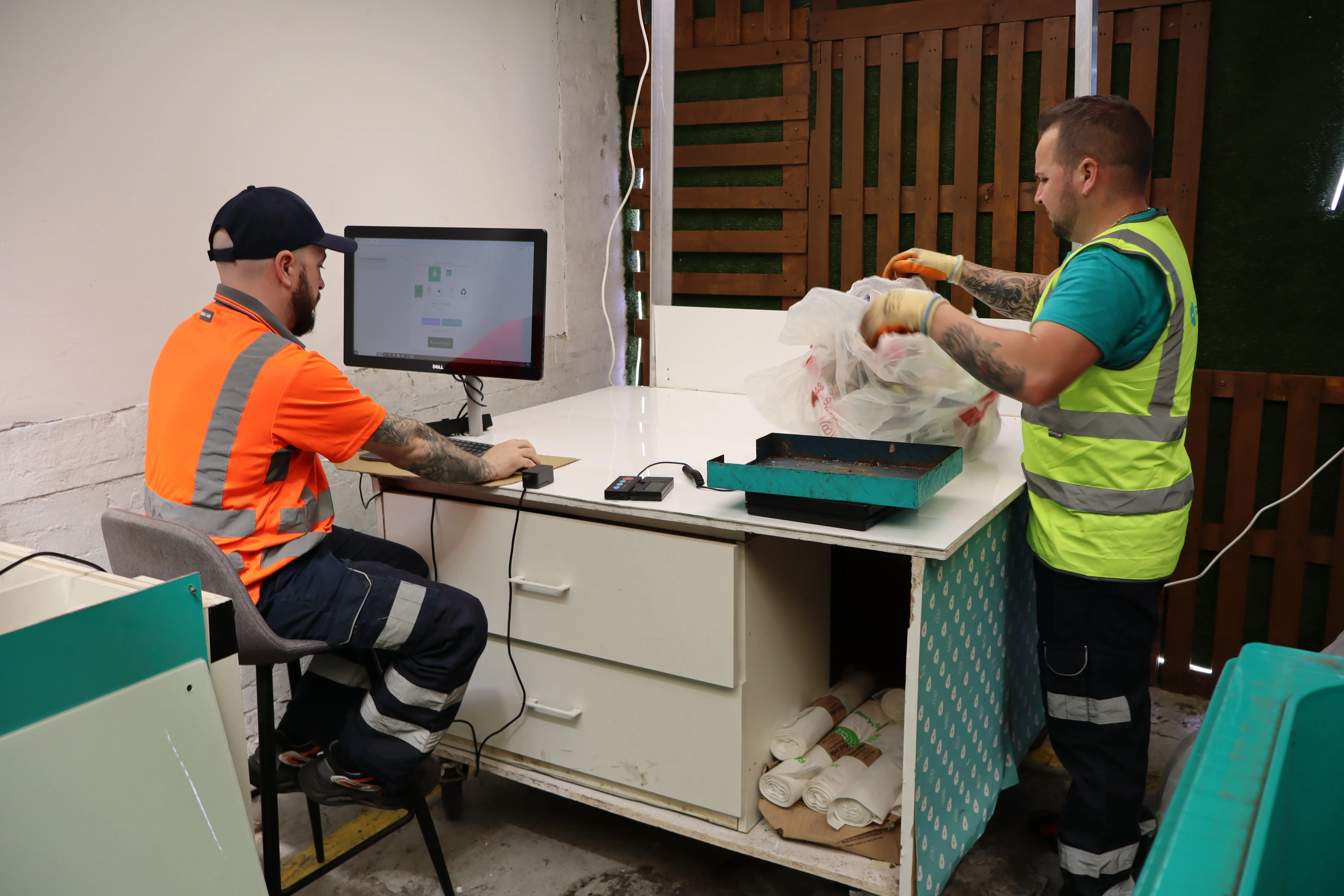
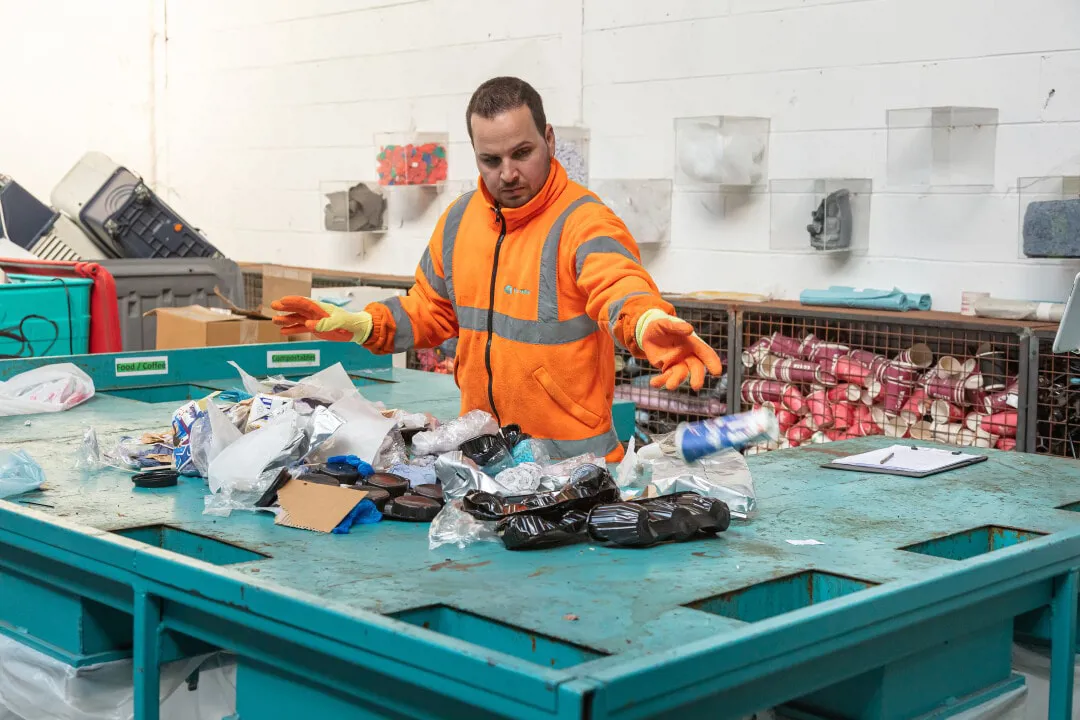
The first step to reducing waste is knowing what you’re throwing away. Our waste audits for businesses are there to gather the facts and insight you need to make smarter decisions.
We offer three levels of auditing:
- Basic audit – a quick review of your waste streams and key materials.
- Detailed audit – a full breakdown of waste by type, source, and volume.
- Comprehensive audit – site visits, sample analysis, and tailored recommendations.
Each audit identifies where waste happens and how to reduce it. You’ll see what can be reused, recycled, or removed altogether.
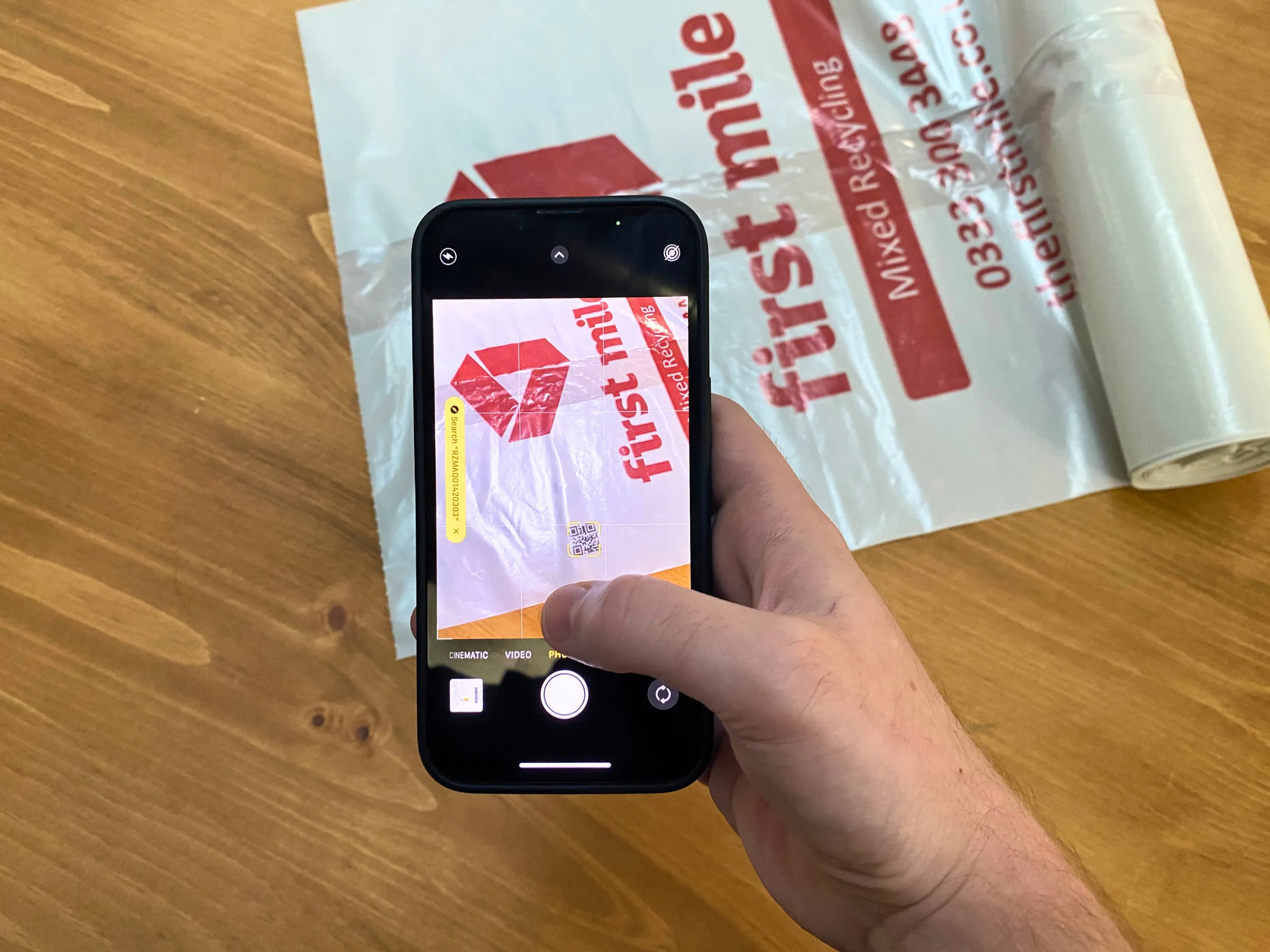
All findings feed directly into our Recycling Data Studio, which tracks your waste data insights and supports sustainability reporting over time.
Book a recycling and carbon reporting demo to see your data in action.
Step 2 – Reduction services
Once your waste has been audited, we put reduction into action. Our waste reduction services focus on removing waste at the source, not just managing what’s left.
Here’s how we help:
- Reusables
Replace single-use items with reusables that last. From coffee cups to office supplies, small swaps make a big difference. - Packaging recommendations
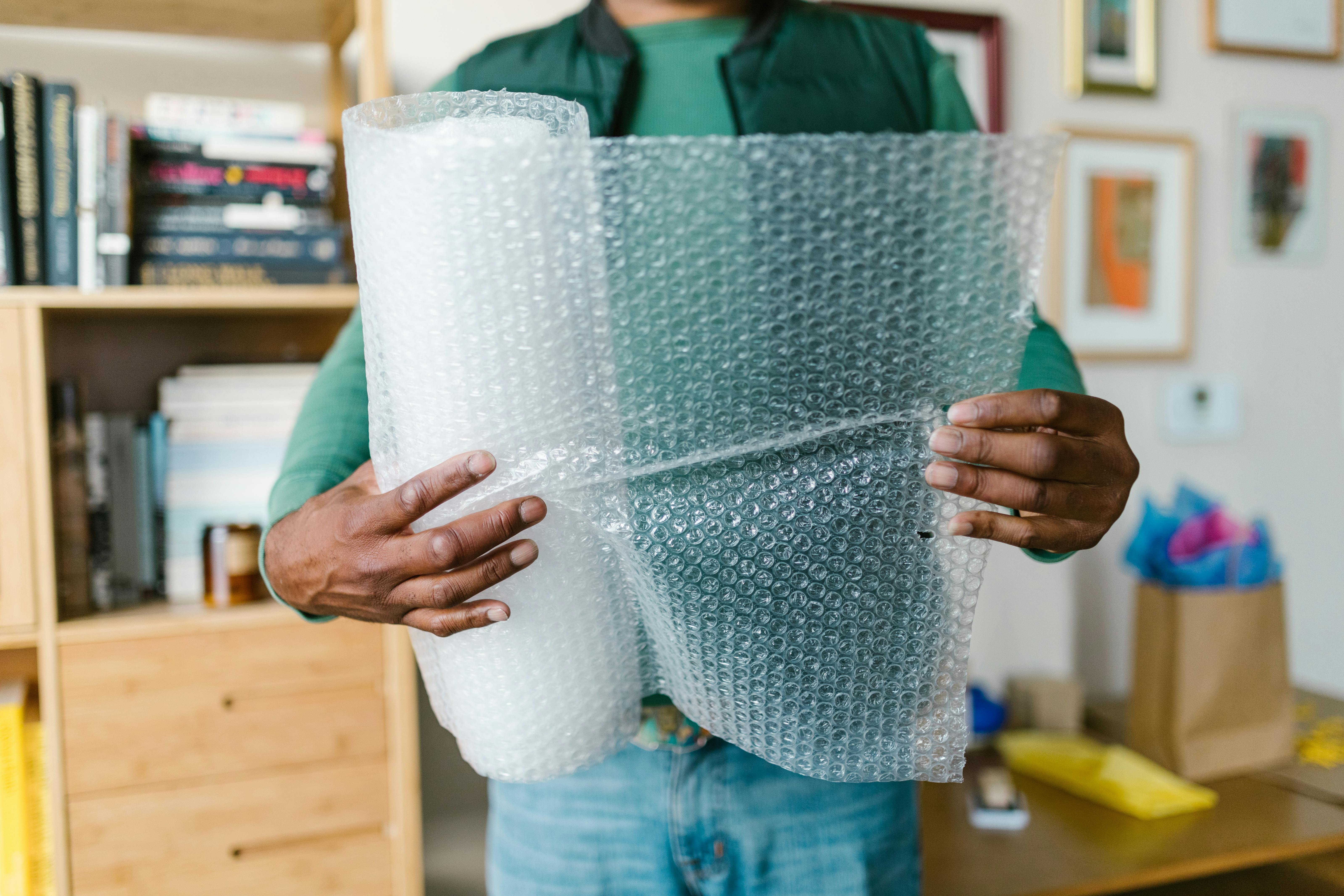
We help you choose sustainable packaging solutions that reduce waste and carbon. Simple changes to materials or suppliers can cut volumes fast. - Food waste redistribution
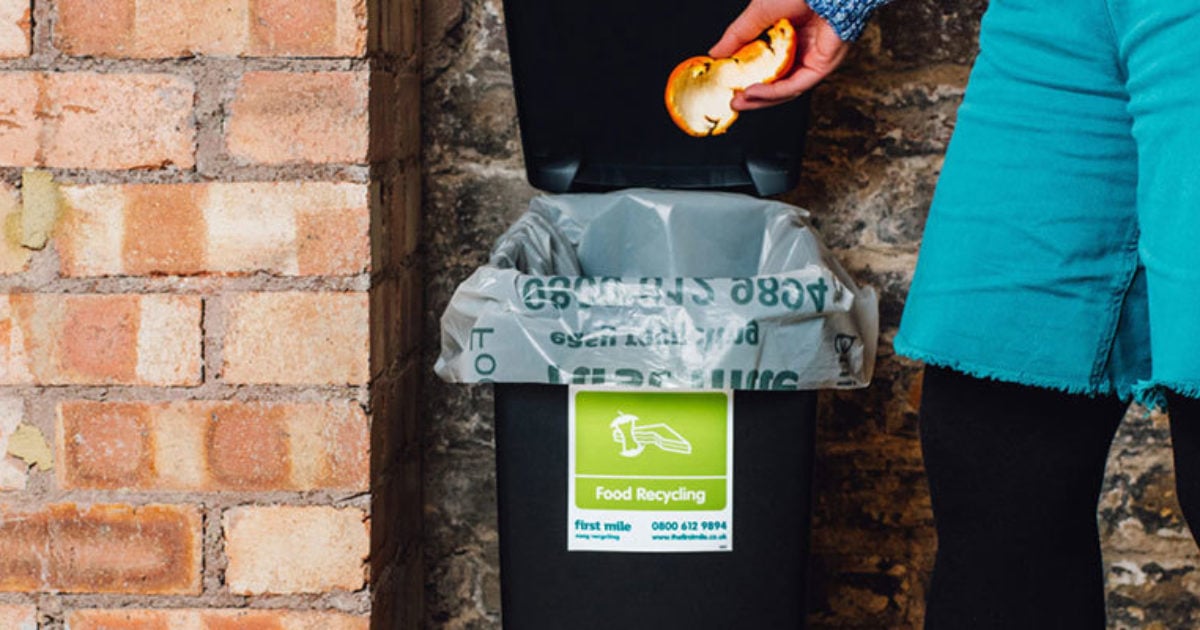
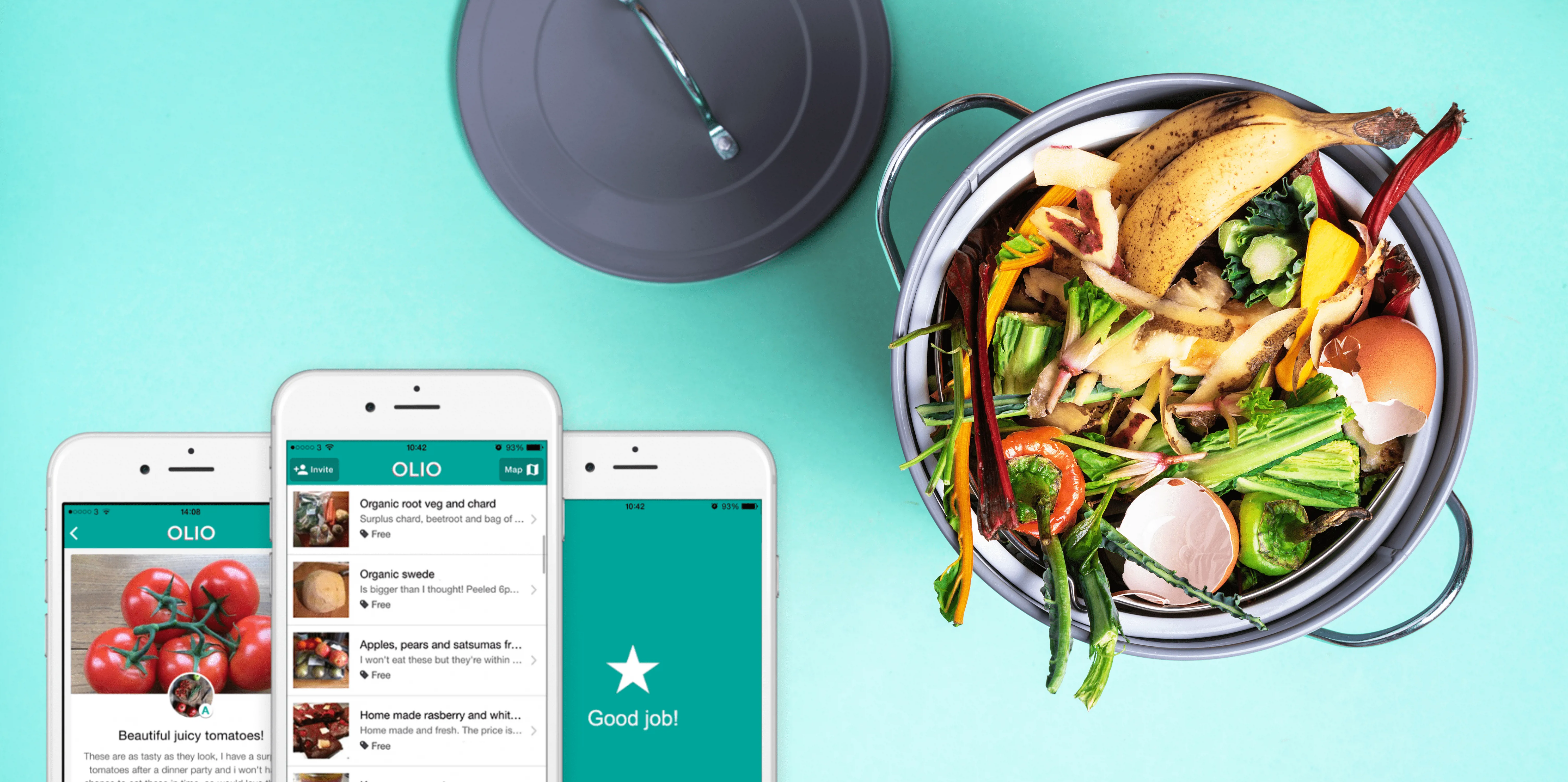
Turn surplus food into social good. We partner with redistribution schemes to donate what’s edible and divert the rest from landfill. - Reduction guides
Access practical tools and resources that make behavioural change simple and achievable for your team. - Electronic refurbishment
Keep tech in use for longer. Our electronic refurbishment service repairs and reuses equipment before recycling, cutting down on e-waste.
Learn more about WEEE recycling. - Waste measurement per head or unit
Track progress in real time. Our waste data tracking tools show how much waste each site, team, or department produces.
Together, these solutions create a measurable path to a zero waste future for your business.
Real change happens when you can see the results. Our clients achieve measurable waste reduction that improves both environmental and business performance.
With First Mile, you can:
- Cut waste volumes by up to 50% through smarter separation and reuse.
- Reduce carbon emissions and transport miles with local recycling routes.
- Improve recycling rates across multiple sites with clear data and reporting.
- Boost your reputation by showing transparent sustainability impact.
We help you track progress using clear dashboards and monthly reports. You’ll always see how much waste has been reduced, what materials have been recovered, and where further savings can be made.

Ready to start your waste reduction journey? With First Mile, it’s simple to begin.
Here’s how to get started:
- Book a waste audit to understand your current waste streams.
- Review your results with our experts and create a tailored action plan.
- Track your progress using our online reporting tools and regular reviews.
Our team makes everything easy, from data collection to ongoing support. You’ll have clear insights, practical solutions, and measurable outcomes from day one.
Partner with First Mile for a lower-waste future
Reducing waste is good for business and great for the planet. With First Mile, you get expert support, reliable data, and practical solutions that make a real difference.
Join the growing number of UK businesses cutting costs and carbon through smarter sustainable waste management.
Talk to us today to start your waste reduction journey.
Get in touch to learn more about First Mile's solutions and how we can help you business
What’s the difference between waste reduction and recycling?
Waste reduction focuses on preventing waste in the first place. It means using less, reusing more, and avoiding unnecessary materials. Recycling comes after reduction. It helps divert unavoidable waste from landfill. Both are important, but reduction delivers the biggest environmental impact.
How does a waste audit work?
A First Mile waste audit analyses your waste streams to see what you throw away, where it comes from, and how to cut it down. You’ll get clear data and simple actions to reduce waste and improve recycling rates.
What are the most effective ways to reduce waste in the workplace?
Start by reviewing packaging, switching to reusables, and setting up clear recycling stations. Tracking waste data and engaging your team with reduction goals are proven ways to make lasting change.
Can small businesses benefit from waste reduction too?
Yes. Even small changes, like better sorting or reusable packaging, can save money and resources. First Mile supports companies of all sizes with scalable waste reduction services that grow with your business.








Get in touch
We'd love to hear from you to discuss your recycling needs and provide a tailor-fit quote for your business.