




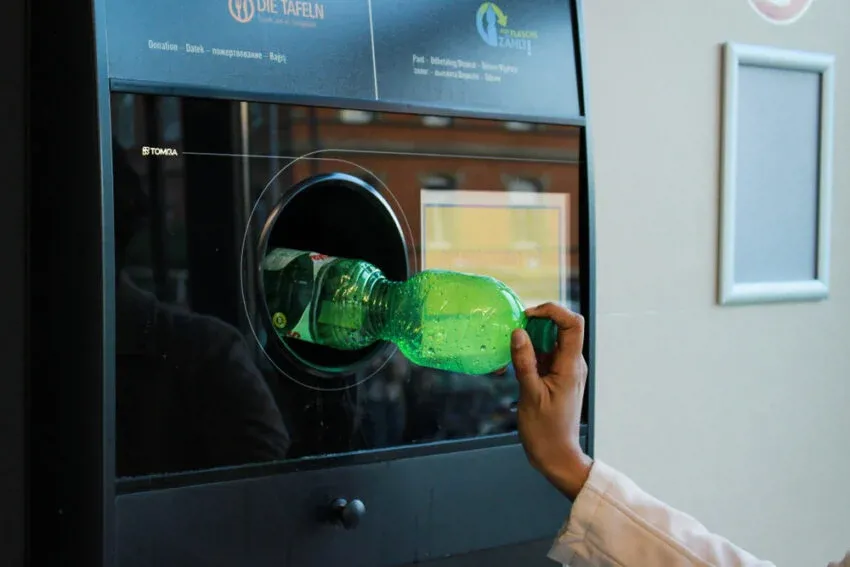
Every year in the UK, billions of bottles and cans are used once and thrown away. That’s set to change.
The Deposit Return Scheme is one of the biggest recycling reforms in decades, designed to make sure valuable materials stay in use instead of ending up as litter or landfill.
From October 2027, shoppers will pay a small deposit on drinks containers that they get back when they return them for recycling. It’s a simple idea expected to have powerful results. The scheme will help cut waste, reduce carbon emissions and build a stronger circular economy in the UK.
Read on for the UK deposit return scheme explained: how it works, why it matters and what it means for your business.
Why the UK is introducing a Deposit Return Scheme
Every year, around 30 billion single-use containers are sold in the UK. Too many still end up in bins, streets or landfill sites. Even though we recycle about 70 percent of plastic bottles and cans, that leaves billions wasted.
The government’s goal is to improve recycling rates of bottles and cans so that fewer containers are wasted and more are reused. By adding a small financial incentive, people are more likely to return their empties instead of throwing them away.
The DRS forms a key part of wider sustainability and recycling reforms including Extended Producer Responsibility and Simpler Recycling. All aim to support the vision of a circular economy in the UK, where every material has value and nothing is wasted.
It’s a step towards cleaner streets, lower carbon emissions and a culture that values materials, not waste.
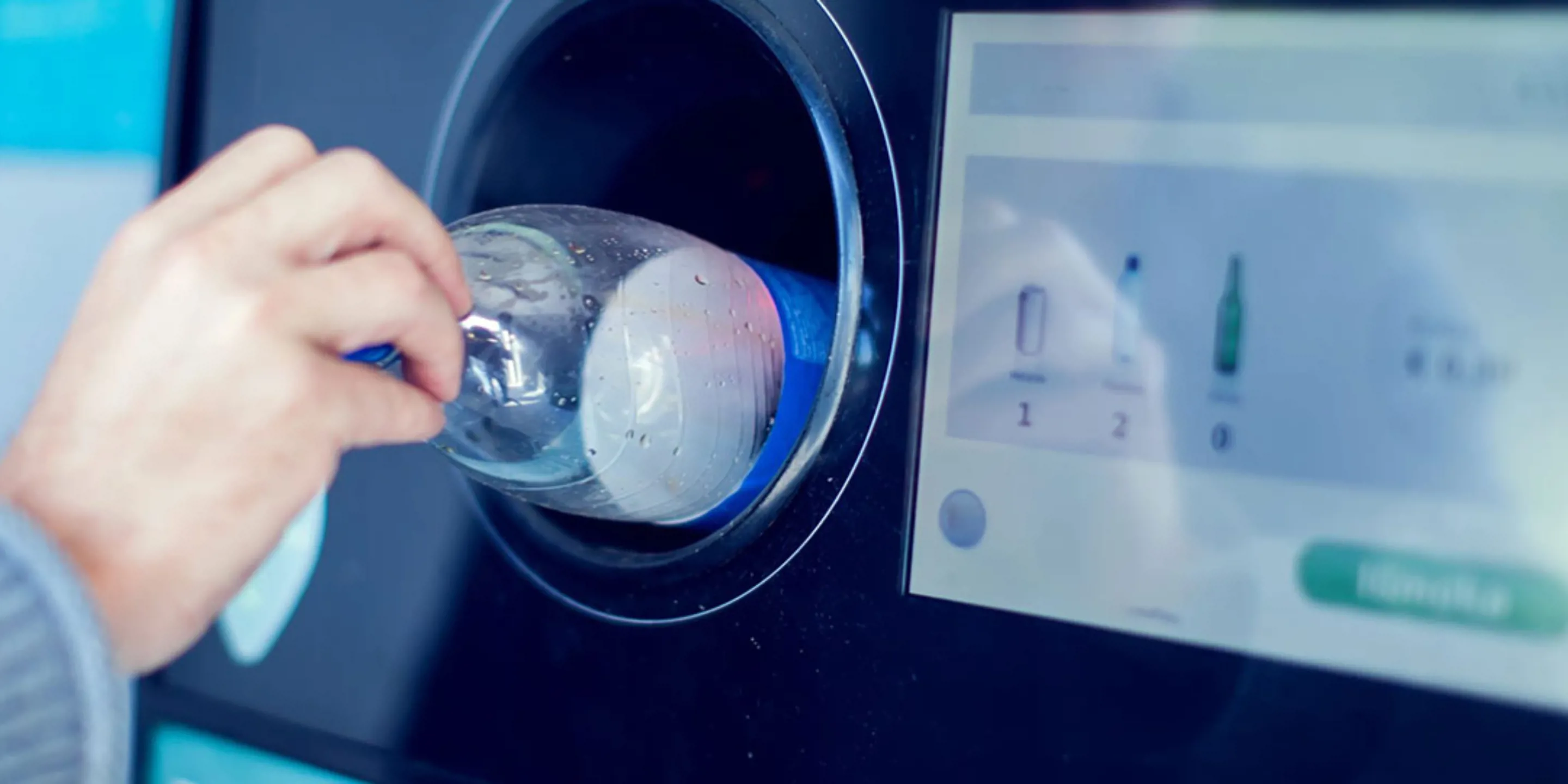
How will the Deposit Return Scheme work?
The DRS follows a simple deposit refund system:
- You buy a drink in a plastic bottle or aluminium can between 150 ml and 3 L.
- You pay a small deposit, likely around 20 pence, added to the price.
- When you finish, you return the empty container to a collection point.
- You get your deposit back.
Returns will be possible through reverse vending machines throughout the UK, which will be found in supermarkets, corner shops and other public spaces. Smaller stores may offer manual return points too.
A new not-for-profit Deposit Management Organisation will oversee the system, handling payments and recycling logistics. Wales also plans to include reusable glass in its version of the scheme, helping expand the benefits even further.
It’s a straightforward, incentive-driven approach that rewards people for doing the right thing.
To see how your business can get ready, explore our guide on Deposit Return Scheme 2027: How to prepare.
The environmental and social benefits of DRS
The Deposit Return Scheme is set to be one of the most effective tools for reducing litter in the UK and cutting waste in local communities.
Environmental benefits:
- Fewer bottles and cans littering streets, beaches and parks, helping to reduce litter across the country.
- Lower landfill volumes, cutting methane emissions and pollution.
- Cleaner materials collected separately, improving plastic bottle recycling quality and supporting closed-loop production.
- Energy and carbon savings from reusing materials instead of making new ones.
Social and economic benefits:
- Job creation in recycling, logistics and manufacturing.
- Local investment in collection infrastructure and technology.
Positive behaviour change, encouraging everyone to recycle more and waste less.
For businesses, it means joining a visible national effort that supports environmental goals and community pride.
Lessons from around the world
The UK isn’t the first country to adopt a DRS, and that’s a good thing. There’s plenty to learn from others.
- Germany introduced its scheme in 2003 and now achieves an incredible 98 percent return rate.
- Latvia has seen a sharp drop in litter within its first year of operation.
- The Netherlands rolled out its DRS in phases, showing the value of clear communication and reliable machines.
The lesson is simple. Accessibility and consistency matter. When people know where and how to return containers, and the system works smoothly, participation soars.
What does the DRS mean for UK businesses?
For UK businesses, the Deposit Return Scheme brings both challenges and opportunities.
Opportunities:
- Stronger sustainability credentials and improved brand reputation.
- More engaged customers who see you taking real action on recycling.
- Potential cost savings from better waste management.
Considerations:
- Setting up return points or working with partners for collection.
- Storing returned containers before collection.
- Updating signage and staff training to guide customers.
While there may be new logistics to plan, the environmental return on investment is clear. First Mile already helps businesses manage bottles, cans and packaging with simple closed-loop systems. We handle the recycling so you can focus on running your business.
Read more about how we support compliance and efficiency in business recycling laws.
DRS as part of the UK’s circular economy
The Deposit Return Scheme doesn’t stand alone. It works alongside other measures like Extended Producer Responsibility (EPR) and Simpler Recycling.
Together, these reforms aim to build a circular economy. One where materials are reused, recycled and kept out of landfill. Producers take more responsibility for packaging. Local authorities collect more consistent materials. Businesses and consumers share the same goal of reducing waste.
DRS makes the cycle visible to everyone. When you return a bottle and see it turned into another, it proves that circular systems work.
How First Mile supports circular recycling
At First Mile, we already make sustainable recycling easy for thousands of UK businesses. We collect bottles, cans, paper, flexible plastics and more, keeping materials in a closed-loop system.
Our national network means reliable collections and transparent reporting. You get the data you need to meet your business’s sustainability goals and prove compliance with new recycling reforms.
We make recycling effortless, so you can focus on your business.

Looking ahead: making the Deposit Return Scheme work for everyone
The Deposit Return Scheme will support government recycling targets and strengthen the circular economy by keeping bottles and cans in use for longer. It turns waste into a valuable resource, encourages sustainable habits and helps protect the planet for future generations.
For businesses, it’s a chance to lead by example and show customers that you care about more than profit.
The DRS is coming in 2027, and First Mile is here to help you prepare.
Together, we can make it work for your business and the planet.
Get in touch with First Mile today to start planning your recycling strategy.