



Every business in the UK now needs to think carefully about what happens to its leftover food. Since March 2025, it has been a legal requirement for all UK workplaces to separate food waste from general waste. This rule supports the Environment Act 2021 and England’s Simpler Recycling framework.
Food waste recycling for businesses is now about more than compliance. It is an opportunity to reduce disposal costs, cut carbon emissions and build a stronger sustainability reputation. With First Mile, compliance is simple. We provide reliable food waste recycling that sends nothing to landfill and turns waste into renewable energy.
Read on to see what counts as food waste, how the 2025 rules work and how First Mile can help your business stay compliant and save money.
What counts as food waste (and why recycling it matters)
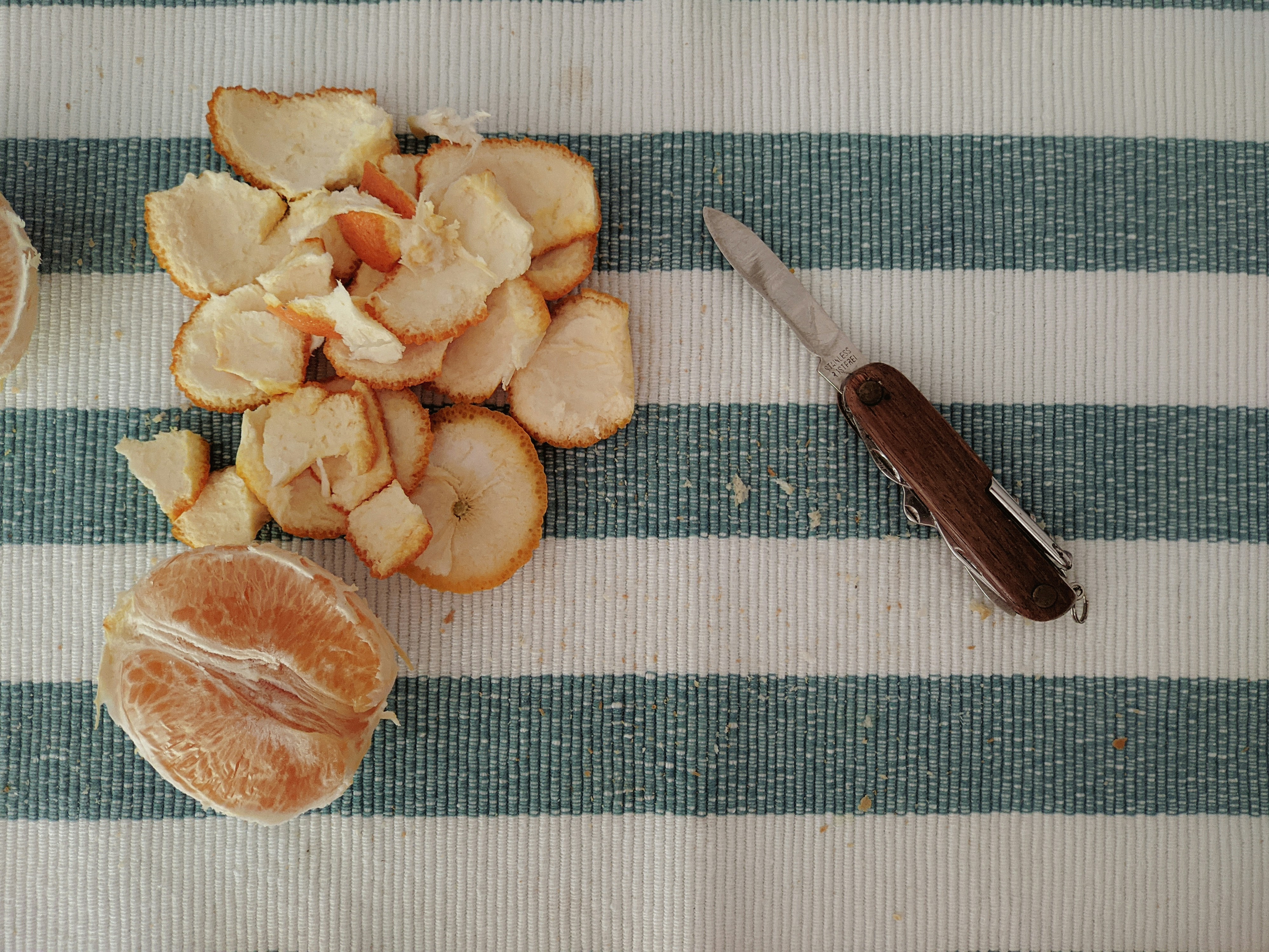
Food waste is any food that is no longer fit for use after preparation, cooking or consumption. It includes:
- Fruit and vegetable peelings
- Meat and bones
- Dairy products
- Bread, pastries and other baked goods
- Expired stock and spoiled produce
- Coffee grounds and tea bags
- Plate scraps from kitchens or canteens
For most workplaces, food waste makes up 30 to 50 percent of general waste by weight. When it ends up in landfill, it breaks down without oxygen and produces methane, a greenhouse gas around 28 to 30 times more powerful than carbon dioxide.
Recycling food waste through anaerobic digestion solves this problem. The process turns waste into biogas, which is used to generate renewable electricity and heat, and digestate, a natural fertiliser for UK farms.
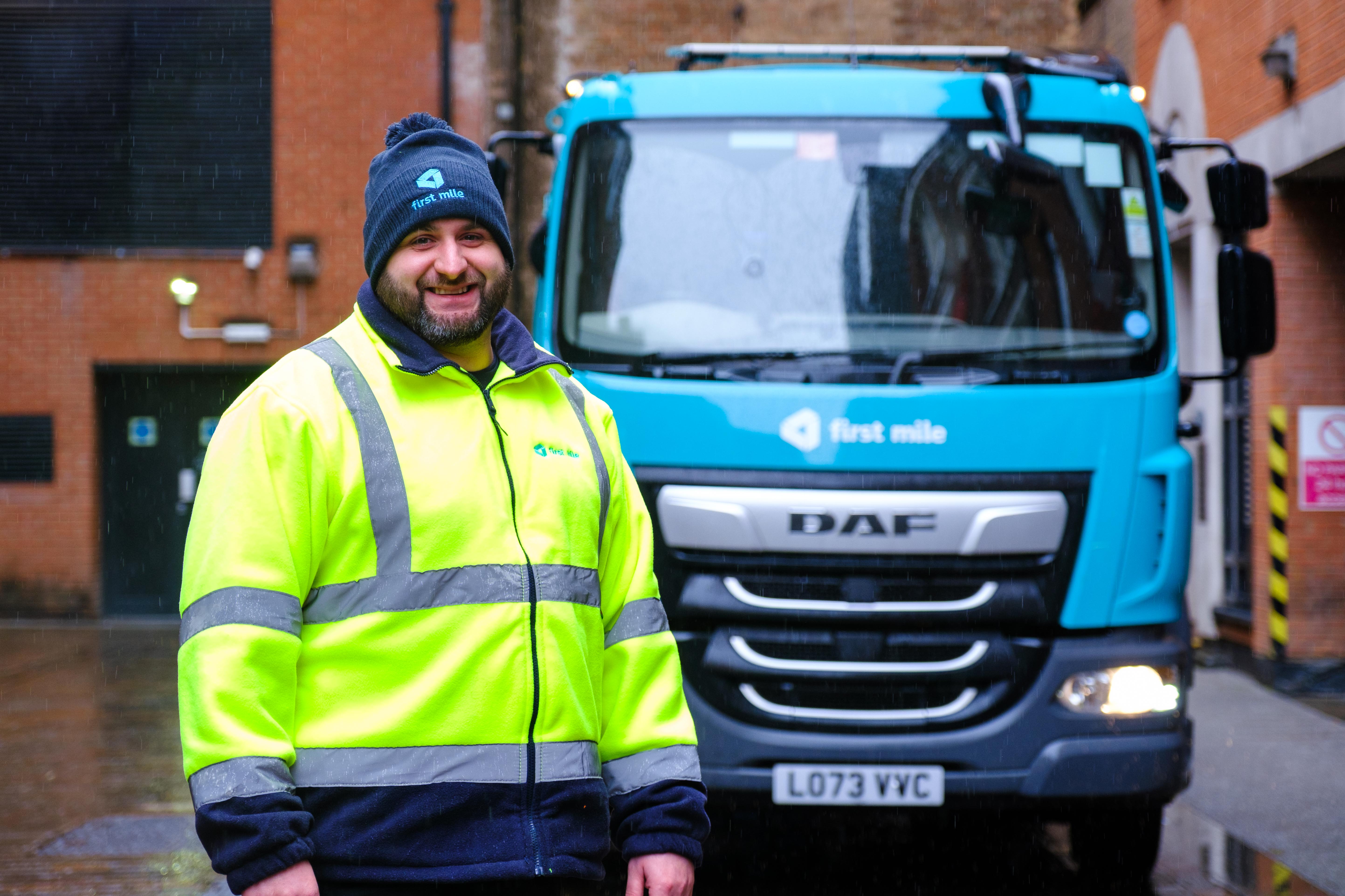
Through First Mile’s commercial food waste collection, nothing goes to landfill. Instead, food waste is recycled back into useful resources that support a circular economy in the UK.
What are the 2025 food waste separation rules?
The 2025 food waste separation rules came into effect across the UK under the Environment Act 2021 and the Simpler Recycling reforms. All businesses must:
- Separate food waste from general waste.
- Have food waste collected by a licensed waste carrier.
- Ensure it is recycled through anaerobic digestion or composting, not sent to landfill or incineration.
These rules apply across England, Wales and Scotland.
Wales led the way with the Workplace Recycling Regulations 2024, which require businesses to separate materials, including food, for recycling. Scotland has had similar rules since 2014 for food-producing sites.
England followed in March 2025, making separation mandatory for all businesses, regardless of size or sector. Northern Ireland is expected to align by 2026.
Failing to comply can result in enforcement notices, fines and potential damage to your brand’s sustainability reputation. Improper disposal may also increase your waste costs.
Compliance is easier than it sounds. First Mile provides food waste bins, collections and documentation to help businesses meet the legal standard with minimal effort.
How First Mile makes food waste recycling simple
First Mile helps businesses stay compliant with food waste laws through a clear, reliable service.
-
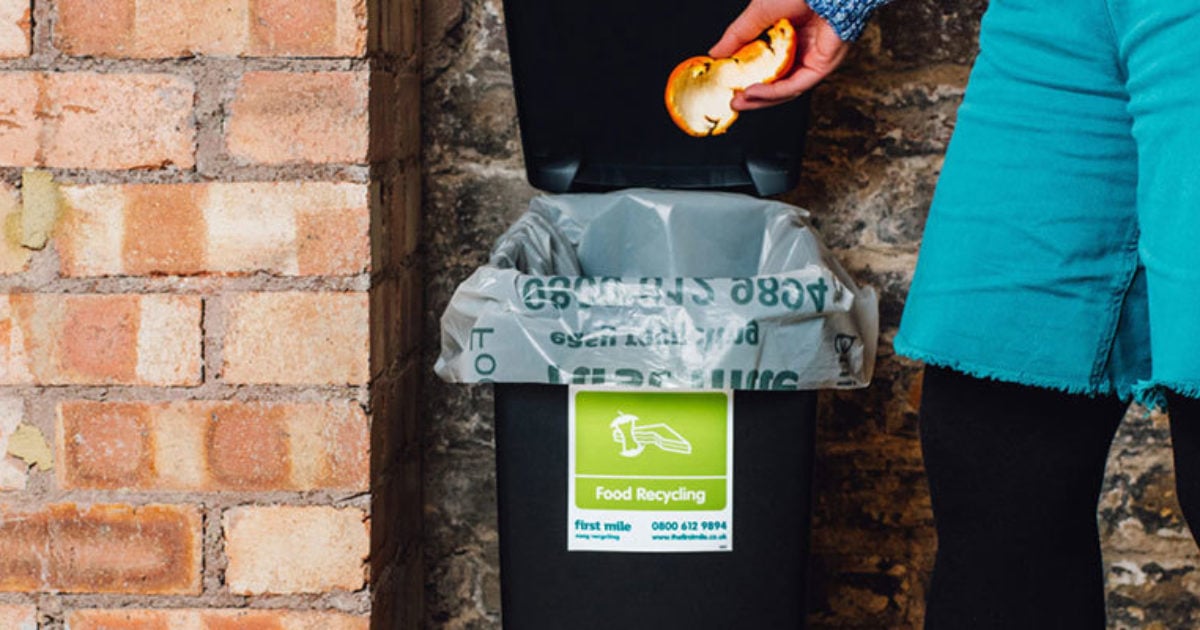
Food waste bins for business
We supply clean, sealed containers in a range of sizes from 25L caddies to 240L wheelie bins. They are leakproof, pest-resistant and easy to use.
-
Collection service
We provide scheduled collections that match your waste volume and trading hours. Collections run seven days a week in many areas.
-
Transport to anaerobic digestion
All collected food waste is taken to UK anaerobic digestion plants, where it is turned into biogas and fertiliser. Each ten tonnes of food waste recycled can generate up to 1 MWh of renewable energy.
-
Reporting and compliance
We provide recycling reports so you can demonstrate legal compliance and support sustainability and ESG reporting.
-
Add-on services
You can add cardboard, glass, mixed recycling and general waste collections under one contract for convenience and cost efficiency.
Zero-to-landfill means exactly that. None of your food waste ends up buried or burned. Our service also includes staff posters and training materials to help reduce contamination and improve sorting accuracy.
Learn how we can help your business recycle food waste more sustainably.
Cost, compliance and sustainability benefits
Recycling food waste has benefits that go beyond simply meeting regulations.
Cost savings
Food waste is heavy. Separating it from general waste can reduce your weight-based disposal charges and cut your overall waste bill.
Compliance security
With First Mile, your business receives full documentation to show you meet legal obligations under the 2025 rules.
Operational improvements
Cleaner bins, fewer odours and reduced contamination across recycling streams.
Sustainability results
Diverting food waste from landfill cuts greenhouse gas emissions and supports your company’s sustainability and ESG goals.
Reputation and engagement
Visible action on waste shows customers, investors and employees that your business takes the environment seriously.
Seasonal spikes: tackling Christmas and year-end food waste
The festive period creates one of the biggest challenges for hospitality food waste management and retail operations. During December, food waste levels can rise by up to 30 percent due to events, buffets and surplus stock.
- Restaurants and caterers generate more leftover food from parties and menus.
- Retailers deal with unsold or date-limited seasonal products.
- Offices produce extra food waste from parties and catered meetings.
First Mile provides flexible collections and temporary bin uplifts during peak trading periods to keep everything running smoothly.
By planning ahead for Christmas food waste, businesses can stay compliant, prevent contamination and save money on emergency collections.
Compliance continues to apply year-round, so every workplace should review its waste contract for upcoming stock clearances and menu changes.

Looking ahead: turning compliance into opportunity
Food waste recycling is now both a legal requirement and a business opportunity. It helps you stay compliant with the 2025 regulations, lower costs and build a cleaner, greener operation.
With First Mile, compliance is simple. We provide reliable food waste bins for business, regular collections and zero-to-landfill recycling that turns waste into renewable energy.
Check your compliance today and join thousands of UK businesses recycling food waste with First Mile — simple, sustainable and fully compliant.
FAQs
What are the food waste recycling rules for UK businesses in 2025?
All businesses in England, Wales and Scotland must now separate food waste for collection by a licensed carrier. It must be recycled through anaerobic digestion or composting, not landfilled or incinerated.
What happens if my business doesn’t separate food waste?
You may face enforcement action, fines and higher disposal costs. Non-compliance can also damage sustainability ratings and reputation.
What happens to the food waste once it’s collected?
It is transported to anaerobic digestion facilities, where it becomes renewable biogas and fertiliser for UK agriculture.
How can hospitality businesses manage food waste efficiently?
Use labelled bins, train staff on separation and arrange frequent collections with First Mile to prevent odours and overflow.
Do offices need to separate food waste too?
Yes. The 2025 regulations apply to all workplaces, including offices with kitchens or canteens. Many now use our office food waste recycling service.
What size food waste bins are available for businesses?
First Mile provides a full range of sealable containers from 25L kitchen caddies to 240L wheelie bins for larger sites.