





Digital waste tracking will be mandatory in England and Wales in October 2026 (January 2027 for Scotland and Northern Ireland). If you run a business that produces or manages waste, you now need to record every movement of it digitally.
For many businesses, this feels new and a little technical. You might be wondering what exactly has changed, what you need to do, and whether you’re already compliant. The good news is that you’re not late, and it’s easier than it sounds.
The new system replaces paper records with digital so you can track waste more clearly from start to finish. This article explains what digital waste tracking is, why it matters, how to stay compliant, and how to get started confidently with support from First Mile.
What is digital waste tracking?
Digital waste tracking is the UK’s new mandatory system for recording how waste moves from where it’s created to where it ends up.
Here’s how it works:
- Each waste movement is given a unique digital ID.
- This creates a live timeline showing where waste goes and who’s responsible at each stage.
- Records are shared securely between all parties involved.
The system improves:
- Traceability — every movement is recorded.
- Accountability — everyone can see who handled the waste.
- Transparency — nothing gets lost in paperwork.
Most business waste in the UK is included. A few low-risk materials and household recycling centre waste are currently excluded, but this may change in future updates.
When did digital waste tracking become mandatory in the UK?
Digital waste tracking is mandatory in October 2026 following a voluntary trial in April the same year.
Key dates to know:
- April 2026: businesses could opt in early to test the system.
- October 2026: digital waste tracking is a legal requirement for England and Wales.
- January 2027: digital waste tracking is a legal requirement for Scotland and Northern Ireland
- Post-2026: paper waste transfer notes are no longer accepted.
The waste tracking law introduced in October 2026 now requires all businesses that produce, handle or manage waste to record and report every movement digitally through the new platform.
This update forms part of wider environmental changes covered in business recycling laws.
Who introduced digital waste tracking?
The policy comes from the UK government’s 2018 Resources and Waste Strategy and is delivered by the Department for Environment, Food and Rural Affairs (DEFRA).
It’s supported by:
- Environmental regulators across England, Scotland, Wales and Northern Ireland.
- Local authorities and licensed waste carriers.
- Businesses committed to better waste accountability.
Because it has cross-party backing, this is a long-term modernisation of waste regulation, not a pilot. Digital waste tracking is part of the UK’s move toward data-led environmental compliance.
Why does digital waste tracking matter for businesses?
Digital waste tracking sits at the heart of waste tracking compliance. Before the change, waste management was often slowed by:
- Paper-heavy processes.
- Disconnected records between sites.
- Limited visibility once waste left a premises.
- Opportunities for waste crime or illegal dumping.
The Environment Agency estimates that around 20% of waste in England is criminally managed each year.
Digital waste tracking reduces those risks through:
- One consistent national system for all records.
- Real-time traceability of waste from origin to destination.
- Harder-to-falsify data that improves confidence and audits.
Business benefits include:
- Easier waste compliance and fewer manual steps.
- Reliable information for ESG and sustainability reporting.
- Lower risk of fines or enforcement action.
Better data supports stronger sustainability performance, as explored in the benefits of recycling for a business.

How digital waste tracking affects your day-to-day operations
Once your business is registered, a few simple routines will keep you compliant:
- Record every waste movement digitally through the Waste Data Service.
- Make sure paper notes are no longer used for official records.
- Log in to confirm collections and deliveries.
- Enter accurate waste codes, materials and handler details.
- Approve transfers within the required timeframe.
If you used to rely on spreadsheets or manual forms, update those processes. With short training, digital recording becomes quick and familiar.
Practical tools like our business waste and recycling services make daily compliance simple.
What types of waste need to be tracked?
Most business waste is covered by the new rules, including:
- General commercial waste.
- Mixed recycling and single-stream recycling.
- Food waste.
- Hazardous waste such as oils, solvents and chemicals.
- Waste Electrical and Electronic Equipment (WEEE).
- Construction and demolition waste.
Some low-risk materials and household recycling centre waste are excluded for now, though this could change later.
If you handle any of these types, you must record them digitally. You can explore practical solutions for general waste, mixed recycling and food recycling through First Mile.
How First Mile helps businesses stay compliant
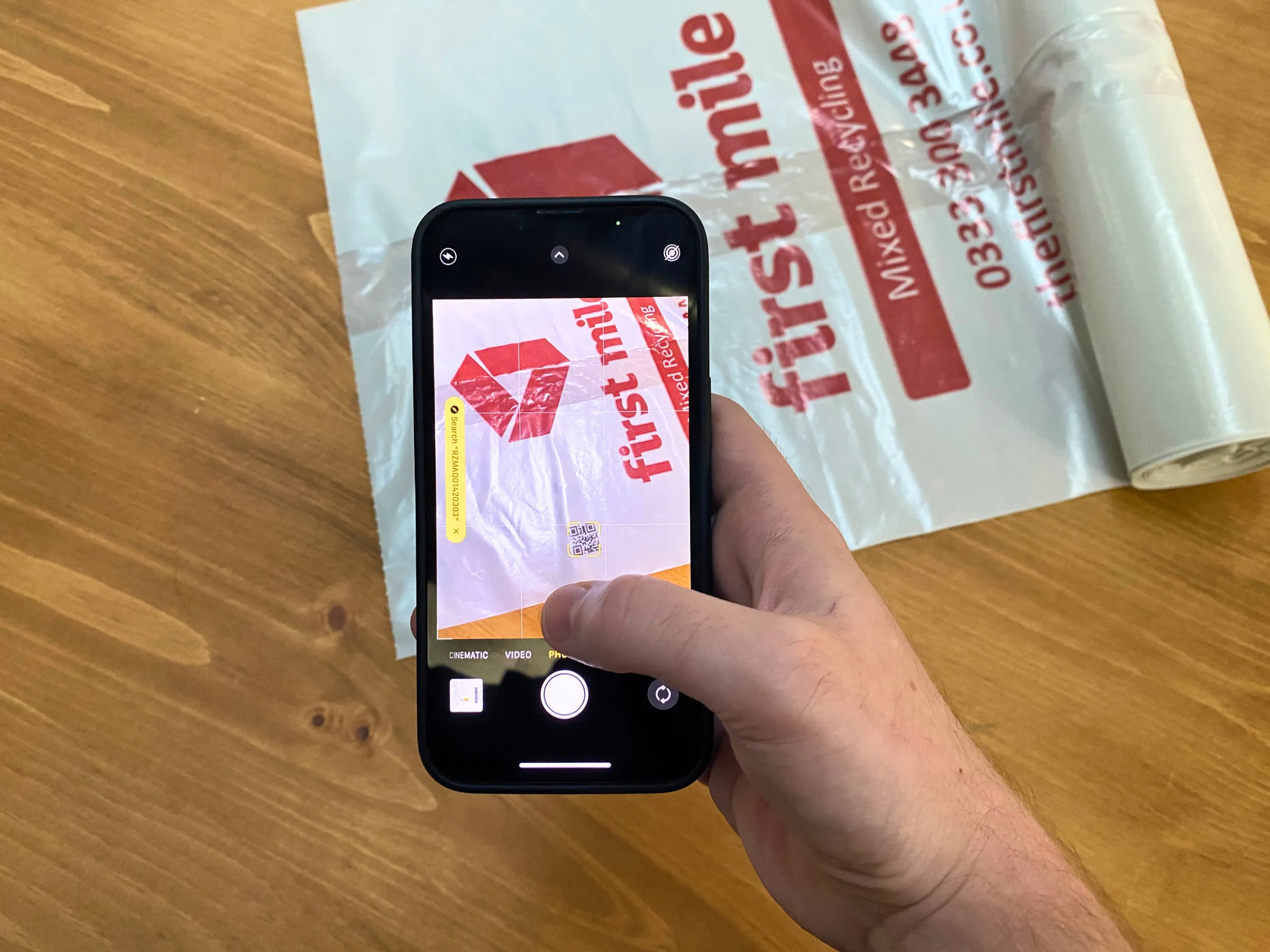
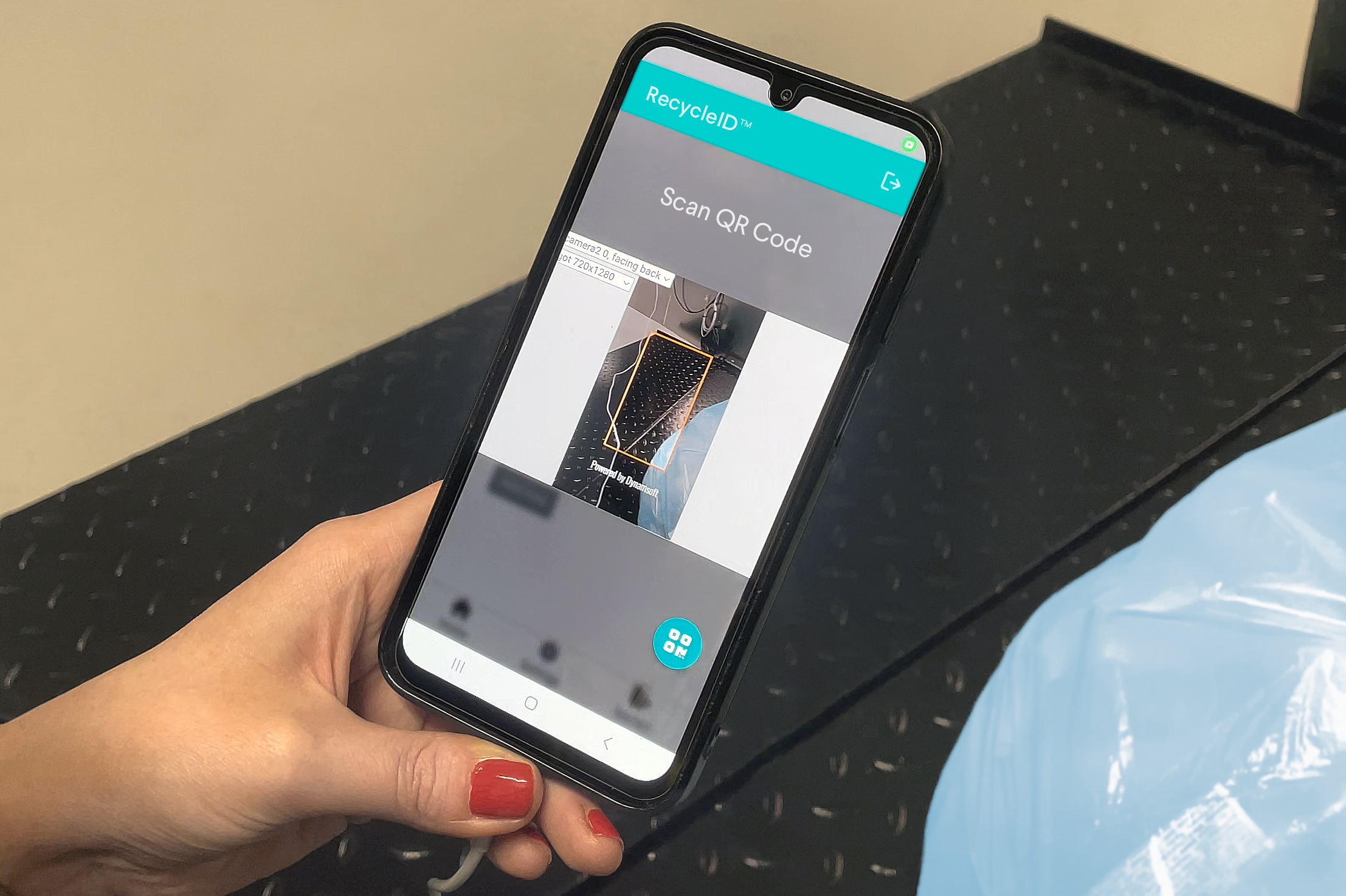
First Mile removes the complexity of compliance through RecycleID, our digital tool that links your waste collections directly to the DEFRA Waste Data Service.
With RecycleID you get:
- Automatic creation of compliant digital waste transfer notes.
- Live tracking of every waste movement.
- Alerts for missing or mismatched records.
- One central account for all sites and waste types.
Benefits for your business:
- Less admin and stronger confidence in compliance.
- Full visibility across operations.
- Support from waste experts whenever you need it.
You remain legally responsible, but First Mile makes it simple. With RecycleID, you can manage collections, digital records and business waste reporting in one place.
Common digital waste tracking mistakes to avoid
Even small errors can create problems during inspections. Watch out for:
- Forgetting to confirm receipt after collection.
- Entering incorrect waste codes or categories.
- Not updating records when handlers or sites change.
- Limiting system access to too few staff.
These mistakes are easy to prevent by:
- Reviewing records weekly.
- Training staff on correct waste codes.
- Working with a provider that monitors your data automatically.
First Mile’s digital tools highlight issues early so they can be fixed before audits.
What happens if your business doesn’t comply?
Digital waste tracking is now law. If you ignore it, regulators can:
- Issue fines or enforcement notices.
- Carry out audits or investigations.
- Increase scrutiny on your business.
- Suspend or review licences for waste carriers.
The good news: most issues are quick to fix once spotted. Taking action early, with help from a trusted waste partner, keeps your operations smooth and compliant.
Where to sign up for digital waste tracking
Register through the Waste Data Service, the government’s online platform. There’s no software to download and it works on any device.
To get started:
- Create an account on the Waste Data Service site.
- Pay the £26 annual registration fee.
- Set up your business and site profiles.
- Create a digital record for each waste movement.
- Assign a unique ID to each transfer.
- Confirm collection and receipt within two working days.
You can log movements individually or upload them in bulk. First Mile can support both setup and ongoing management as part of our online waste services.
What businesses should do now
To stay compliant, take these steps:
- Register with the Waste Data Service.
- Add your business and site details.
- Map all waste flows.
- Replace paper systems with digital records.
- Train your staff on waste reporting.
- Get expert help from your waste partner if needed.
These steps cover waste compliance for businesses of every size.. Act now to avoid penalties later and make compliance part of your regular routine.
Start your digital waste tracking journey
Digital waste tracking is now part of business life in the UK. It’s designed to make compliance clearer, not harder. Early action saves time, reduces risk and builds confidence in your environmental performance.
If you’re wondering how to track business waste digitally, First Mile makes it easy. For a simpler route to compliance, get in touch with First Mile to see how RecycleID can handle digital waste tracking for you.
What is digital waste tracking in the UK?
Digital waste tracking is the national system for recording how business waste moves across the UK. Each waste transfer is logged digitally, replacing paper records and improving transparency and accountability.
When did digital waste tracking become mandatory?
It will be mandatory in October 2026 for England and Wales (January 2027 for Scotland and Northern Ireland) after a voluntary period in April 2026. Most UK businesses must now record waste movements using the government’s Waste Data Service.
How do I register for the waste tracking portal?
You register through the DEFRA Waste Data Service. It’s web-based, costs £26 per year and lets you create digital records, assign unique IDs and confirm collections and receipts.
What’s the difference between the Waste Data Service and RecycleID?
The Waste Data Service is the government’s official system. RecycleID by First Mile connects directly to it, automating records and reducing admin while keeping your business compliant.