



It’s official - the results are in for the 2025 Recycling Standards!
As part of our commitment to sustainability, each January we reward our customers with a Recycling Standard certificate to celebrate their recycling efforts for the previous year. It shows, clearly and simply, how the business handled its waste last year in partnership with First Mile, and is based on what was actually collected, recycled and kept out of landfill.
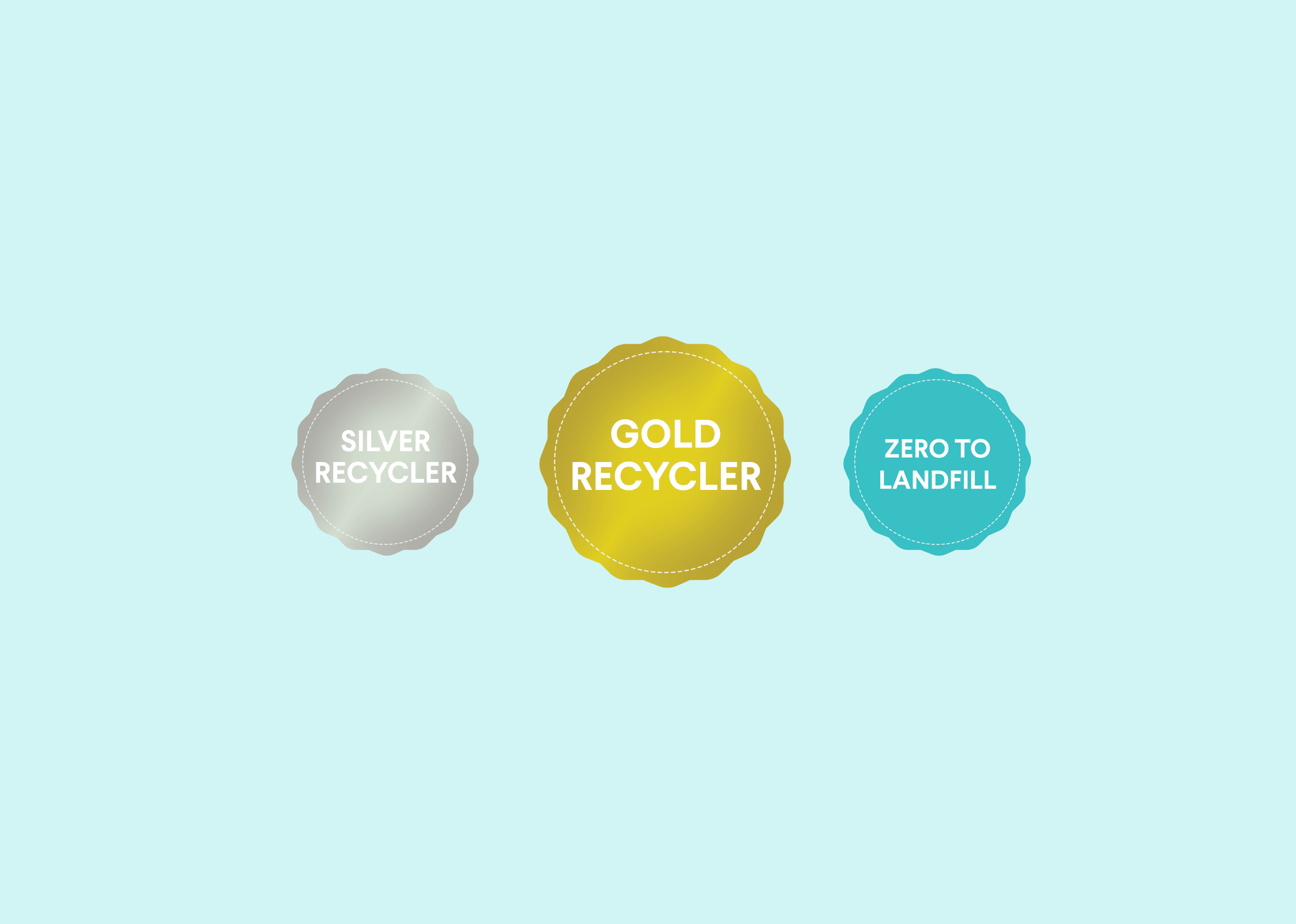
This year, the Recycling Standard goes a little further. It certifies customers as an Accredited Gold, Silver or Zero to Landfill business. Not a promise. Not an estimate. An accreditation backed by real data.
What the Recycling Standard shows
The Recycling Standard reflects how businesses manage waste across the year. It looks at what’s collected, how materials are separated and how much is kept out of landfill.
This year, there’s a stronger focus on accreditation. Each certificate confirms a business as one of the following.
- Accredited Gold recycler
- Accredited Silver recycler
- Accredited Zero to Landfill
Each level is backed by verified collection data, making the accreditation easy to understand, easy to explain and easy to share.
Why accreditation matters
Accreditation adds weight to recycling efforts.
Being accredited helps demonstrate sustainability progress clearly, whether that’s for internal reporting, customer conversations or wider communications. It gives businesses something solid to point to, supported by consistent data.
It also puts businesses in a stronger position for the changes ahead. Clear data, consistent performance and accredited standards will only matter more as recycling rules evolve.
What we achieved together in 2025
The 2025 Recycling Standard reflects the combined effort of First Mile customers across the UK.
Together, they achieved:
- 98,000 tonnes of waste collected
- 133,238 tonnes of CO₂ emissions saved
- The equivalent of 135,130 return flights from London to New York
We couldn’t be prouder of what our customers have achieved, and the numbers serve to show the impact businesses can make when recycling is a key part of everyday operations.
Food waste and energy recovery: a standout year
Food waste was one of the biggest areas of progress in 2025.
More customers separated food waste properly, keeping it out of general waste and sending it for treatment that creates real value.
This year, our customers helped collect:
- 5,200 tonnes of food waste
- This represents a 79% increase compared to 2024
This increase shows a real shift in how businesses manage unavoidable food waste, with better separation leading to more sustainable treatment.
Lower emissions through smarter collections
Improvements weren’t just about what was collected, but how.
In 2025, smarter collections and operational changes helped reduce emissions across the network, including:
- 2,263 bike collections
- 104,417 litres of fuel saved through smarter compaction
These improvements reduce vehicle movements, cut carbon emissions and keep collections efficient — all part of delivering practical, reliable zero-to-landfill waste solutions.
Celebrating our Gold recyclers
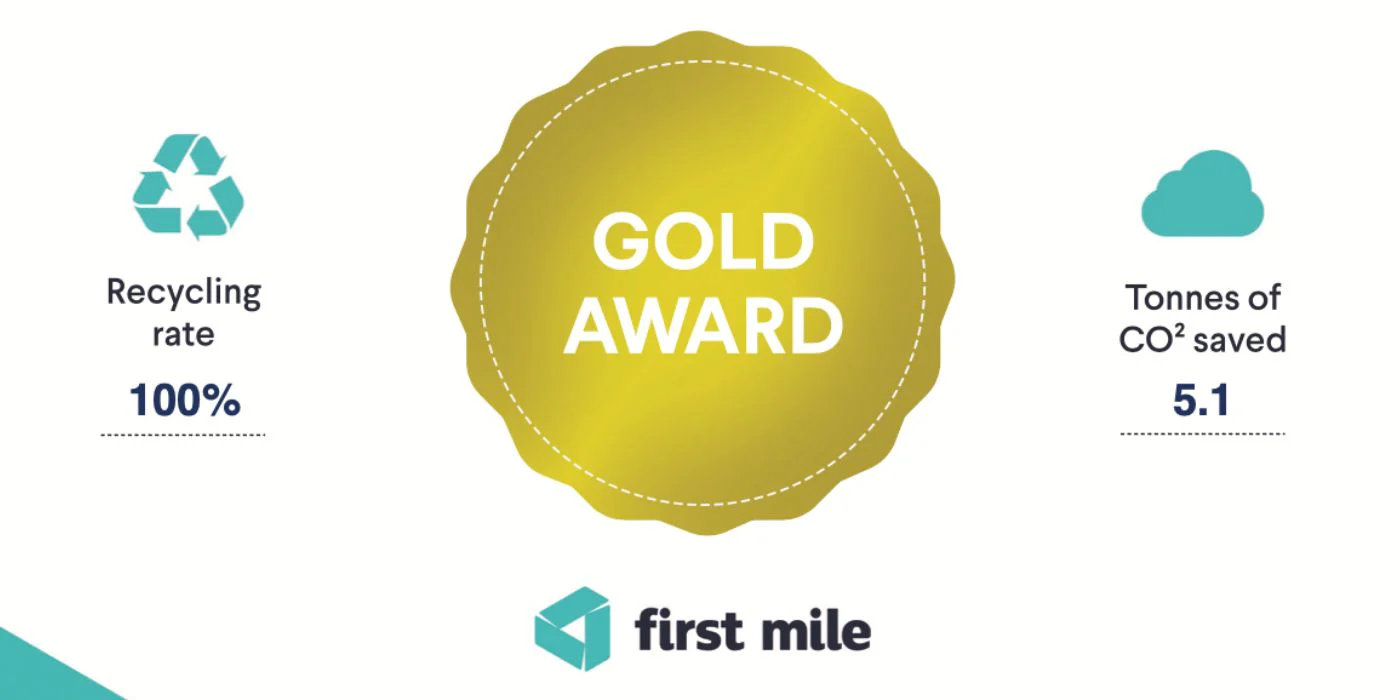
Gold certification recognises customers who consistently recycle at the highest standard.
These businesses have strong systems in place and teams who get recycling right as part of day‑to‑day operations. Gold status isn’t about a single good month. It reflects steady performance, year after year.
This year, we want to recognise three standout Gold recyclers and the impact they delivered.
Royal Ballet & Opera
Saved 405 tonnes of CO₂ and diverted 180 tonnes of waste from landfill. A strong example of how complex venues can still run clear, effective recycling systems.
Curzon Cinemas
Saved 158 tonnes of CO₂ and diverted 47 tonnes from landfill across their sites. Consistent separation and simple processes have made a real difference.
Rare Restaurants
Saved 99 tonnes of CO₂ and diverted 60 tonnes from landfill. Their results show what’s possible when recycling is built into busy hospitality environments.
Together, these results help set the benchmark and show what’s possible with the right setup and support.
How you can work towards Gold
Gold accreditation is achievable for any business. The biggest improvements often come from getting the basics right:
- Clear and simple bin signage
- The right bins in the right places
- Easy guidance for staff
- Regular reviews of your recycling rates and data
If you want to move closer to Gold, our team is here to help you take those steps. Plus, stay tuned to your inbox as we’ll be sending out a guide on how to level up your recycling in 2026.
Thank you and looking ahead
Thank you to all First Mile customers for the role they played in these results.
The actions taken in 2025 helped raise the standard for commercial recycling. Looking ahead, Digital Waste Tracking comes into effect in 2026, alongside wider changes under Simpler Recycling.
Having accredited recycling standards in place now puts businesses in a strong position for what’s next. First Mile is proud to support that progress and looks forward to continuing the journey with you through the rest of 2026 and beyond.