





Since 31 March 2025, thousands of businesses in England have had new legal duties around how they sort their waste. For a lot of teams, it’s not immediately clear what’s changed, what applies to them, or how much they really need to do.
This guide is here to make things simpler. It explains what Simpler Recycling means for your business, what changed in 2025, and what you need to do now to stay compliant. We’ll also cover what’s flexible, what often gets misunderstood, and how to put a system in place that works day to day.
What is Simpler Recycling for businesses?
Simpler Recycling is a government initiative designed to make recycling clearer and more consistent across England.
The aim is straightforward. Businesses should be able to recycle the same core materials wherever they are, without navigating different local rules or mixed messages.
Before these changes, workplace recycling varied widely depending on location and waste provider. That created confusion and meant a lot of recyclable material still ended up in general waste or landfill.
Under Simpler Recycling, most workplaces now have a legal duty to separate key types of waste before collection. The focus is on household-like waste, meaning waste that’s similar to what people produce at home. This includes packaging, paper, bottles and food waste.
If you’re searching for simpler recycling for business, this is the key takeaway. You need a simple system that keeps the main streams separate, and you need to make it easy for people to use it properly.
What changed in March 2025 (and what’s coming next)?
Since 31 March 2025, most businesses in England are legally required to separate their waste into specific streams for recycling and disposal. This is part of the wider business recycling regulations 2025 rollout.
The rules apply to a wide range of organisations, including businesses, charities and public sector bodies. If you’re in scope, you need to make sure recyclable materials and food waste are kept out of general waste.
The rollout is phased, which is where some of the confusion comes from. Larger workplaces came into scope first, while smaller businesses have been given more time.
Which businesses are affected now?
If your business has 10 or more employees, you’re likely in scope already. This includes offices, shops, hospitality venues, warehouses and many other workplaces.
The rules apply at a workplace level. If you operate across multiple sites, each location needs to meet the requirements based on its own staffing and waste arrangements. That’s a core part of workplace recycling compliance. It’s about what happens day-to-day at each site, not just what your head office intends.
The micro-business exemption explained
Businesses with fewer than 10 employees have extra time to comply. These micro-businesses don’t need to meet the requirements until 31 March 2027.
If you’re close to the threshold, it’s worth thinking ahead. Putting the right bins and collections in place early can make things easier later on, and it often leads to better recycling and lower general waste anyway.
The minimum waste streams businesses must separate
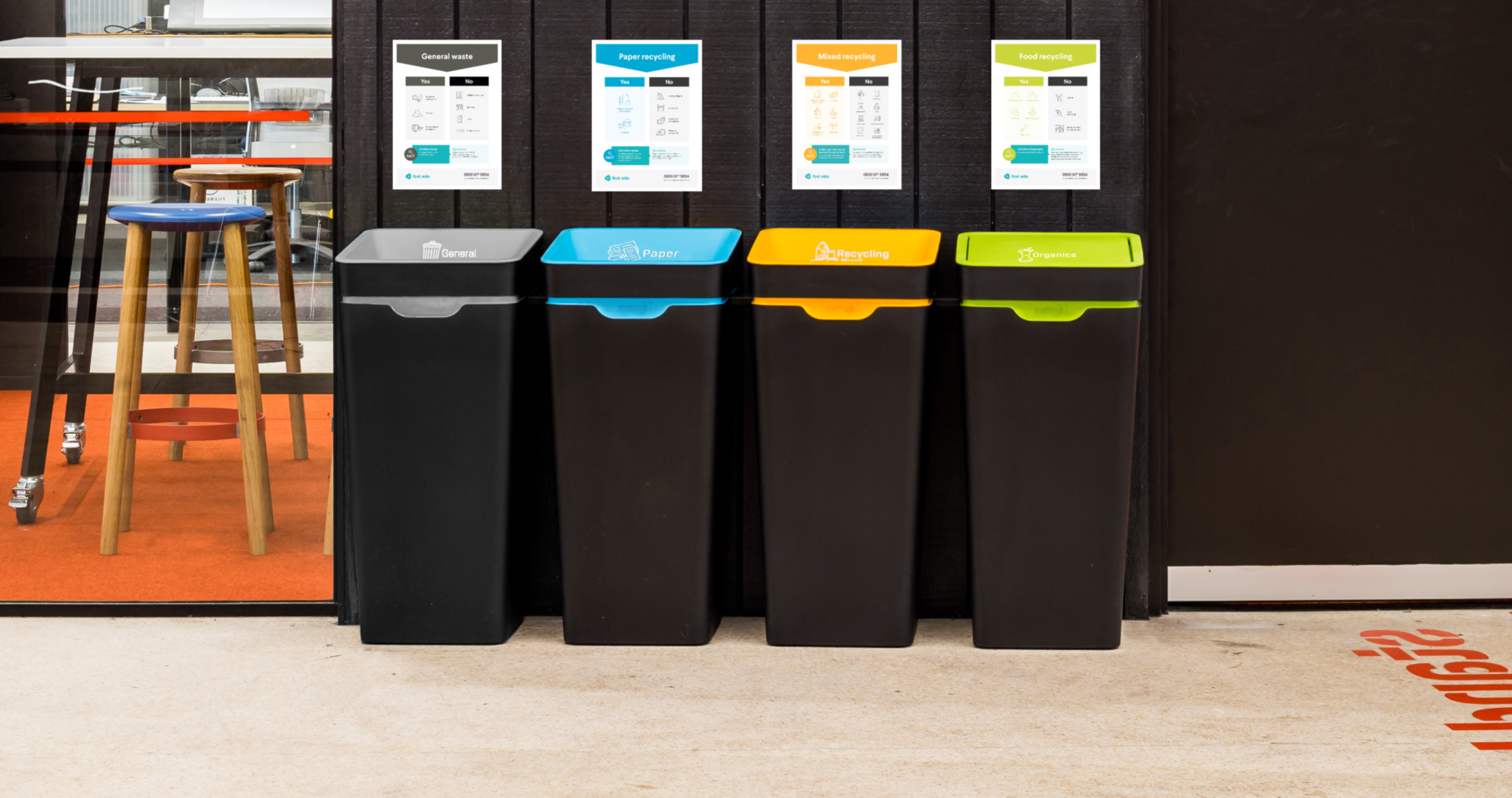
These are the core business waste separation rules you need to follow. At a minimum, businesses in scope must separate their waste into the following streams:
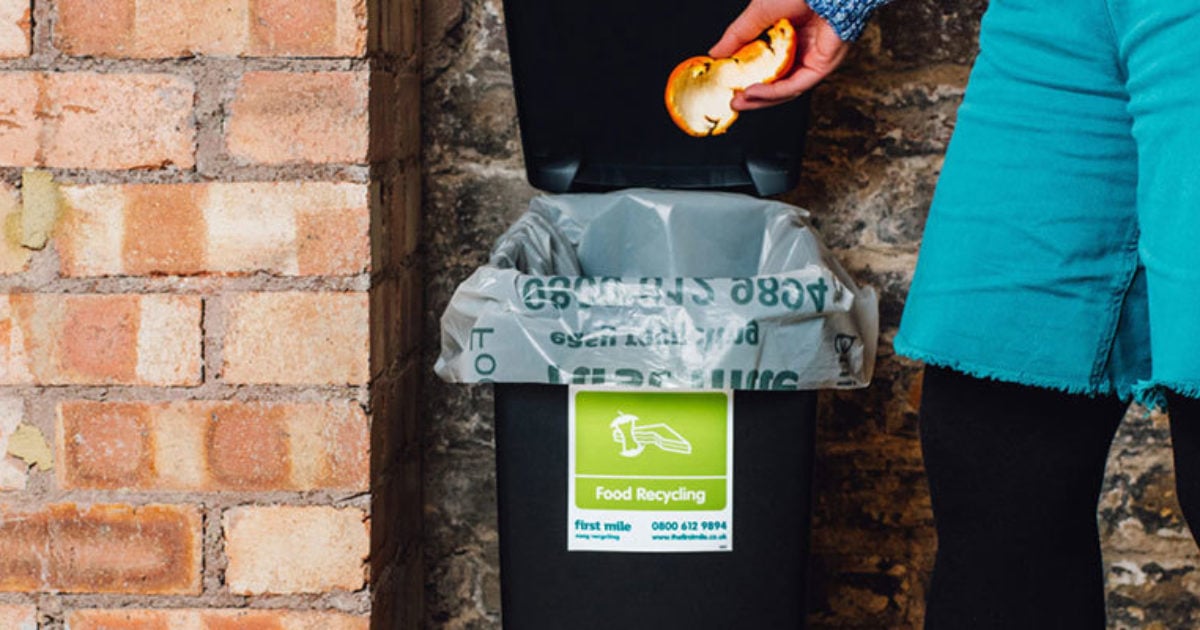
- Food waste
- Paper and card
- Other dry recyclables, such as plastic, metal and glass
- Residual waste, which is what’s left once recycling and food waste are removed
One point that’s often missed is this: there is no minimum amount of food waste. Even small amounts from staff kitchens, coffee grounds or lunch leftovers count.
Separation doesn’t always mean having lots of bins everywhere. What matters is that these materials are kept apart before collection, so they can be recycled properly.
Here’s a simple overview:
|
Waste stream |
Typical examples |
Common mistakes |
|
Food waste |
Leftovers, prep scraps, coffee grounds |
Packaging, compostable plastics |
|
Paper and card |
Office paper, cardboard boxes |
Food-soiled paper |
|
Dry recyclables |
Bottles, cans, jars, tins |
Liquids, food residue |
|
Residual waste |
Non-recyclable items |
Recyclables mixed in |
Do you need separate bins for everything?
Not always. Many businesses use mixed recycling collections, sometimes called dry mixed recycling or DMR. This is where plastic, metal and glass are collected together. Paper and card are often kept separate to protect quality.
Your waste collector will advise on what’s practical for your site. The most important thing is that recyclable materials must be separated from general waste and handled in line with the rules.
If you’re planning your setup, think in terms of recycling bins for businesses that match how people actually move around your space. If the right bin is never the closest bin, contamination is almost guaranteed.
Customer and visitor bins
If you provide bins for customers or visitors, for example in reception areas, cafés or shop floors, the waste from those bins is still your responsibility.
The law doesn’t expect customers to sort perfectly. But it does mean your business must make sure recyclable materials are separated before collection, even if that sorting happens behind the scenes.
This is where customer and visitor recycling bins really matter. Clear labels, consistent colours and sensible bin placement all help reduce contamination. They also save staff time and make recycling easier to manage.
A simple rule of thumb is to mirror your systems front and back of house. If staff have separate bins in the kitchen and storage area, customers should see a similar choice in public areas.
Food waste in practice
Food waste must be collected at least weekly in England. This helps manage hygiene, smells and pests, particularly in warmer months.
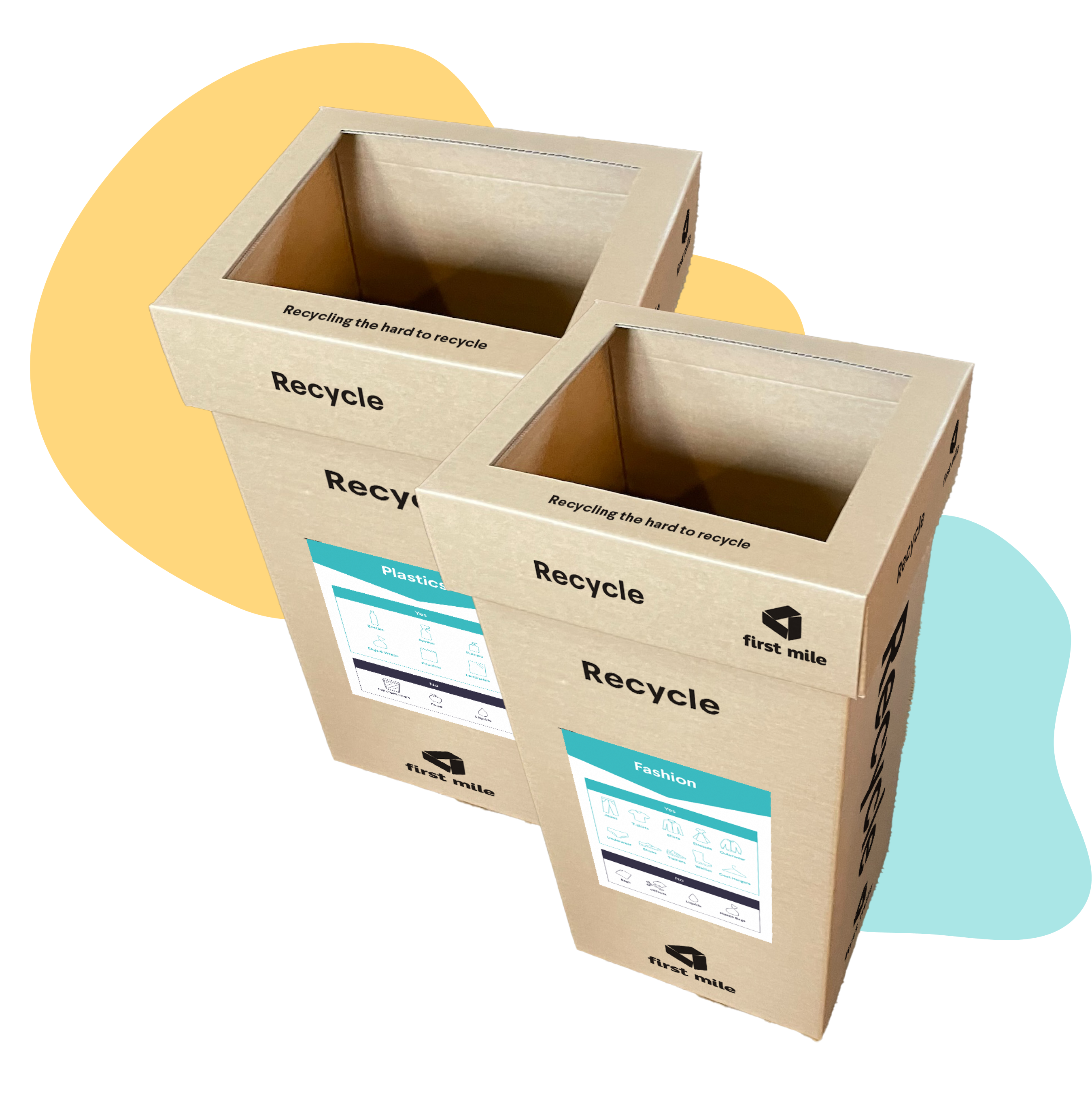
Container sizes and collection frequency are flexible. A small office might only need a compact caddy in the kitchen. A café or restaurant will typically need larger bins and more frequent collections.
Food waste includes things like:
- Prep scraps and plate waste
- Tea bags and coffee grounds
- Out-of-date food
Even in offices, small amounts still count. A separate food waste bin in the kitchen is often all that’s needed, and it can make a noticeable difference to how much ends up in general waste.
Avoiding contamination and rejected collections
Contamination is when the wrong items end up in the wrong bin. It’s one of the main reasons recycling loads get rejected.
Common problems include food in paper recycling, liquids left in bottles, or non-recyclable items mixed in with recycling. Rejected loads can lead to extra costs and missed recycling targets.
A few simple steps go a long way:
- Clear signage that shows what goes where
- Short staff briefings or reminders
- Regular checks to catch issues early
Compostable vs recyclable — a common trap
Compostable packaging isn’t the same as food waste unless your collection is specifically set up to accept it. Many compostable cups, cutlery and liners can contaminate food recycling.
If you’re unsure, check with your waste provider. When in doubt, it’s better to keep questionable items out of food waste to protect the whole load.
Your responsibilities and your collector’s role
As a business, you’re responsible for:
- Separating waste correctly
- Taking reasonable steps to prevent contamination
- Training staff and providing clear bins and signage
Your waste collector is responsible for:
- Collecting the separated streams properly
- Making sure materials aren’t mixed in ways that undermine recycling
- Providing documentation, such as waste transfer notes, which are records showing how your waste is handled
If one side doesn’t comply, problems can arise for both. Clear agreements, good records and a visible effort to do the right thing all help demonstrate compliance.
What enforcement really looks like
Enforcement is designed to be education-first, not punitive. Regulators are focused on helping businesses get it right, especially as the rules bed in.
Issues are usually addressed through guidance or a compliance notice, which is a formal request to fix specific problems within a set timeframe. Penalties tend to be a last resort.
Good compliance usually looks like:
- Staff training and clear procedures
- Well-labelled bins in sensible locations
- Documented waste arrangements with your provider
Going beyond compliance with Simpler Recycling
Meeting the legal minimum is just the starting point. Many businesses use Simpler Recycling as a foundation to improve their wider waste performance.
Better separation improves recycling quality, reduces residual waste and makes reporting easier. It also supports bigger goals like zero to landfill business waste, lower carbon impact and clearer sustainability data.
With the right insight into what you produce and where it goes, you can:
- Reduce waste costs
- Track meaningful internal KPIs
- Show progress to customers, staff and stakeholders
Done well, Simpler Recycling helps your waste system work smarter, not harder.
Making Simpler Recycling work day to day
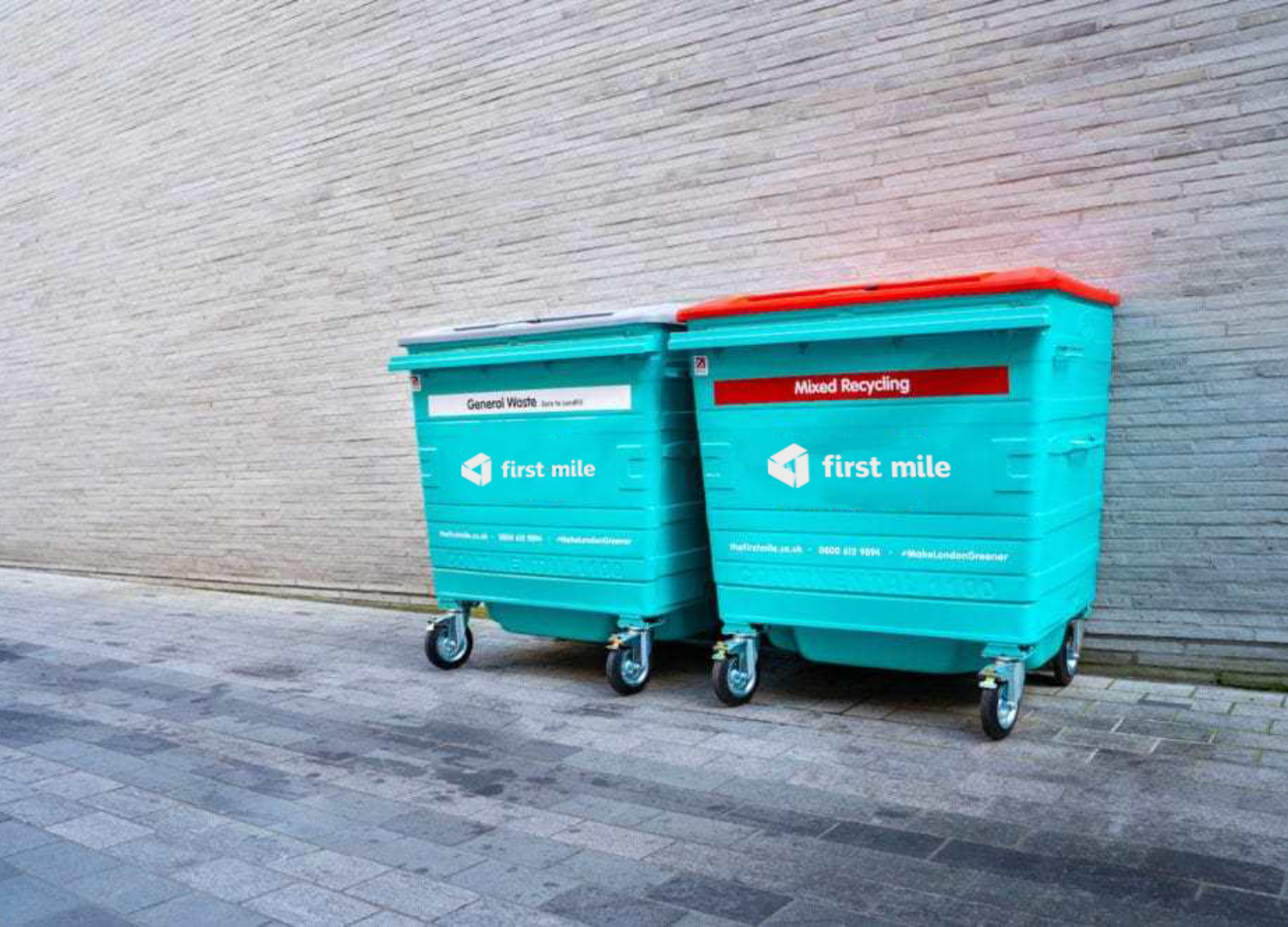
Simpler Recycling can sound daunting at first, but for most businesses it comes down to a few clear steps. Separate the right waste streams, set up bins that make sense, and make it easy for people to do the right thing.
With a calm, practical approach, compliance is very achievable and often brings wider benefits too.
Need a hand making sense of Simpler Recycling? Talk to First Mile about a compliant, zero-to-landfill set-up that works for your business.
FAQs
What is Simpler Recycling for workplaces in England?
It’s a legal requirement for most workplaces to separate key waste streams, including recycling and food waste, so materials can be recycled consistently and effectively.
Do micro-businesses really have until 2027?
Yes. Businesses with fewer than 10 employees have until 31 March 2027 to comply, although planning ahead is recommended.
Is there a minimum amount of food waste required?
No. There’s no minimum threshold. Even small amounts of food waste must be separated.
Do customer-facing bins need to be separated?
The waste from them does. If customers mix items, the business must sort recyclable material before collection.
Can I use mixed recycling instead of lots of bins?
Often, yes. Many collectors offer mixed recycling for plastic, metal and glass, with paper kept separate.
What happens if my recycling is contaminated?
Recycling loads can be rejected, which may lead to extra costs and poorer recycling outcomes. Clear signage and staff awareness help prevent this.