





You’ve put recycling systems in place. You’ve got the bins, the posters, maybe even the best intentions in the building. So why are your waste costs still rising?
For many UK businesses, the answer is recycling contamination.
When recycling is contaminated, it often can’t be recycled at all. Instead, it’s treated as general waste and sent to landfill or incineration. That single change has a big knock-on effect: higher disposal costs, higher landfill tax exposure, and a step backwards on sustainability.
Landfill tax is imposed to make landfill the least attractive option. But waste stream contamination is one of the fastest ways for recyclable material to end up there anyway. Here, we’ll explain what recycling contamination really means, how it increases landfill tax exposure, and what practical steps businesses can take to reduce risk and move closer to true zero-to-landfill waste management with First Mile.
What is recycling contamination and why does it matter?
Recycling contamination happens when recyclable materials are mixed with items that don’t belong in that recycling stream. That might be food waste, liquids, non-recyclable materials or items made from multiple materials that can’t be processed together.
In workplaces, the most common examples include:
- Food-soiled cardboard from takeaway lunches
- Half-full coffee cups or bottles
- Plastic bags mixed into dry recycling
- Mixed-material packaging placed in the wrong bin
The issue isn’t just the contaminated item itself. Recycling facilities rely on clean, consistent material. When contamination is detected, entire loads can be rejected. That means one wrong item can cause a whole bin, skip or collection to be treated as general waste.
For businesses, this turns recycling into a cost rather than a saving. Contaminated recycling loses its value, can’t be recovered properly, and is far more likely to be sent to landfill. That’s where landfill tax exposure starts to climb.
This is why recycling contamination isn’t just an environmental issue. It’s a cost, compliance and risk issue, and one that affects businesses far more often than many realise.

How recycling contamination increases landfill tax exposure
Landfill tax is charged on waste sent to landfill in the UK and is applied by weight. The more waste you send to landfill, the more tax you pay.
Recycling avoids landfill tax altogether. But when recycling is contaminated, it often can’t be processed by recycling facilities. Instead, it’s redirected to landfill or, in some cases, energy recovery.
Once waste is treated as landfill waste, landfill tax applies at the standard rate. This rate is significantly higher than the cost of recycling and far higher than lower-rate disposal routes. In simple terms, when recycling is contaminated, businesses lose the cost benefits of recycling and pay landfill tax instead.
The financial impact adds up quickly. Landfill tax is charged per tonne, so even small increases in landfill-bound waste can drive up costs. On top of the tax itself, businesses may also face higher disposal charges or contamination fees.
A single contaminated recycling bin can be enough to tip an entire load into general waste. Over time, repeated contamination means more landfill, more tax, and higher waste bills, even when a business believes it is “recycling”.

Common causes of contamination in business waste
Most waste stream contamination isn’t caused by people being careless. It’s caused by systems that make mistakes easily.
In many workplaces, employees are expected to recycle correctly without being given clear, consistent guidance. When systems are unclear, people guess — and guessing is one of the biggest drivers of contaminated recycling.
The most common causes of contamination in business waste include:
Lack of staff awareness
Employees are often unsure what can and can’t be recycled, particularly when it comes to food-soiled packaging, liquids or items made from mixed materials.
Poor bin signage and layout
Unclear labels, inconsistent colours or recycling bins placed far away from general waste bins all increase the likelihood of mistakes.
Food waste and liquids
Food residue and liquids are major contaminants, especially for paper and cardboard. Even small amounts can make otherwise recyclable material unusable. This is particularly common in offices, kitchens and hospitality settings.
Wish-cycling
This is when people put non-recyclable items into recycling “just in case”. While well-intentioned, it’s a major cause of contaminated recycling and rejected loads.
Inconsistent waste systems
Different rules across sites, unclear guidance from waste contractors or changes driven by recycling compliance reforms can all create confusion and increase contamination risk.
The key point to take away is that these are system problems, not people problems. With clearer guidance, better bin design and the right support in place, contamination can be significantly reduced.
How to reduce recycling contamination in your business
Reducing recycling contamination doesn’t require perfection. It requires clear systems, simple rules and consistent support.
Educate and train employees
People are the biggest influence on recycling outcomes. Clear, practical training improves engagement and employees understand what goes where and why it matters.
This works best when recycling guidance is included in inductions and reinforced regularly. Explaining the real-world impact, that one wrong item can send a whole load to landfill and increase landfill tax exposure, makes the issue tangible.
Many businesses benefit from appointing recycling champions who can answer questions and encourage good habits. Simple guidance beats complex rules every time. An informed workforce is your strongest defence against contaminated recycling.
Use clear signage and simple bin systems
Good signage removes uncertainty. Clear labels, images and colour-coded bins help people make the right decision quickly.
Bins should be co-located wherever possible, with recycling, food waste and general waste bins placed together. This makes correct disposal just as easy as incorrect disposal.
Simple systems work best. Overly complex setups often lead to confusion, which directly increases waste stream contamination and disposal costs.
Separate food waste and high-risk materials
Food waste is one of the most damaging contaminants in recycling. Liquids and residues quickly make dry recyclables unusable.
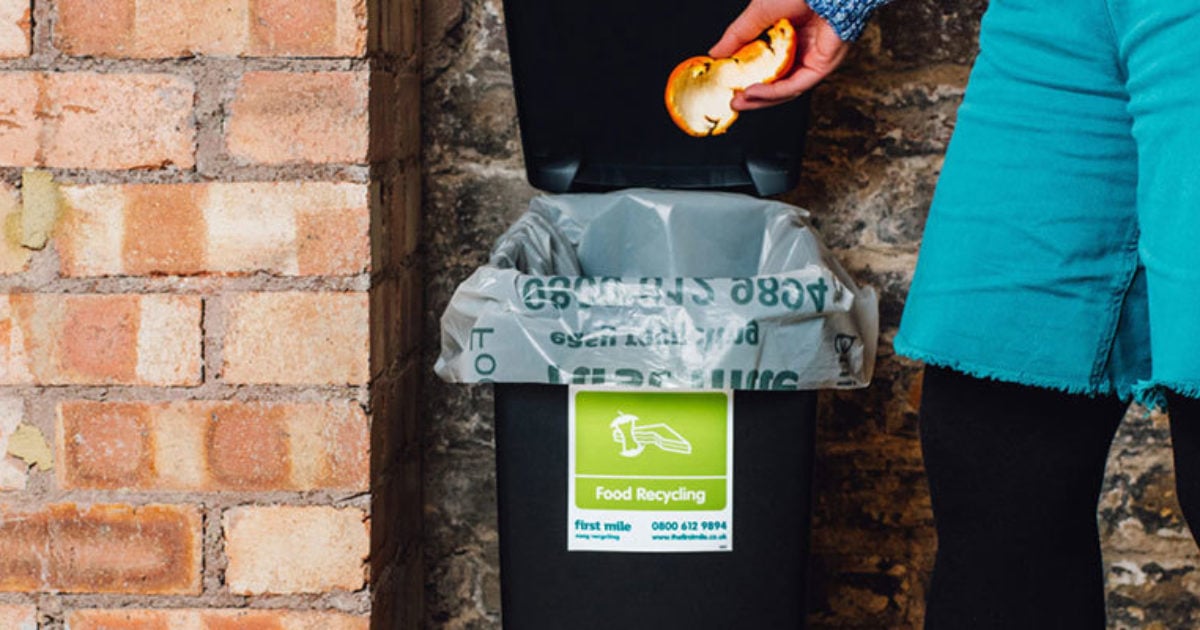
Providing dedicated food waste collections in kitchens and break areas keeps recycling clean and dry. Encouraging people to empty and rinse containers before recycling also makes a big difference.
Separating food waste supports recycling compliance and plays a key role in reducing landfill diversion and landfill tax exposure.
Monitor, audit and improve over time
Waste audits help identify where contamination is happening and why. By checking bin contents and spotting patterns, businesses can target the real causes of the problem.
Feedback, small changes and positive reinforcement all help improve recycling quality over time. Cleaner recycling leads to lower costs, better recovery and stronger sustainability outcomes.

Why working with a zero-to-landfill partner reduces risk
Beyond simply collecting waste, waste contractors shape how waste behaves across your business, from how it is sorted on site to where it ends up after collection.
The right sustainable waste management partner helps businesses design better systems, provides clear guidance, supports employee engagement and flags contamination issues as early as possible. This reduces the risk of recycling rejection and helps prevent waste from being pushed into landfill, where landfill tax exposure increases.
At First Mile, we take a zero-to-landfill approach to waste management. We focus on waste reduction, high quality recycling and responsible recovery routes that keep waste out of landfill wherever possible.
We support businesses with tailored business waste and recycling solutions, helping them set up clear systems that reduce waste stream contamination from the start. Where behaviour plays a role, our employee engagement programmes help teams understand how small actions affect recycling quality and costs.
Alongside this, our waste reduction strategies focus on preventing waste from being created in the first place, further reducing disposal costs and landfill tax exposure.
The result is fewer rejected loads, lower waste costs and confidence that your waste is being managed ethically and transparently.
Reducing risk and cost starts with cleaner recycling
Recycling contamination is one of the biggest and most preventable drivers of landfill tax costs for UK businesses. When recycling is contaminated, it’s far more likely to end up in landfill, increasing both environmental impact and business waste spend.
Clean, well segregated waste keeps materials out of landfill, supports recycling compliance and protects budgets. With the right systems, clear guidance and ongoing support in place, contamination can be dramatically reduced over time.
Speak to First Mile about waste audits, employee engagement and zero to landfill solutions that help reduce recycling contamination and lower landfill tax exposure. If you’re ready to take the next step, get a quote today.