







If you run or manage a business, the way your organisation handles waste is your responsibility. From offices and shops to hospitality venues and warehouses, every workplace produces waste that needs to be managed properly.
Recycling expectations are changing too. Across the UK, clearer workplace recycling rules and stronger requirements around non-domestic waste recycling are being introduced.
Many organisations already have recycling bins in place. But fewer have a clear business waste policy that explains how waste should actually be handled day to day.
Without that guidance, staff often make decisions on the spot. This can lead to contamination, missed recycling opportunities and confusion about responsibility.
A well-structured business waste policy solves this. It turns legal requirements into simple, practical steps your team can follow every day.
In this guide, we’ll explain:
- What a business waste policy is
- Why it matters for compliance
- What it should include
- How to implement one across your workplace
What is a business waste policy?
A business waste policy is a document that explains how your company manages waste responsibly and in line with legal requirements. It often forms part of a wider waste management policy for businesses or environmental strategy.
The aim is simple. It gives your staff clear instructions on how waste should be handled across the organisation.
A typical commercial waste policy sets out:
- How waste should be separated
- Where different waste streams go
- Who is responsible for managing waste processes
- Which waste contractors collect materials
- How the business ensures business waste compliance
Without a policy, employees often rely on guesswork. Waste may be placed in the wrong bins or mixed together. That can prevent materials from being recycled and can also increase your risk of non-compliance with UK business recycling laws.
A clear business recycling policy helps you:
- Improve recycling rates
- Reduce disposal costs
- Support environmental commitments
- Demonstrate responsible waste management
Many organisations include this as part of a sustainable waste management policy, helping show clients, staff and stakeholders that waste is handled properly.
Businesses operating from shared spaces or large sites may also implement a site waste policy to ensure consistent practices across teams and departments.
Does every business need a written waste policy?
UK legislation focuses on how waste is handled rather than requiring a specific written policy. However, creating a documented waste policy for offices or other workplaces is strongly recommended.
A written policy helps you demonstrate your waste duty of care as a business and ensures processes are applied consistently.
It also makes it easier to:
- Train employees more effectively
- Manage waste across multiple locations
- Document waste procedures clearly
- Support environmental reporting
Larger organisations often include an office recycling policy or workplace recycling policy within their wider environmental or sustainability policies.
Why business waste policies matter for 2026 compliance
Waste legislation across the UK is evolving and the focus is on improving recycling rates and reducing contamination.
This means businesses are increasingly expected to:
- Separate recyclable materials
- Manage food waste properly
- Prevent recyclables entering general waste
New reforms such as Simpler Recycling for businesses aim to standardise recycling systems across workplaces. These reforms build on existing workplace recycling regulations and increase expectations around waste segregation at work.
For businesses, this means waste systems need to be clear and easy for staff to follow.
A well-written waste management policy for businesses helps you stay ahead. It documents your processes and makes sure your team follows consistent recycling practices.
It also supports compliance with broader guidance around responsible waste handling. This includes understanding your waste duty of care business responsibilities and working with compliant service providers.
Clear policies also help organisations align their processes with current business recycling laws.
Having a policy in place now makes it easier to adapt as recycling expectations evolve.
What “2026 compliance” means for UK businesses
When people talk about 2026 compliance, they’re usually referring to the direction of travel in UK waste regulation and the ongoing rollout of clearer recycling systems for workplaces.
To meet current expectations, businesses should ensure their waste systems support proper non-domestic waste recycling.
In practice, this typically means:
- Separating recyclable materials from general waste
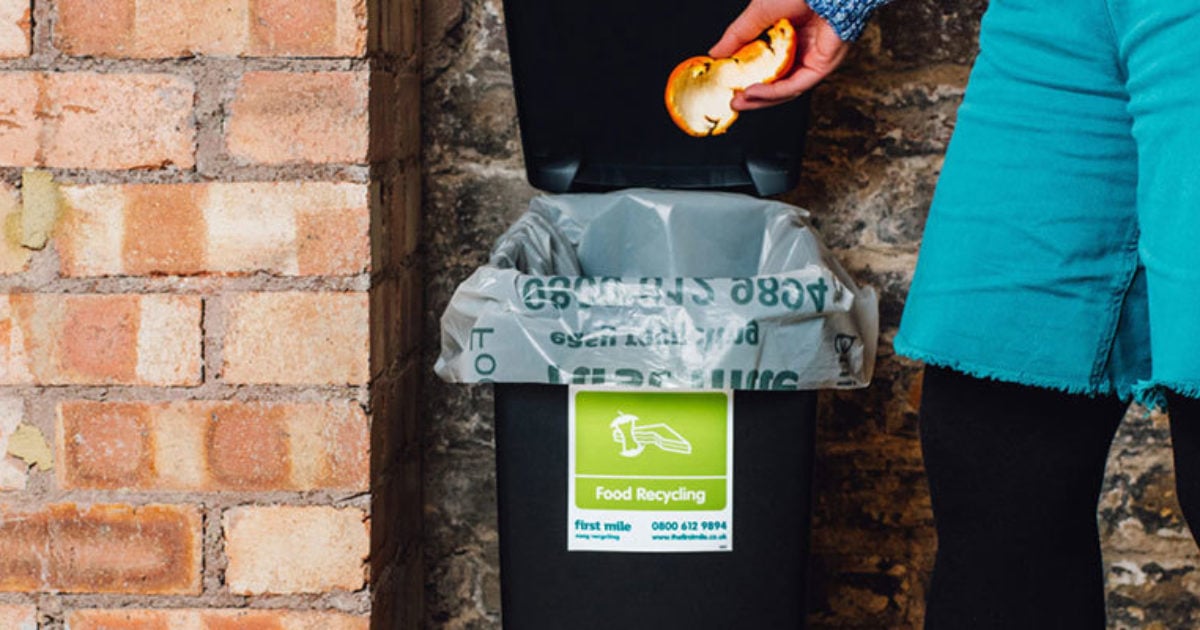
- Arranging food waste collection for businesses where required
- Working with licensed waste carriers
- Keeping records such as waste transfer notes
Businesses must also ensure waste contractor compliance by using authorised waste carriers and retaining waste transfer data that shows waste has been handled properly.
Companies operating across different UK nations should also check local requirements. Recycling policies can vary slightly between England, Scotland, Wales and Northern Ireland. A clear business waste policy template can help organisations maintain consistent standards across multiple sites.
What should a business waste policy include?
Your policy should act as a practical, everyday guide. Whether you’re creating a workplace recycling policy or a full commercial waste policy, the goal is the same: make waste management clear and easy to follow. The policy should clearly explain what waste is produced, how it’s handled and who is responsible.
Many organisations use a business waste policy template to structure this information. Regardless of format, the policy should cover several key areas.
Scope and responsibilities
Start by defining the scope of the policy. This explains which locations, departments and activities the waste policy applies to.
It should also clarify who manages waste processes within the organisation.
This might include:
- Facilities managers
- Site managers
- Cleaning contractors
- Sustainability teams
Clearly defined responsibilities help ensure waste procedures are consistently followed and support stronger business waste compliance.
Waste streams and segregation
Next, the policy should identify the main waste streams produced by the business. This helps support proper waste segregation at work and ensures recyclable materials are handled correctly.
Here are the most common workplace waste streams:
- Recyclable materials such as paper, cardboard, plastics and cans
- Food waste from kitchens and staff areas
- General waste that cannot be recycled
Separating these materials prevents contamination and improves recycling results.
For example:
- Office kitchens may need separate bins for coffee cups and food waste.
- Retail stockrooms may need dedicated areas for cardboard packaging.
Clear segregation supports effective recycling of materials such as paper and cardboard.
Waste collection and contractors
Your policy should explain how waste collections work. To meet legal requirements, you must ensure waste contractor compliance by working with authorised carriers.
Your policy should outline:
- Which waste contractor collects each waste stream
- How often collections occur
- Where waste is stored before collection
You must also hold onto documentation such as waste transfer notes. These records help demonstrate compliance with UK business recycling laws and your legal waste duty of care business obligations.
Training and staff awareness
Even the best workplace recycling policy won’t work if employees don’t understand it.
Your policy should include guidance on:
- Staff training
- Bin signage and labels
- Internal communication about recycling practices
Simple tools such as clear bin labels and visual guides can significantly improve recycling accuracy.
How to implement a workplace recycling policy across your business
Creating a policy is only the first step. The real goal is making it work in everyday operations.
Practical systems make it easier for employees to follow recycling processes and support consistent waste segregation at work.
Map the waste your business produces
Start by reviewing the waste your organisation generates. This helps shape your waste management policy and ensures the right recycling services are in place.
For example, here are a few common waste streams that offices generate:
- Office paper waste
- Takeaway packaging
- Food waste from kitchens
- Cardboard packaging from deliveries
Understanding waste streams makes it easier to design effective recycling systems. Businesses operating in offices may benefit from services designed specifically for offices.
Set up clear bin systems
Bin placement plays a major role in recycling success. If recycling options are easy to find, employees are far more likely to use them.
Effective workplace setups often include:
- Recycling bins next to printers for paper waste
- Food waste bins in kitchen areas
- Cardboard recycling points in stockrooms
Consistent colours, clear labels and visible signage help staff dispose of materials correctly. Having dedicated services from a trusted waste management partner such as mixed recycling, general waste and food recycling can support these systems.
Train staff and communicate the policy
Introducing the policy clearly is essential. Staff should understand how the system works and why it matters.
You can introduce your office recycling policy through:
- Onboarding
- Team briefings
- Posters and internal communications
Better awareness leads to better recycling.
Monitor and improve your waste system
Waste systems should be reviewed regularly to ensure they continue supporting business waste compliance.
This may involve regularly:
- Reviewing recycling contamination levels
- Adjusting bin placement
- Updating policies when regulations change
Digital waste tracking can also help businesses monitor waste performance.

Common mistakes businesses make with waste policies
Even with good intentions, organisations sometimes struggle to implement effective waste policies. A clear sustainable waste management policy can help avoid common pitfalls.
These include:
Assuming recycling happens automatically
Simply providing recycling bins doesn’t guarantee materials will be recycled. Without guidance, employees may still place items in the wrong bins.
Unclear responsibilities
If no one is responsible for managing waste, recycling systems often become inconsistent across departments.
Mixing waste streams
Poor waste segregation at work can contaminate recyclable materials and prevent them from being processed correctly.
Ignoring food waste
Food waste is one of the most common workplace waste streams. Make sure you have proper food waste collection for businesses where needed.
Not reviewing policies regularly
Waste systems evolve as regulations and operations change. Reviewing your site waste policy periodically ensures it continues supporting compliance.
Simple policies that are clearly communicated across the workplace help prevent these issues and support stronger recycling performance.
Putting your business waste policy into action
Every business generates waste. Managing that waste responsibly is part of running a compliant, sustainable operation.
A clear business waste policy helps businesses:
- Meet legal responsibilities under UK business recycling laws
- Improve recycling performance
- Support environmental goals
- Create consistent waste processes across teams
Building a policy doesn’t need to be complicated. With the right systems, staff guidance and recycling services in place, businesses can create waste processes that are simple and effective.
Many organisations also discover that improving recycling supports wider sustainability goals and business benefits.
Need help putting a compliant waste system in place? Explore our business waste and recycling services to see how First Mile can support your recycling and waste collections.
Frequently asked questions about business waste policies
What is a business waste policy?
A business waste policy is a document that explains how a company manages and disposes of waste responsibly. It outlines recycling procedures, waste separation processes and how materials should be handled across the workplace.
The goal is to ensure waste is managed in line with UK business recycling laws and workplace recycling expectations.
What should a workplace recycling policy include?
A workplace recycling policy usually includes several core elements:
- the waste streams produced by the business
- recycling procedures for each material type
- staff responsibilities for managing waste
- arrangements with authorised waste contractors
- staff training and communication
These elements help create a consistent business recycling policy that staff can easily follow.
Do small businesses need a business waste policy?
Small businesses are not always legally required to have a written commercial waste policy. However, creating one is strongly recommended.
A documented waste policy for offices or other workplaces helps businesses demonstrate waste duty of care for businesses and ensures recycling processes are applied consistently.
What waste must businesses separate for recycling?
Most businesses are expected to separate common recyclable materials as part of non-domestic waste recycling.
These typically include:
- Paper and cardboard
- Plastics and metal cans
- Food waste in many workplaces
Separating materials supports effective recycling and helps businesses meet workplace recycling rules.
What is waste duty of care for businesses?
Waste duty of care for businesses is a legal responsibility under UK environmental law.
It means businesses must ensure their waste is:
- stored safely
- transferred to authorised waste carriers
- handled and processed correctly
Companies must also keep documentation such as waste transfer notes to demonstrate compliance.
How often should a business waste policy be reviewed?
Most organisations review their waste management policy for businesses at least once a year.
Policies should also be updated when:
- workplace recycling regulations change
- waste streams within the business change
- new recycling systems are introduced
Regular reviews help ensure the policy continues supporting business waste compliance and effective recycling across the organisation.