





You probably think your recycling is sorted. The bins are in place. Collections run on time. Job done. But recycling risk isn’t just about being green. It’s about compliance, cost control, fire safety and reputation.
Recycling risk means the legal, operational, financial and safety risks that arise when your workplace waste and recycling aren’t properly managed.
It covers everything from business recycling compliance and workplace recycling regulations to contamination, hidden batteries and who handles your waste after it leaves the site.
In this guide, we’ll look at four areas many businesses underestimate:
- Compliance risk
- Contamination and cost
- Fire and safety risks from lithium-ion batteries
- Supply chain and reputational exposure
The goal isn’t to alarm you, it’s to give you clarity. Once you understand the risks, you can manage them with confidence.
What is recycling risk and why are businesses underestimating it?
Workplace recycling regulations are evolving. In England, the Simpler Recycling workplace requirements mean businesses must separate key recyclable materials at source.
At the same time, waste streams are becoming more complex. There’s more packaging. More soft plastics. More small electricals. More batteries in everyday devices.
All of that increases commercial waste compliance pressure.
If recycling processes are unclear, poorly communicated or inconsistently followed, small issues can escalate into:
- Rejected recycling loads
- Additional collection costs
- Data gaps in ESG waste reporting
- Safety risks
Recycling isn’t just an environmental task anymore. It’s an operational control.
The shift from green initiative to governance issue
Waste now touches more than facilities. It links to compliance, procurement, health and safety, finance and ESG reporting. Senior decision-makers are accountable for business recycling laws and reporting accuracy. That means recycling belongs on your risk register.
You don’t need legal jargon to see why. If waste isn’t handled correctly, you face disruption, unexpected costs and scrutiny.
Recycling is no longer just about good intentions. It’s about governance.
Compliance risk: Are you fully aligned with workplace recycling rules?
If your business produces waste, you have a legal duty of care in the UK. This waste duty of care for businesses requires you to store waste safely, use authorised carriers and keep the right documentation.
- Store waste safely and securely
- Separate materials correctly
- Use authorised waste carriers
- Keep the right paperwork
- Ensure waste is handled properly right through to its final destination
Under the Simpler Recycling workplace requirements in England, businesses must separate core recyclable materials such as paper and card, plastics, metals and glass from general waste. Food waste separation also applies for many organisations.
If materials aren’t separated correctly, or if processes aren’t consistent across sites, your business recycling compliance may not meet expectations.
You also remain responsible for your waste until it’s properly processed. This is why commercial waste compliance is all about having the right systems and oversight in place.
If you want a clearer picture of how these rules fit together, our guide to business recycling laws explains what businesses are legally expected to do and why it matters.

What does duty of care mean in practice?
The waste duty of care for businesses isn’t complicated, but it does require attention.
In practice, it means:
- Keeping accurate waste transfer notes. These are legal documents that describe the type and quantity of waste collected.
- Carrying out a licensed waste carrier check to confirm your provider is authorised.
- Preventing contamination between waste streams.
- Ensuring waste transfer note requirements are met and documents are retained for the required period.
You’re responsible from the moment waste is produced until it reaches a legitimate facility.
Digital systems, such as digital waste tracking, can make this easier to manage across multiple sites.
What happens when recycling goes wrong?
When recycling systems fail, the impact is usually operational first.
You might see:
- Rejected recycling loads due to contamination
- Extra charges for sorting or disposal
- Delays or collection refusals
- Disruption to site operations
In more serious cases, regulators may investigate. Even without enforcement, the time spent resolving issues creates cost and distraction. Prevention is far simpler than remediation.
Contamination risk: The hidden cost of wish-cycling
Contamination happens when the wrong items are placed in a recycling stream.
Common examples include:
- Food left in dry mixed recycling
- Coffee cups placed in mixed paper
- Soft plastics added to streams that don’t accept them
- Electricals placed in general waste
When this happens, materials can’t be processed as intended. Loads may be downgraded or rejected entirely.
That’s where recycling contamination costs start to rise.
If you’re unsure what belongs where, our guides to coffee cup recycling, flexible plastics and single-use plastics recycling break it down clearly.
Why contamination costs more than you think
The impact of contamination isn’t always obvious at first.
It can lead to:
- Additional sorting and handling costs
- Collection refusals
- Wasted staff time
- Lower recycling rates
- Inaccurate ESG waste reporting
If your reported recycling rate doesn’t reflect what’s actually processed, your sustainability claims may be weaker than you expect.
A waste audit for businesses is a practical way to identify contamination points. It reviews what’s going into each stream and highlights simple fixes. Often, small changes to signage and layout make a big difference.
Fire and safety risk: The lithium-ion battery problem
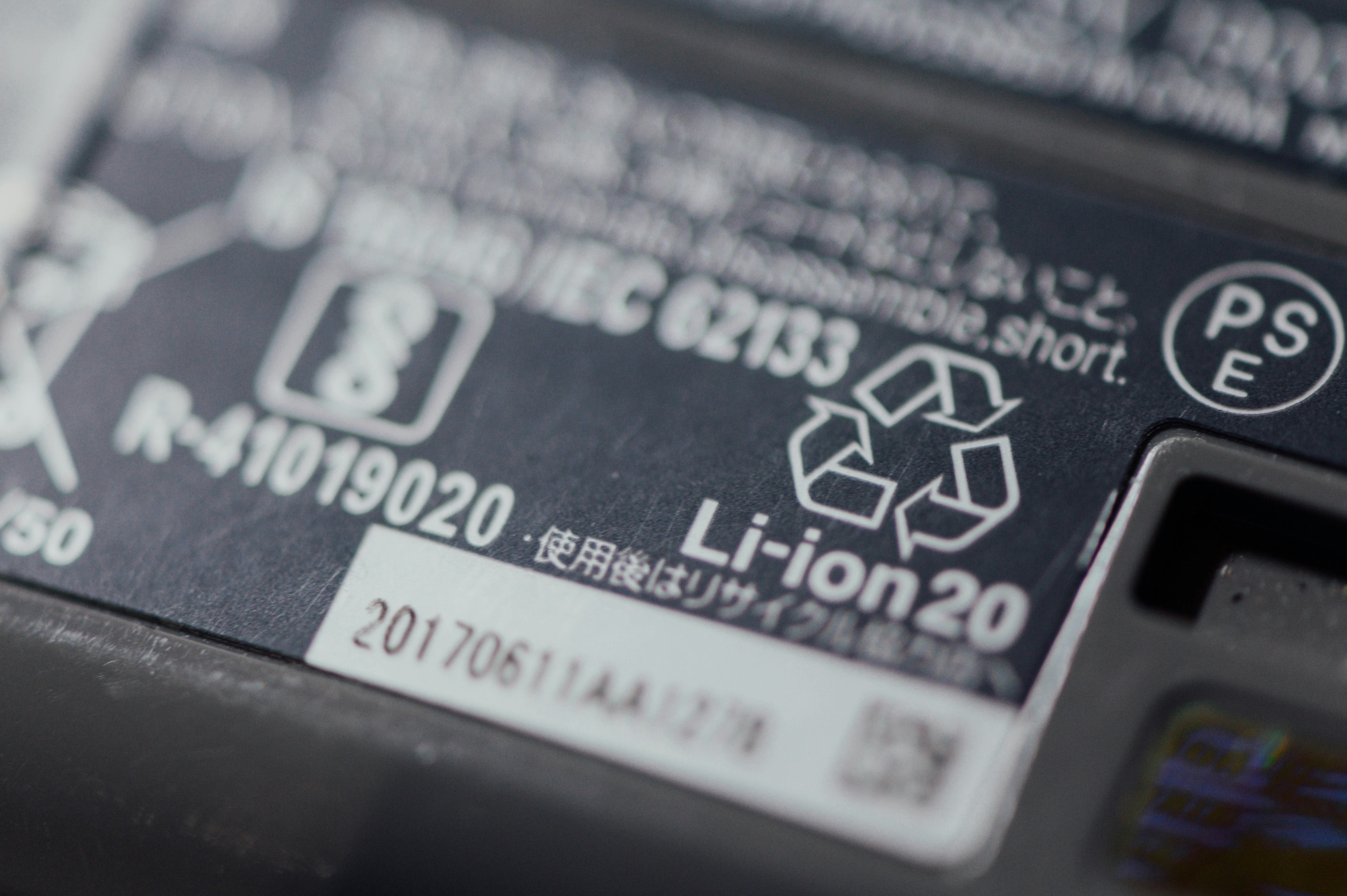
Lithium-ion batteries are now in everyday items. Laptops, vapes, cordless tools and even greeting cards.
When these batteries are placed in general waste or dry recycling, they can be crushed in waste trucks or at processing facilities. Damaged batteries can ignite.
This creates a serious battery fire risk in waste handling environments.
For businesses, that means:
- Risk to staff and contractors
- Operational disruption
- Vehicle or site damage
- Reputational exposure
As well as best practice, correct lithium-ion battery disposal is part of responsible commercial waste compliance.
What should businesses do about batteries and WEEE?
Start by separating batteries and small electrical items from other waste streams.
Practical steps include:
- Providing dedicated battery collection points
- Using clear signage so staff know where items belong
- Ensuring no electronics go into general waste
- Arranging compliant WEEE disposal for businesses
WEEE stands for Waste Electrical and Electronic Equipment. It covers items like monitors, keyboards and small appliances. They require specialist handling.
Our WEEE recycling services explain how compliant collections work.
Keeping batteries and electricals out of general waste streams also reduces landfill impact. If you’re reviewing your wider waste approach, it helps to understand why landfill is so harmful.
Supply chain and reputational risk – you’re still accountable
Your responsibility doesn’t end at the bin.
If your waste is mishandled further down the chain, it can still reflect on your organisation. That’s where waste crime risk becomes relevant.
Unverified carriers, poor documentation or opaque downstream processing can expose you to reputational damage.
At the same time, ESG waste reporting is under greater scrutiny. Investors, clients and stakeholders increasingly expect clear evidence of responsible waste management.
That means you need:
- Transparency
- Traceability
- Confidence in your provider
Choosing a partner with clear reporting and strong environmental standards reduces uncertainty. Our business waste and recycling services are designed to provide that visibility.
How to reduce supply chain waste risk
You don’t need complexity. You need structure. Start with:
- Working with transparent, compliant providers
- Completing a licensed waste carrier check
- Requesting clear, regular reporting
- Reviewing documentation periodically
- Keeping waste transfer notes organised and accessible
A proactive partner will help you stay ahead of issues, not react to them.
A simple framework to reduce recycling risk in your business
Reducing recycling risk doesn’t require a full overhaul. It requires clarity and consistency.
Use this checklist as a starting point:
- Audit your current waste streams
Conduct a waste audit for businesses to identify gaps and contamination points. - Confirm alignment with workplace recycling regulations
Check your processes against the Simpler Recycling workplace requirements in England. - Train staff clearly and simply
Use signage and short guidance. Keep instructions visible and consistent. - Introduce clear battery and WEEE processes
Separate lithium-ion batteries and arrange compliant collections. - Review your waste carrier credentials
Complete a licensed waste carrier check and verify documentation. - Monitor contamination levels
Track rejected recycling loads and investigate root causes. - Keep documentation up to date
Meet waste transfer note requirements and store records securely.
These steps support strong commercial waste compliance without adding unnecessary complexity.
From reactive recycling to resilient risk management
Recycling risk is about protecting your people, your budget and your reputation.
When waste systems are clear, compliant and well managed, you reduce disruption. You strengthen ESG waste reporting and build confidence across your organisation.
At First Mile, we don’t just collect waste. We help you design systems that are compliant, transparent and built to last. From separation guidance and WEEE collections to reporting and documentation support, we help you move from reactive to resilient.
Need a clearer picture of your recycling risk?
Let’s take a look together and review how your current recycling setup could work harder for your business.