





If you run or manage a retail site, you’ve probably heard a lot about DRS retail already. There’s talk of new rules, in-store returns and changes to how drinks containers are handled. It’s easy to feel unsure about what actually applies to you.
Here’s the simple version: DRS adds a refundable deposit to certain drinks containers, and retailers will play a key role in charging and refunding that deposit.
This guide explains what the Deposit Return Scheme means for retailers in practice and how to prepare without adding pressure. It’s written for busy retail teams who want clear, practical answers.
What does DRS retail mean?
DRS retail describes the role retailers play in the UK Deposit Return Scheme.
Under the scheme, a small deposit is added to certain drinks containers when they’re sold. Customers get that deposit back when they return the empty container to a registered return point.
For retailers, this creates clear responsibilities at store level. DRS retail focuses on:
- Charging the deposit at the till
- Refunding the deposit when containers are returned
- Accepting eligible containers as a DRS return point
That’s why DRS retailer responsibilities are discussed separately from producers or logistics providers. Your role sits at both the point of sale and the point of return.
The system is designed to be structured and supported. You’re not expected to design compliance processes alone. Guidance and operational frameworks are built into the scheme.

When is DRS launching in the UK and where does it apply?
The UK Deposit Return Scheme is due to launch in October 2027.
It will apply across:
- England
- Scotland
- Northern Ireland
The aim is alignment across all three nations, which is particularly important if you manage multiple retail sites. While some operational details are still being finalised, the overall framework is agreed.
Most importantly, there’s time to prepare. Retailers have a clear window to review space, staffing and waste arrangements well ahead of launch.
Which drinks containers are in scope?
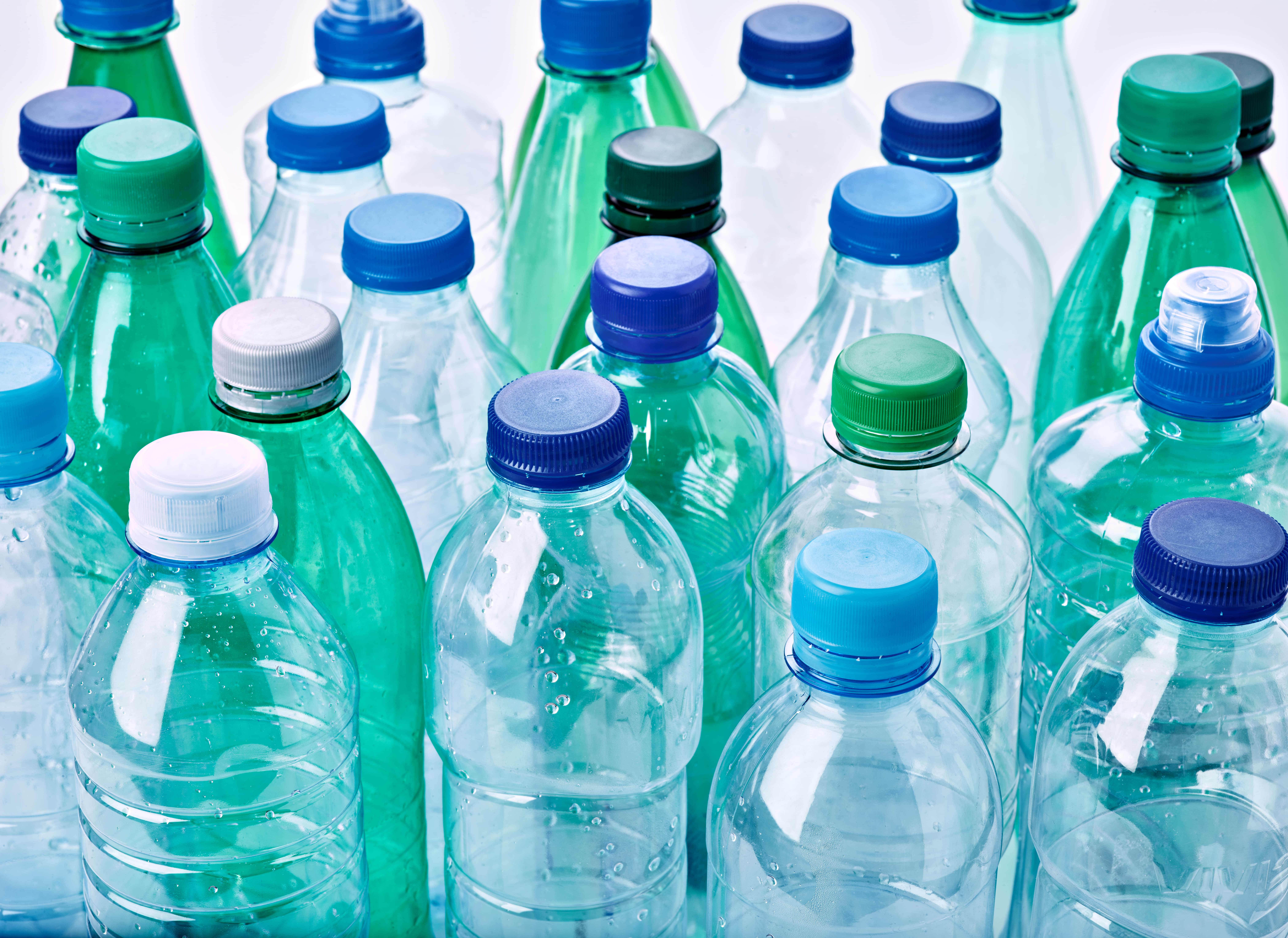
In-scope drinks containers are the items that carry a deposit and can be returned for a refund.
In practical terms, this will typically include:
- Drinks bottles
- Drinks cans
These containers must be handled differently once they’re returned. They aren’t treated like standard recycling or general waste.
Understanding container scope matters because it affects:
- How returns are accepted
- How containers are stored back of house
- How waste collections are managed
For retail teams, this means thinking ahead about space, cleanliness and handling so daily operations continue to run smoothly.
What are retailer responsibilities under DRS?
DRS retailer responsibilities are clear and defined. They centre on deposits, returns and working within the scheme structure.
In simple terms, DRS retailer responsibilities include:
- Charging and refunding deposits
- Acting as a return point where required
- Working with the scheme administrator
Charging and refunding the deposit
Retailers must charge a deposit on in-scope drinks containers at the point of sale. The deposit is added to the product price.
When a customer returns an eligible empty container, the deposit refund process applies. The deposit must be repaid using an approved method.
This has practical implications in store, including:
- Updates to till systems
- Staff training on deposits and refunds
- Handling customer questions clearly and confidently
The goal is consistency. Customers should understand the process, and staff should feel comfortable managing it.
Acting as a return point
Many retailers will act as a DRS return point. This means accepting empty in scope drinks containers from customers and enabling refunds.
As a DRS return point operator, this will involve:
- Accepting eligible containers sold under the scheme
- Managing returns safely and hygienically
- Thinking about customer flow and potential queues
Space and layout matter. Return activity needs to fit around normal trading without disrupting the customer experience.
Working with the scheme administrator
The scheme administrator is the organisation that runs the Deposit Return Scheme.
Retailers work with the scheme administrator for:
- Registration and onboarding
- Reporting returned containers
- Receiving payments linked to deposits
The process is designed to be structured and supported. Retailers aren’t left to manage compliance alone.
How do returns work in store?
Retailers can accept returns in two main ways. The right option depends on your site size, layout and expected return volumes.
The two return methods are:
- Manual takeback
- Reverse vending machines
Many retailers will use a mix of approaches across their estate.
Manual takeback over the counter returns
Manual takeback means staff accept empty containers directly from customers, either at a till or service desk.
This approach is suitable for:
- Smaller stores
- Sites with limited space
- Locations with lower return volumes
Operational considerations include:
- Staff time to check containers
- Clean and secure storage
- Hygiene and handling procedures
With the right planning, manual takeback can work smoothly without slowing down your team.
Reverse vending machines RVMs
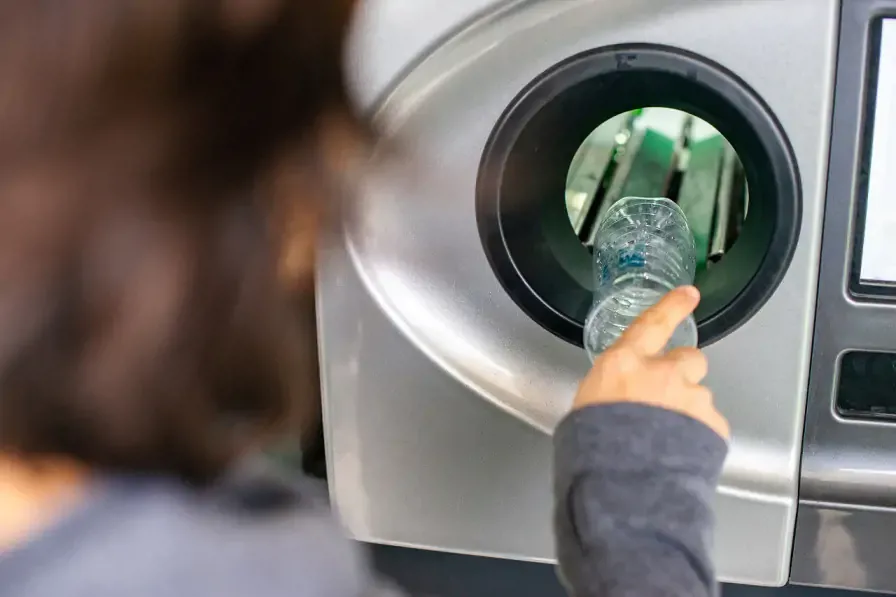
A reverse vending machine (RVM) automatically accepts empty containers.
Customers insert the container, the machine verifies it, and the deposit refund process is triggered without staff handling each item.
RVMs are suited to:
- Higher footfall sites
- Stores with larger return volumes
- Locations with dedicated space
Things to consider include:
- Floor space and access
- Power supply
- Servicing and maintenance
- Customer experience and clear signage
How to choose the right return option
There’s no single solution that fits every retailer.
The right approach for your business depends on:
- Customer footfall
- Available space
- Expected return volumes
- Consistency across multiple sites
Planning early gives you flexibility. We expect several retailers to choose a blended approach, using manual takeback in smaller stores and RVMs in larger locations.
What does DRS mean for retail waste and storage?
DRS affects more than sales and refunds. It also changes how returned containers are stored and collected.
Returned containers must be stored separately from other recycling streams. They cannot be mixed with food waste, cardboard or general waste.
Retailers should review:
- Clean and secure storage areas
- Pest control and hygiene
- Manual handling and fire loading limits
Collection frequency may also need adjusting as return volumes increase.
This links closely with existing business waste and recycling arrangements, including food recycling, general waste and cardboard recycling.
How DRS fits with other UK packaging reforms
DRS is part of broader packaging reforms in the UK.
One major change is Extended Producer Responsibility (EPR), which shifts more of the cost of packaging waste onto producers.
Together, DRS and EPR packaging reforms aim to:
- Improve recycling rates
- Reduce litter
- Create clearer accountability across the supply chain
For retailers, it makes sense to look at compliance and waste management together. Planning in one place reduces complexity and avoids duplication.
What DRS does not mean for retailers
There are a few common concerns worth clearing up.
DRS doesn’t mean:
- Retailers become waste processors
- Every site must install an RVM
- Existing recycling obligations disappear
DRS works alongside your current duties. It adds structure and consistency, rather than unnecessary burden.
What retailers should do now to prepare
Early planning makes DRS retail much easier to manage.
Practical steps you can take now include:
- Reviewing return point expectations for each site
- Assessing space, staffing and storage needs
- Reviewing waste storage and collection contracts
- Speaking with compliance and waste partners
- Planning staff training and clear customer signage
Starting conversations early gives you options. It also helps avoid rushed decisions closer to launch.
Getting ready for DRS retail
DRS retail planning matters because it affects sales processes, customer experience and waste operations. The good news is that it’s manageable with the right support.
Retailers who plan early can spread costs, test processes and build staff confidence over time.
Having a partner who understands retail operations and waste logistics makes a real difference.
At First Mile, we support retailers with practical waste, storage and compliance solutions that suit real sites.
If you’d like to start planning your DRS setup, talk to First Mile about getting your site ready.
FAQs
What does DRS mean in retail?
DRS in retail means charging a deposit on certain drinks containers and refunding it when customers return the empty container. Retailers often act as both the point of sale and the return point.
Do all retailers have to accept returns under DRS?
Many retailers will act as a return point, but requirements can vary by site. The scheme administrator sets the rules and supports registration and compliance.
What’s the difference between manual takeback and an RVM?
Manual takeback involves staff accepting containers over the counter. An RVM accepts containers automatically and issues refunds without staff handling each item.
Which drinks containers are included in the UK DRS?
The scheme covers in scope drinks containers such as common drinks bottles and cans that carry a deposit. Only eligible containers can be returned.
How does DRS affect retail waste collections?
Returned containers must be stored separately from other waste. This can affect storage space, hygiene controls and collection frequency.
How does DRS link to EPR and other packaging reforms?
DRS works alongside Extended Producer Responsibility. Together, they aim to improve recycling outcomes and create clearer roles across the packaging system.