






You’ve probably heard about rising EPR packaging costs. You might already be seeing suppliers add surcharges to invoices. Or your finance team is asking what your exposure looks like.
From 2025, producers cover the full cost of managing household packaging waste under extended producer responsibility for packaging. From April 2026, recyclability will directly affect how much you pay.
This guide explains:
- What drives EPR packaging costs
- Who needs to comply
- How packaging decisions shape your bill
- Practical ways to reduce exposure
First Mile works with UK businesses to manage waste responsibly and efficiently. With the right data and design choices, UK packaging EPR is manageable.
What has changed under UK packaging EPR?
Under the old system, producers funded around 10% of packaging waste management costs through PRNs. Local authorities covered the rest.
Now, under extended producer responsibility for packaging, producers fund the full net cost of managing household packaging waste.
The new regulations took effect on 1 January 2025.
Here is what that means in practice:
- 2025-26 uses flat EPR base fees by material
- From April 2026, EPR modulated fees apply
- Fees are adjusted using recyclability ratings
PRNs and PERNs still exist. You must still buy evidence of recycling for the packaging you place on the market. EPR adds disposal fees on top.
This is a structural shift. Cost responsibility has moved from taxpayers to producers. For many businesses, that means a significant change in budgeting and packaging strategy.
You can explore the background in more detail in what is extended producer responsibility.
Do you need to pay EPR packaging costs?
Whether you pay depends on your size and how much packaging you handle.
Large vs small producers
The small producer vs large producer packaging EPR thresholds are clear.
You are a large producer if:
- Your turnover is £2 million or more
- You handle more than 50 tonnes of packaging per year
Large producers must:
- Report data every six months
- Register with the regulator
- Pay PackUK producer disposal fees
- Purchase PRNs
You are a small producer if:
- Your turnover is £1 million or more
- You handle more than 25 tonnes per year
Small producers must:
- Collect and report packaging data
- Meet packaging reporting obligations through Report Packaging Data
In Year 1, small producers do not pay disposal fees. However, reporting is still mandatory.
What counts as packaging supply?
Many businesses underestimate scope.
You are likely in scope if you:
- Import own brand goods into the UK
- Pack or fill products
- Operate an online marketplace facilitating UK sales
- Import goods in packaged form
- Supply empty packaging such as pallets or outer cases
B2B supply can still count. If you supply packaging into the UK economy, it may fall under UK packaging EPR rules.

How EPR packaging costs are calculated
Understanding the calculation helps you forecast and control spend.
Step 1: Identify household packaging tonnage
Fees apply primarily to household packaging. This is packaging that is likely to end up in household waste streams.
You must calculate total tonnage by material type.
Accurate data is critical. Errors can lead to overpayment or penalties.
Step 2: Apply base fee per material for 2025 to 2026
The EPR base fees 2025-26 are charged per tonne of household packaging.
- Plastic: £423 per tonne
- Paper and card: £196 per tonne
- Glass: £192 per tonne
- Aluminium: £266 per tonne
- Steel: £259 per tonne
- Wood: £280 per tonne
This keeps it clean and easy to scan.
Plastic is higher because it often has lower recycling value and higher processing costs. Some composite materials are higher still.
If you supply 50 tonnes of plastic packaging:
50 × £423 = £21,150 in disposal fees
That is before PRNs and admin costs.
Step 3: Add PRN or PERN obligations
You must still buy PRNs or PERNs to cover 100% of the recycled packaging tonnage you place on the market.
PRN prices are market driven. They are separate from disposal fees.
Step 4: Registration and admin costs
You must register either directly with the regulator or via a compliance scheme.
Registration fees vary depending on your route. Compliance schemes may charge additional admin fees.
Altogether, your EPR packaging costs include:
- Disposal fees
- PRNs
- Registration
- Scheme admin costs
For many businesses, this represents a step change compared to the old system.
What changes from April 2026? Modulated fees explained
From April 2026, fees are adjusted using the Recyclability Assessment Methodology (RAM)
Each packaging format receives a Red Amber Green (RAG) recyclability rating.
- Red means hard to recycle
- Amber means transitional
- Green means widely recyclable
Red rated packaging will pay a premium. The surcharge increases over time:
- Plus 20% in 2026-27
- Plus 60% in 2027-28
- Plus 100% by 2028-29
Green-rated packaging will receive a discount. Exact discount levels are set by the scheme administrator.
This structure is designed to push better design. The more recyclable your packaging, the lower your exposure to EPR modulated fees 2026 onwards.
Packaging decisions that can reduce your EPR bill
If you want to know how to reduce EPR fees, focus on the drivers.
Reduce weight
Fees are charged per tonne. Lightweighting cuts cost directly.
- Remove unnecessary layers
- Right size boxes
- Eliminate excess void fill
Simplify materials
Design for recycling (mono-material packaging) matters.
Mono material packaging is easier to recycle and more likely to achieve a Green rating.
Avoid:
- Composite laminates
- Mixed material packs
- Hard to separate components
Improve recyclability
Small features can trigger Red ratings.
Review:
- Problematic pigments such as carbon black
- Strong adhesives
- Plastic windows in paper packaging
Align packaging design with the Red Amber Green recyclability rating criteria.
Reuse models
Reusable packaging is typically reported on first use and reused without additional disposal fee per rotation.
Refill and return systems can reduce reported tonnage significantly.
Improve data accuracy
Poor data can inflate fees.
Track:
- Exact weights
- Material breakdown
- RAM classification
Digital waste tracking systems can support accurate reporting and reduce risk. Good data also strengthens broader sustainability reporting and the benefits of recycling for a business.
Sector-specific cost considerations
Different sectors face different pressures under Plastic Packaging Tax vs EPR and disposal fees.
Hospitality
Many venues see indirect cost increases from suppliers.
Some raise concerns about double charging because they pay suppliers who include EPR costs and still pay waste contractors. However, EPR applies regardless of your commercial waste contract.
E-commerce
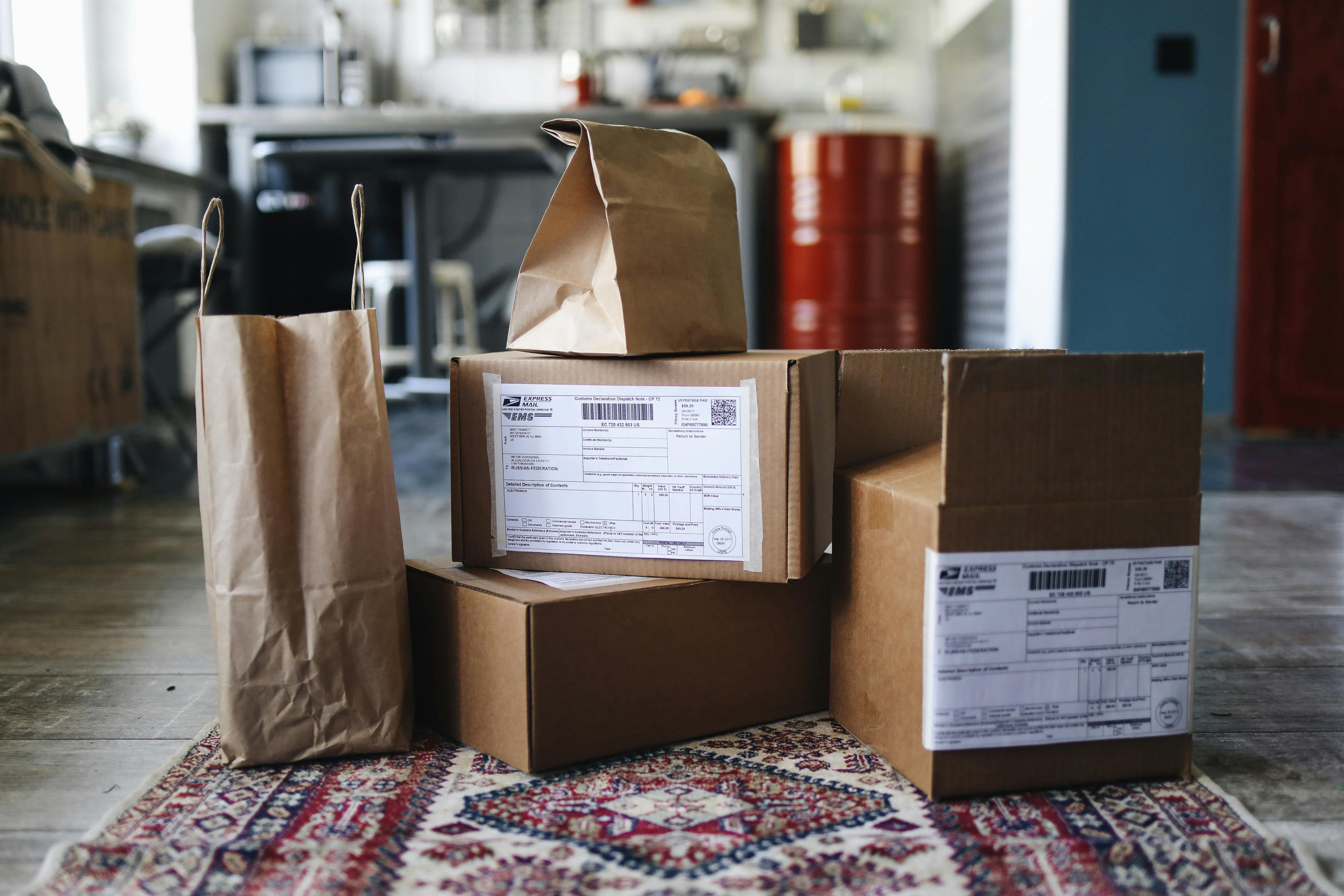
Outer boxes, mailing bags and void fill increase tonnage quickly.
Right sizing and removing unnecessary packaging reduces exposure.
Importers
If you import goods into the UK, you are responsible for the packaging entering the UK market.
You must factor EPR packaging costs into landed cost models.
Common misconceptions about EPR packaging costs
“We are B2B so it does not apply”
It can still apply. Supplying packaging into the UK market is what matters.
“Paper is always cheaper”
Not always. If paper includes plastic windows or coatings, it may receive a poor recyclability rating.
“We already pay for waste collection”
Waste collection fees do not offset disposal fees. EPR sits on top.
“Small business means no obligations”
Small producers may not pay disposal fees in Year 1, but they still have packaging reporting obligations through Report Packaging Data.
Understanding the difference between compliance and waste services is key. Business waste and recycling services support operational recycling, but EPR is a producer responsibility regime.
Take control of your EPR packaging costs
EPR packaging costs can feel complex. But they are predictable if you understand the levers.
Focus on:
- Weight
- Material choice
- Recyclability
- Accurate reporting
Plan ahead before modulation increases from 2026 onwards.
The businesses that act early will avoid surcharges and reduce compliance risk. They will also strengthen their environmental story and reduce landfill impact.
Speak to First Mile about reviewing your packaging and waste streams to help reduce your EPR packaging costs and improve recycling performance.
EPR packaging FAQs
What are EPR packaging costs?
EPR packaging costs are the disposal fees, PRNs and registration charges producers must pay under UK packaging EPR. They reflect the full net cost of managing household packaging waste placed on the market.
When do EPR fees start?
The regulations came into force on 1 January 2025. Disposal fees apply for 2025-26 based on 2024 data. Modulated fees linked to recyclability apply from April 2026.
How do modulated fees work?
From 2026, packaging is assessed under the Recyclability Assessment Methodology. It receives a Red-Amber-Green recyclability rating. Red attracts a premium. Green receives a discount. Premiums increase each year for hard to recycle packaging.
Does EPR apply to imported goods?
Yes. If you import packaged goods into the UK, you are responsible for reporting and paying relevant EPR packaging costs for that packaging.