





If you manage waste at work, you may already have heard about the Simpler Recycling requirements and wondered what they actually mean for your business.
Workplace recycling rules are changing. The aim is to make recycling systems easier to understand and more consistent across England. Under the updated rules, businesses must separate certain waste streams so materials can be recycled properly.
Many organisations already recycle. But there’s still confusion around what’s required to meet current workplace recycling rules in England.
It’s also important to know where these rules apply. Waste policy is devolved across the UK, and the current Simpler Recycling legislation applies specifically to workplaces in England. This includes most businesses, charities and public sector organisations that produce commercial waste.
In this guide, we’ll explain:
- What the Simpler Recycling legislation means for workplaces
- Which organisations must comply
- What waste streams businesses need to separate
- How businesses can prepare their recycling systems
With the right setup, meeting the Simpler Recycling requirements for businesses can be straightforward. Many organisations work with waste management partners like First Mile to keep recycling systems simple, compliant and easy to manage.
What is Simpler Recycling?
Simpler Recycling is part of wider reforms designed to make recycling more consistent across workplaces.
The Simpler Recycling legislation aims to improve recycling rates while reducing the amount of waste sent to landfill or incineration. When businesses separate materials properly, recycling facilities can process them more effectively.
Under these updated business recycling regulations, workplaces must separate key waste streams so recyclables aren’t mixed with general waste.
In most workplaces, this means separating:
- Dry recyclable materials such as paper, cardboard, plastics, metals and glass
- Food waste produced in kitchens, cafés or staff areas
- Residual waste, which includes materials that cannot be recycled
This approach improves recycling quality and reduces contamination. It also supports wider environmental goals by keeping more materials in use.
Many businesses already recycle some of these materials. However, Simpler Recycling for businesses may require changes to how waste is collected or stored within a workplace.
Clear recycling systems also help businesses reduce waste sent to landfill.

Who needs to comply with Simpler Recycling requirements?
The Simpler Recycling requirements for businesses apply to workplaces across England.
This includes organisations that produce commercial waste such as:
- Private businesses
- Charities and non profit organisations
- Public sector organisations
The rules apply across all sectors. Offices, retailers, hospitality venues and warehouses must all follow the updated business recycling laws.
There is one key exception: the micro-firm recycling exemption.
A micro firm is a business with fewer than 10 full-time equivalent employees. These businesses have a later deadline to comply with the rules.
For most organisations, however, the new rules already apply as part of wider business waste compliance in England.
It’s also important to note how employee numbers are counted. Staff numbers are calculated across the entire organisation rather than a single site.
For example, the rules still apply to:
- Retail chains operating multiple shops
- Hospitality groups with several venues
- Companies with offices in multiple locations
What waste businesses must separate under Simpler Recycling
Under the updated business waste separation rules, workplaces must separate specific waste streams so they can be processed correctly.
Clear separation helps recycling facilities recover valuable materials and reduces contamination in recycling collections.
Most workplaces will need to separate the following waste types:
Dry recyclable materials
Dry recyclables are materials that can usually be recycled through standard collections.
This includes:
- Paper such as office documents, envelopes and printed materials
- Cardboard packaging from deliveries or retail stock
- Plastic containers and packaging
- Metal cans and tins
- Glass bottles and jars
Many businesses collect these materials through dry mixed recycling, where several recyclable materials are collected together.
Food waste
Food waste separation is a key part of the Simpler Recycling requirements.
This applies even in workplaces that only produce small amounts of food waste.
Examples include:
- Leftover food from staff lunches
- Fruit peel and food preparation waste
- Coffee grounds and tea bags
- Out of date food from hospitality or retail
Proper food waste recycling for businesses helps divert organic waste from landfill and supports sustainable waste processing.
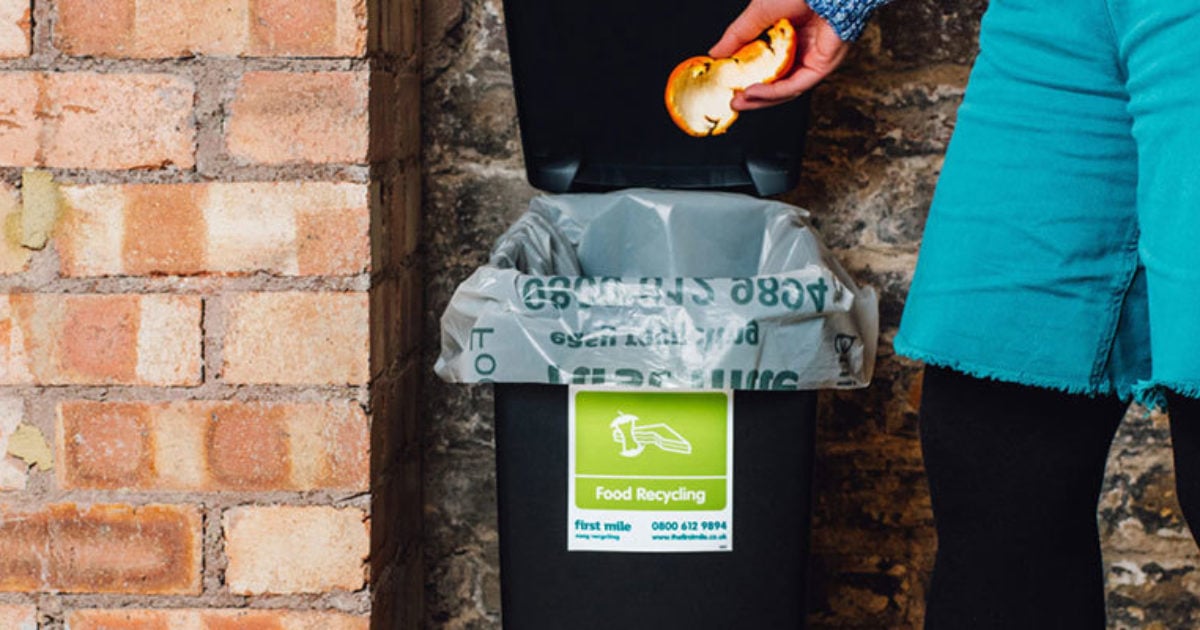
Food recycling collections make it easier for workplaces to manage this waste stream.
Residual waste
Residual waste is anything that can’t be recycled.
This may include:
- Contaminated packaging
- Non recyclable materials
- Certain hygiene products
Residual waste should be kept separate from recycling streams to prevent contamination.
How many bins does a workplace actually need?
One of the most common questions businesses ask is how many bins they need to meet the workplace recycling bins requirements.
The exact setup can vary depending on the waste collector and local processing facilities. However, most workplaces use a system that separates key waste streams.
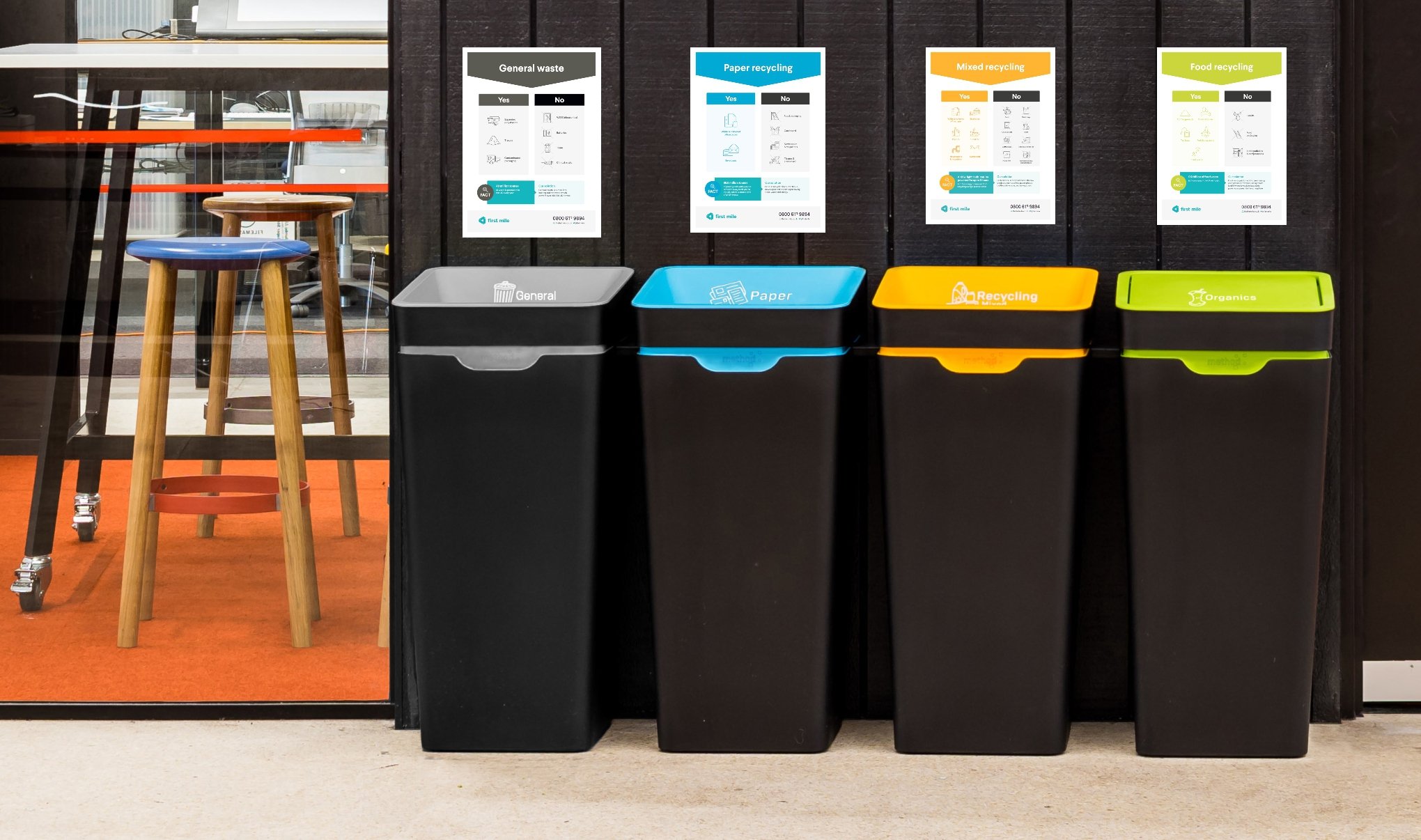
A typical recycling setup might include:
- Mixed recycling bins for plastic, metal and other dry recyclables
- Paper and card bins where paper and cardboard must be separated
- Food waste bins for organic waste
- General waste bins for non-recyclable materials
Some waste providers allow certain materials to be combined. Others require stricter separation depending on local recycling infrastructure.
For example, paper and card recycling separation rules may require paper and cardboard to be collected separately unless an exemption applies.
Mixed recycling services allow many recyclable materials to be collected together.
Clear labelling also helps employees choose the correct bins. Tools like RecycleID can help workplaces label bins clearly and reduce recycling mistakes.
What Simpler Recycling means for office, retail and hospitality businesses
Although the legislation is the same, the way businesses implement it often depends on the type of workplace.
Different industries produce different waste streams and may require slightly different recycling systems.
Offices
Offices typically produce a mix of recyclable materials and kitchen waste. Many will need to align with updated office recycling regulations when updating their recycling systems.
Common office waste streams include:
- Paper and printed materials
- Packaging from deliveries
- Coffee cups and drinks containers
- Food waste from kitchens or break rooms
Effective office recycling often includes:
- Desk side recycling bins for paper and packaging
- Food waste bins in kitchen areas
- Clear signage to guide employees
Workplace recycling systems designed for offices help organisations implement these changes effectively.
Retail businesses
Retail businesses often generate large volumes of packaging waste. They must also meet updated retail recycling requirements.
The most typical waste streams are:
- Cardboard from deliveries
- Plastic packaging
- Paper materials and receipts
- Food waste in grocery retail environments
Retailers may also need to consider how customer waste is handled in store recycling areas.
Hospitality venues
Restaurants, cafés and hotels produce a wider range of waste streams and must follow relevant hospitality recycling rules.
These venues typically produce high volumes of:
- Food waste
- Glass bottles
- Packaging materials
Clear back of house recycling systems help hospitality staff separate waste correctly.
Common Simpler Recycling questions businesses ask
Businesses often have practical questions about how the rules apply day to day. Following Simpler Recycling England guidance can help clarify these.
Do small businesses still need a food waste bin?
Yes. The rules focus on the type of waste produced rather than the volume.
Even small workplaces produce food waste such as tea bags, coffee grounds or leftover lunches. These materials must be separated under food waste recycling for businesses.
What if your business shares bins with other tenants?
Shared buildings often use central waste areas. In these situations, businesses should ensure the shared system still separates the required waste streams.
Clear signage and labelled bins help ensure the business waste separation rules are followed correctly.
What if your business has multiple locations?
Employee numbers are counted across the entire organisation rather than a single site.
This means large organisations with multiple workplaces must still meet the rules even if individual locations are small.
Does customer waste need to follow the rules?
Yes. Waste produced by visitors should also be separated appropriately where possible. This helps maintain recycling quality and supports commercial recycling compliance.
How businesses can prepare for Simpler Recycling
Preparing early helps businesses meet the new rules with minimal disruption.
Organisations that want to understand how businesses comply with Simpler Recycling often begin with a simple review of their current waste setup.
Here’s a quick, practical checklist:
- Review your current waste collections
- Identify the waste streams your business produces
- Ensure food waste is collected separately
- Check whether paper and cardboard must be separated
- Train staff on recycling processes
- Use clear bin signage across the workplace
- Work with a waste provider that understands the rules
Working with an experienced provider also helps ensure ongoing business waste compliance in England.
First Mile’s business waste services help businesses design recycling systems, organise compliant collections and manage waste responsibly.
Digital waste tracking can also support sustainability reporting and recycling monitoring.
Making Simpler Recycling work for your business
Simpler Recycling aims to standardise workplace recycling and make waste systems easier to manage.
Most businesses will need to separate recyclable materials and food waste while ensuring residual waste is handled correctly. These rules apply to workplaces across England and form part of wider business recycling regulations.
The good news is that compliance does not have to be complicated. Clear bin systems, staff awareness and the right recycling services can make the process straightforward.
Many organisations also discover wider benefits when improving recycling systems, including environmental and operational advantages.
Frequently asked questions about Simpler Recycling requirements
What are the Simpler Recycling requirements for businesses?
The Simpler Recycling requirements for businesses require workplaces to separate key waste streams so materials can be recycled properly.
This usually includes:
- Dry recyclable materials such as paper, cardboard, plastics and metals
- Food waste from kitchens and food preparation areas
- Residual waste that cannot be recycled
These rules form part of wider business recycling regulations designed to improve recycling rates.
Does Simpler Recycling apply to all UK businesses?
No. Waste policy is devolved across the UK.
The current Simpler Recycling legislation applies to workplaces in England. Scotland, Wales and Northern Ireland operate their own recycling policies and regulations.
Do offices need a food waste bin under Simpler Recycling?
Yes. Most workplaces produce some form of food waste, even if the amount is small.
Examples include:
- Tea bags
- Coffee grounds
- Leftover lunches
Separating these materials supports effective food waste recycling for businesses.
How many bins does a business need for Simpler Recycling?
Most workplaces use several bins to separate different waste streams.
Typical setups include:
- Mixed recycling bins
- Paper and card bins
- Food waste bins
- General waste bins
Exact systems may vary depending on the waste collector and local recycling infrastructure.
What counts as a micro firm under Simpler Recycling?
A micro firm is defined as a business with fewer than 10 full time equivalent employees.
These businesses fall under the micro-firm recycling exemption, which allows a later compliance deadline.
When do businesses need to comply with Simpler Recycling?
Compliance timelines vary depending on business size.
Most organisations must comply earlier under the business recycling law 2025, while micro firms are given additional time to adapt their recycling systems.