





If you manage waste for a business, you may have heard about SME waste tracking and the shift towards digital systems. You might also be wondering what it means for your day-to-day operations.
Across the UK, waste management is moving towards digital waste tracking. The aim is to replace fragmented paperwork with more reliable digital records that improve transparency across the waste system.
For many small and medium-sized businesses, this raises practical questions. How will waste be tracked? What records do you need to keep? And how can you prepare without adding extra admin?
This guide explains:
- What digital waste tracking for SMEs actually means
- How digital waste tracking works in practice
- What information businesses must record
- How SMEs can prepare for future requirements
- How digital tools can make compliance easier
With the right setup, tracking waste doesn’t need to be complicated. In many cases, better data actually makes waste reporting for SMEs simpler and more accurate.
What is digital waste tracking?
Digital waste tracking records and monitors the movement of waste using digital systems instead of paper documentation.
Traditionally, waste transfers are recorded using paperwork like waste transfer notes. These show where waste came from, who transported it and where it was taken.
Digital systems replace this with connected data that follows waste through the entire process.
This means waste movement records are stored electronically, creating a clear audit trail from production through to final treatment or disposal.
The goal of digital waste tracking is to:
- Improve transparency across the waste sector
- Reduce waste crime
- Strengthen regulatory oversight
- Support circular economy goals
- Provide more reliable waste data
Businesses must still maintain accurate business waste record keeping. For each movement, this typically includes:
- The type of waste produced
- Where the waste was generated
- The waste carrier responsible for transport
- The destination treatment or disposal site
This helps you meet your waste duty of care as a business.
Does digital waste tracking apply to SMEs or only to waste operators?
It’s a common misconception that digital tracking only affects waste operators such as landfill sites or recycling facilities.
In reality, commercial waste tracking involves every organisation that produces waste.
The early rollout phases focus mainly on waste carriers and receiving facilities. However, businesses that produce waste still have legal responsibilities under waste duty of care rules.
This means SMEs must continue to:
- Ensure waste is handled by authorised waste carriers
- Confirm waste is taken to legitimate facilities
- Maintain accurate waste documentation
- Keep records available for audits or inspections
These responsibilities form a key part of waste compliance for small businesses.
Even when using a waste contractor, businesses remain responsible for how their waste is handled. Therefore, knowing how to track business waste is important for any organisation that produces commercial waste.
Digital systems make these responsibilities easier to manage. They reduce paperwork and provide clearer visibility into waste data.
When does digital waste tracking become mandatory in the UK?
The rollout of digital waste tracking in the UK is happening in phases.
The first stages focus on waste receiving sites and waste carriers. These organisations are using digital systems to record waste movements across the supply chain.
Over time, the system will expand to include other operators involved in waste management.
Although SMEs may not be the first group required to use the system directly, their waste data will still form part of the wider digital tracking chain.
This means businesses should prepare for stronger digital waste compliance requirements.
Preparing now allows organisations to:
- Improve internal business waste record keeping
- Understand waste volumes more clearly
- Ensure documentation is accurate
- Strengthen business recycling compliance
Early preparation can make the transition to digital tracking much smoother.
What information will businesses need to record for each waste movement?
A key part of digital waste tracking for SMEs is recording accurate information whenever waste leaves your premises.
This information creates a traceable digital audit trail that shows how waste moves through the system.
Typical data recorded for each waste movement includes:
- Type of waste produced
- Waste classification code
- Quantity or weight of waste
- Location where the waste was generated
- Waste carrier responsible for collection
- Destination facility receiving the waste
- Treatment or disposal method
Historically this information was recorded on paper such as waste transfer notes.
Under digital systems, these records are stored electronically and can be accessed more easily.
Better waste data brings several operational benefits:
- Easier compliance checks
- Faster reporting for regulators
- Clearer sustainability insights
- Improved internal decision making
Accurate waste reporting for SMEs can also help businesses identify opportunities to reduce waste and improve recycling performance.
What does SME waste tracking look like in practice?
For many organisations, SME waste tracking becomes more complex when multiple tenants, locations or departments are involved.
This is common in environments like:
- Office buildings with several tenants
- Retail centres with multiple stores
- Hospitality venues with shared waste areas
- Mixed use developments
In these situations, waste often moves through shared infrastructure.
Without accurate business waste tracking systems, several challenges can arise:
- Multiple waste streams mixed together
- Unclear ownership of waste
- Inaccurate reporting of volumes
- Difficulty allocating costs fairly
Tracking waste by location, tenant or department can significantly improve visibility.
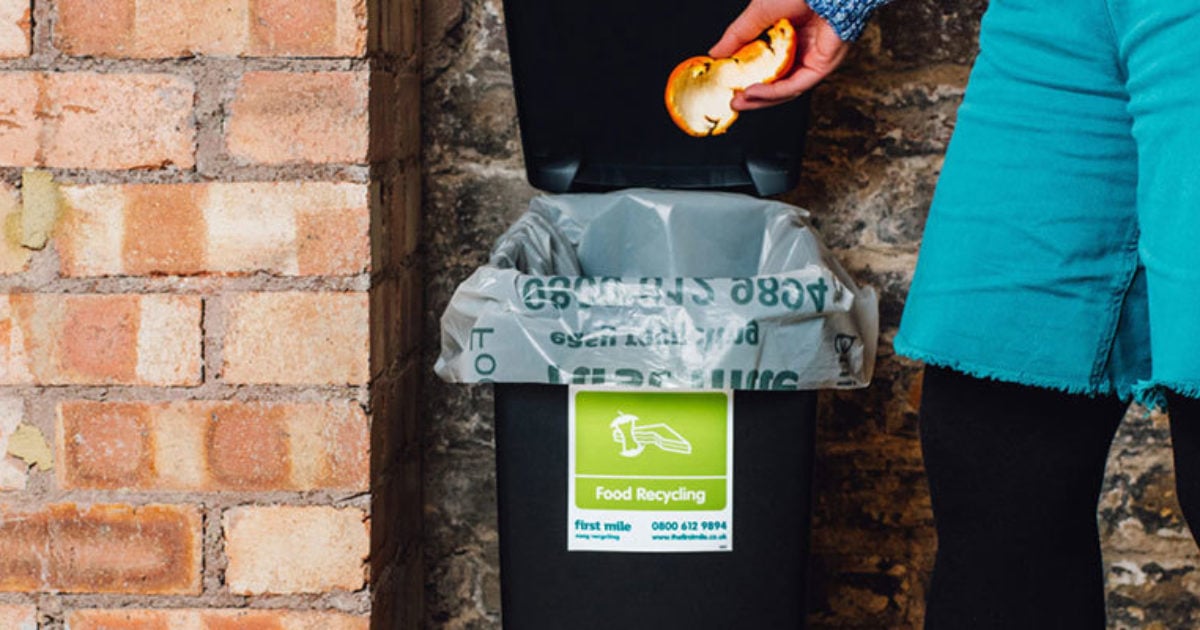
Businesses operating from offices, for example, often manage multiple waste streams such as paper, packaging and general waste through services designed specifically for office environments.
Retailers may also produce large volumes of packaging that can be managed through dedicated services for retail shops.
Clear tracking systems help organisations understand where waste is produced and how it is managed.
How can SMEs prepare for digital waste tracking?
Preparing for digital waste tracking for SMEs doesn’t require complex technology. In many cases, it simply starts with better visibility and record keeping.
Businesses can prepare by reviewing their current waste processes.
Here’s a simple checklist to help you prepare effectively:
- Review your current waste collections and processes
- Check that your waste carriers are properly licensed
- Confirm where your waste is taken for treatment or recycling
- Ensure waste documentation is stored securely
- Improve visibility of waste volumes across your business
- Work with a waste partner that supports digital reporting
Knowing where your waste streams go is important for compliance with wider business recycling compliance requirements.
Waste streams such as paper and cardboard can often be tracked more accurately when separated properly.
Businesses that generate mixed recyclable materials may also benefit from services with this assorted waste stream in mind.
Taking these steps now can make future digital waste compliance much easier to manage.
Do small businesses need their own waste tracking software?
Many SMEs assume they’ll need to purchase dedicated waste tracking software to manage digital waste records.
In reality, many organisations rely on their waste management provider to handle tracking and reporting.
There are several ways businesses can manage commercial waste tracking:
- Government systems designed for digital waste reporting
- Provider managed waste tracking systems
- Third party waste tracking software platforms
For most SMEs, working with a provider that offers a built-in business waste tracking system is the simplest approach.
Waste service providers like First Mile can supply:
- Digital reporting dashboards
- Automatic waste transfer documentation
- Accurate tracking of waste volumes
- Compliance reporting support
First Mile’s business waste and recycling services offer all of these benefits to make recycling compliance as simple and reliable as possible.
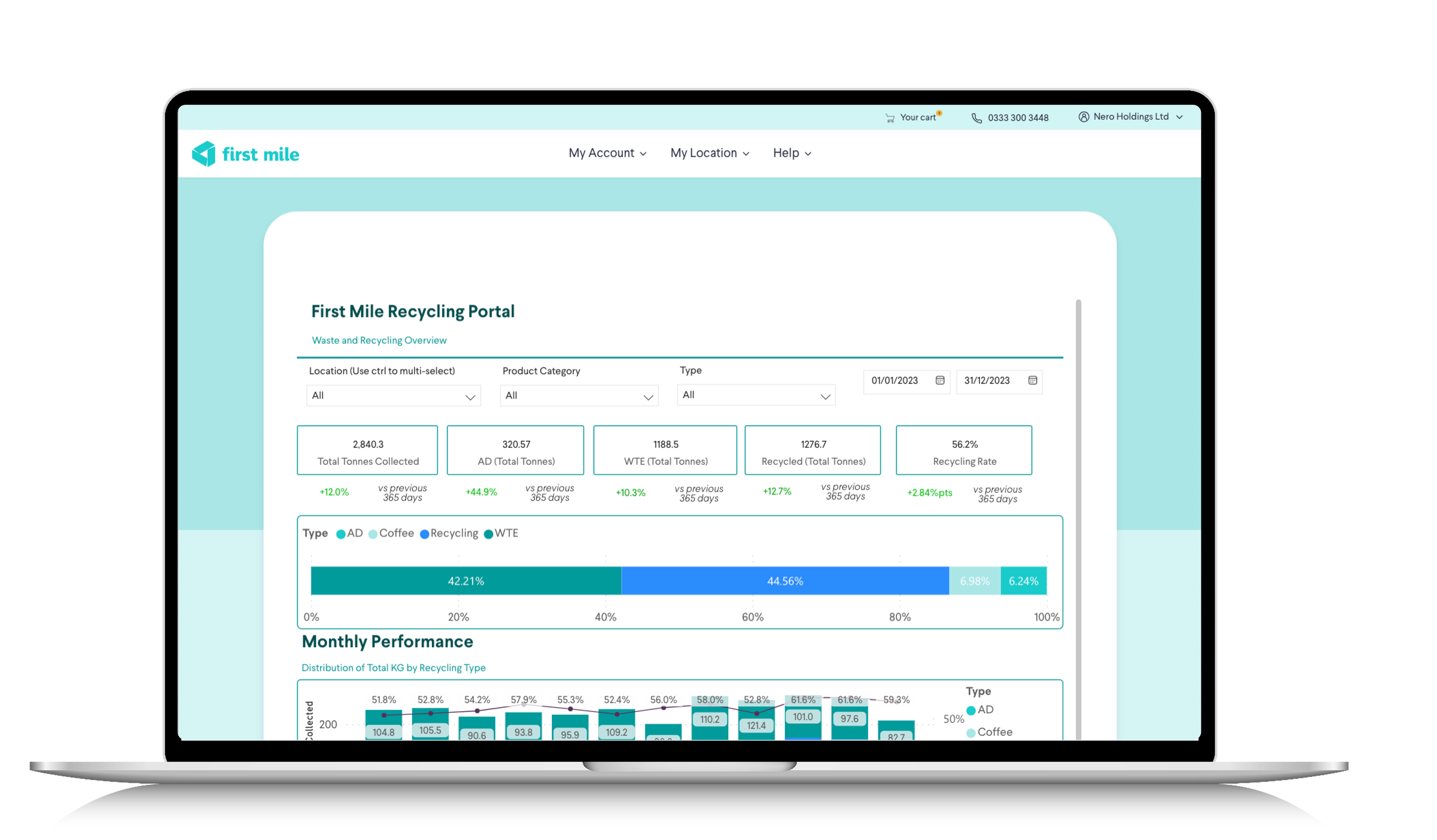
How RecycleID™ helps businesses track waste in real time
Digital waste tracking becomes much more powerful when businesses can see waste data in real time.
At First Mile, our RecycleID waste tracking system provides this level of visibility.
RecycleID™ is designed to support accurate digital waste tracking for SMEs, particularly on multi-tenant or complex sites.
The system works by combining several technologies:
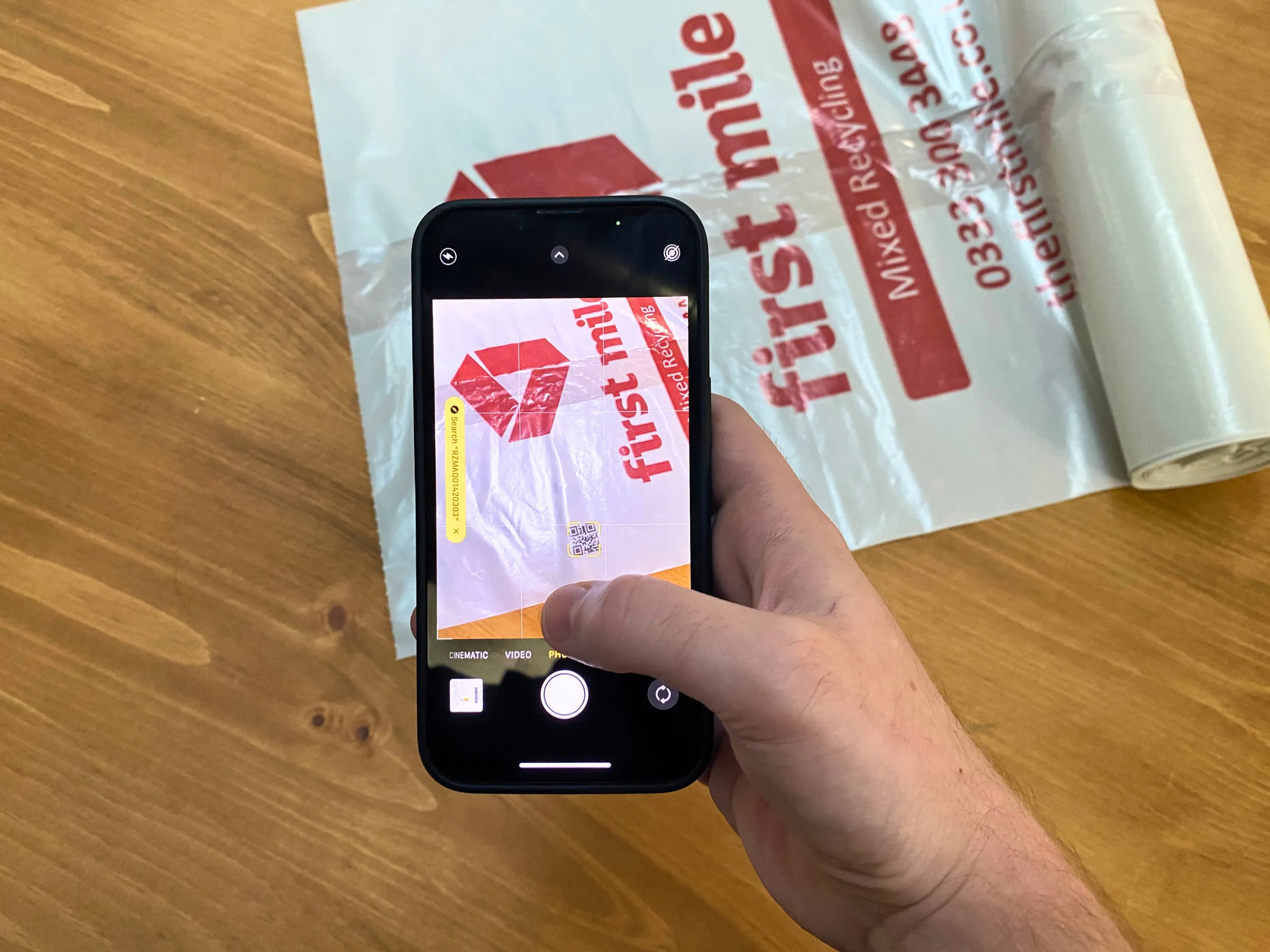
- QR coded sacks that identify the source of waste
- App based scanning that records waste movements
- Weighing platforms that measure waste quantities
- Reporting dashboards that collect and analyse data
This approach creates detailed waste movement records for every collection.
Businesses can track waste by:
- Tenant
- Store
- Department
- Area within a building
This level of visibility enables:
- Fairer allocation of waste costs
- Improved recycling accuracy
- Clearer sustainability reporting
- Easier compliance documentation
Systems like this show how digital waste tracking can support smarter waste management across modern cities.
Why digital waste tracking matters for sustainability and smart cities
Better waste data does more than support compliance. It also helps businesses make more informed sustainability decisions.
When organisations track waste accurately, they gain clearer insights into how materials move through their operations.
This information can help businesses:
- Improve recycling rates
- Identify opportunities to reduce waste
- Support ESG and sustainability reporting
- Contribute to smarter urban infrastructure
Reducing waste sent to landfill also has significant environmental benefits.
Better data allows organisations to understand the wider advantages of compliant recycling and responsible waste management.
Digital tracking therefore supports both business recycling compliance and long term sustainability goals.
Making SME waste tracking simpler with digital tools
The shift towards digital systems is transforming how businesses manage waste.
For small and medium-sized businesses, SME waste tracking will become increasingly important as the UK moves towards digital waste records and stronger compliance requirements.
Businesses still have a vitally important duty of care. Having accurate digital waste records makes it much easier to demonstrate compliance and ensure waste is handled properly.
Solutions like First Mile’s RecycleID™ show how modern tracking systems can provide clearer visibility into waste data while supporting compliance and sustainability goals.
Understanding these systems now will help businesses stay ahead of evolving waste regulations.
Find out how RecycleID™ can help your business track waste more accurately and stay ahead of digital waste regulations.

What is digital waste tracking in the UK?
Digital waste tracking is a system that records the movement of waste using digital records instead of paper documentation.
It creates traceable waste movement records showing where waste was produced, who transported it and where it was processed.
The goal is to improve transparency, accountability and regulatory oversight.
Does digital waste tracking apply to SMEs or only to waste operators?
Waste receiving sites are the first groups involved in rollout phases.
However, SMEs still have legal responsibilities under the waste duty of care for businesses. Businesses must ensure their waste is handled by authorised carriers and taken to legitimate facilities.
What information will businesses need to record for each waste movement?
Typical business waste record keeping includes:
- Type of waste produced
- Quantity of waste
- Waste carrier details
- Destination treatment facility
- Waste classification codes
These records help ensure compliance with waste regulations.
Do small businesses need waste tracking software?
Not always. Many SMEs rely on their waste management provider to manage commercial waste tracking and documentation.
Some businesses may also choose third party waste tracking software depending on their reporting needs.
How can an SME check whether its waste carrier and receiving site are legitimate?
Businesses should verify that their waste carrier holds a valid waste carrier licence and that the receiving site is authorised to accept that waste type.
Maintaining these checks helps ensure compliance with waste compliance for small businesses and protects organisations from potential regulatory issues.