





If you manage multiple locations, like retail parks, shopping centres, campuses or mixed-use developments, the Deposit Return Scheme will add a new layer to your day-to-day operations.
At its simplest, DRS logistics is about handling returned drinks containers. Customers pay a deposit when they buy a drink and get it back when they return the empty container.
For your business, that means:
- Accepting returned containers
- Storing them safely on site
- Arranging collection through the scheme
For a single site, this might be manageable. Across multiple locations, it quickly becomes a challenge involving return points, storage areas, collection logistics and tenant coordination.
This guide explains how to approach Deposit Return Scheme logistics across your estate and build a system that works in practice.
What the Deposit Return Scheme means for businesses
The Deposit Return Scheme is designed to increase recycling rates by making it easy for customers to return drinks containers.
In simple terms:
- Customers pay a small deposit when buying a drink
- They get the deposit back when they return the empty container
Containers that are included in the scheme are:
- Plastic bottles
- Aluminium cans
- Steel cans
For businesses, this introduces new responsibilities.Depending on your setup, you may need to:
- Charge the deposit at point of sale
- Accept returned containers
- Store containers safely and separately
- Arrange collections through the scheme operator
Requirements will vary according to store size, location and eligibility for DRS return point exemptions.
For estates, this isn’t just about individual units. It’s about how the whole site manages returns, storage and collections together.

What is reverse logistics in the Deposit Return Scheme?
Most businesses are set up for products moving in one direction. Goods come in, get sold and leave with customers.
DRS introduces the opposite flow. This is called reverse logistics.
In practice, it looks like this:
- Customer returns container
- Return point accepts it
- Container is stored on site
- Scheme operator collects it
- Material is recycled
Each step needs planning. Across large estates, DRS reverse logistics planning will involve:
- Multiple retailers handling returns
- Shared storage areas
- Coordinated collection routes
Getting this flow right is key to making DRS work smoothly for your business.
Why DRS logistics is more complex for multi-site estates
Managing multi-site DRS planning is very different from managing a single location.
You’re not just dealing with one operation. You’re coordinating many.
Here are a few common challenges:
Multiple retailers
- Different tenants may sell drinks
- Each may have different responsibilities under DRS compliance for retailers
Shared public spaces
- Return points need to be easy for customers to find and use
Limited storage space
- Containers must be stored before collection
- Space is often already under pressure
Coordinating collections
- Large estates can generate high volumes
- Collection schedules need to be efficient
Customer experience
- Poorly placed return points can cause queues, mess or confusion
This is where a joined-up approach to multi-tenant recycling logistics becomes critical. Estate managers need to treat DRS as a shared system, not a collection of individual responsibilities.
Do all retailers on a multi-tenant estate need their own return point?
This is one of the most common questions in DRS operational planning.
Some retailers that sell drinks will be required to host a return point. However, exemptions may apply depending on:
- Store size
- Proximity to another return point
- Physical space constraints
These DRS return point exemptions actually allow flexibility in how return infrastructure is set up.
For estates, this creates an opportunity to coordinate return systems across tenants. For example, a shopping centre might install a central return point, meaning individual stores do not need their own.
This leads to:
- Simpler operations
- Fewer machines to manage
- Easier navigation for customers
Can a shopping centre or retail park use a shared return point?
Yes. Many estates will rely on shared return points as part of their DRS infrastructure planning. This is especially relevant when planning DRS for shopping centres, where multiple tenants and high visitor numbers make centralised systems more practical.
These can take different forms:
- Reverse vending machines in common areas
- Manual return counters
- Dedicated return hubs in service areas
These logistics allow multiple tenants and visitors to use the same system.
Shared infrastructure can:
- Reduce duplication of equipment
- Simplify collections
- Improve the customer experience
Estate teams will take responsibility for:
- Machine locations
- Cleaning and maintenance
- Signage and instructions
- Servicing schedules
For more context on how the scheme works, our guide to the Deposit Return Scheme explained provides a useful background.
Choosing the right DRS logistics model for your estate
There’s no one-size-fits-all approach to DRS logistics for facilities managers. The right model depends on your estate layout, tenant mix and footfall.
Here are three common approaches to DRS reverse logistics planning:
Centralised return hubs
One or two large return points serve the entire estate.
This solution is ideal for:
- Shopping centres
- Transport hubs
- Stadiums
Advantages:
- Simpler collections
- Clear customer journey
- Less duplicated infrastructure
Anchor tenant return points
Large retailers host return infrastructure, and smaller tenants rely on them.
We expect this to be a common solution for:
- Retail parks
- Grocery-led developments
Advantages:
- Lower infrastructure costs for smaller tenants
- Clear locations for returns
Distributed manual returns
Multiple retailers accept containers manually.
Advantages:
- Lower equipment costs
Challenges:
- More staff training required
- More complex logistics
- Less consistent customer experience
How hospitality venues handle drinks consumed on site
Hospitality settings will operate differently under DRS.
In venues where drinks are consumed on site, such as those covered in cafés, bars and restaurants:
- Staff collect empty containers
- Containers are stored in back-of-house areas
- Collections are arranged through the scheme
This reduces the need for customer-facing return points.
For estates with large hospitality areas, like food halls or leisure venues, the focus is more on internal handling than public return infrastructure.
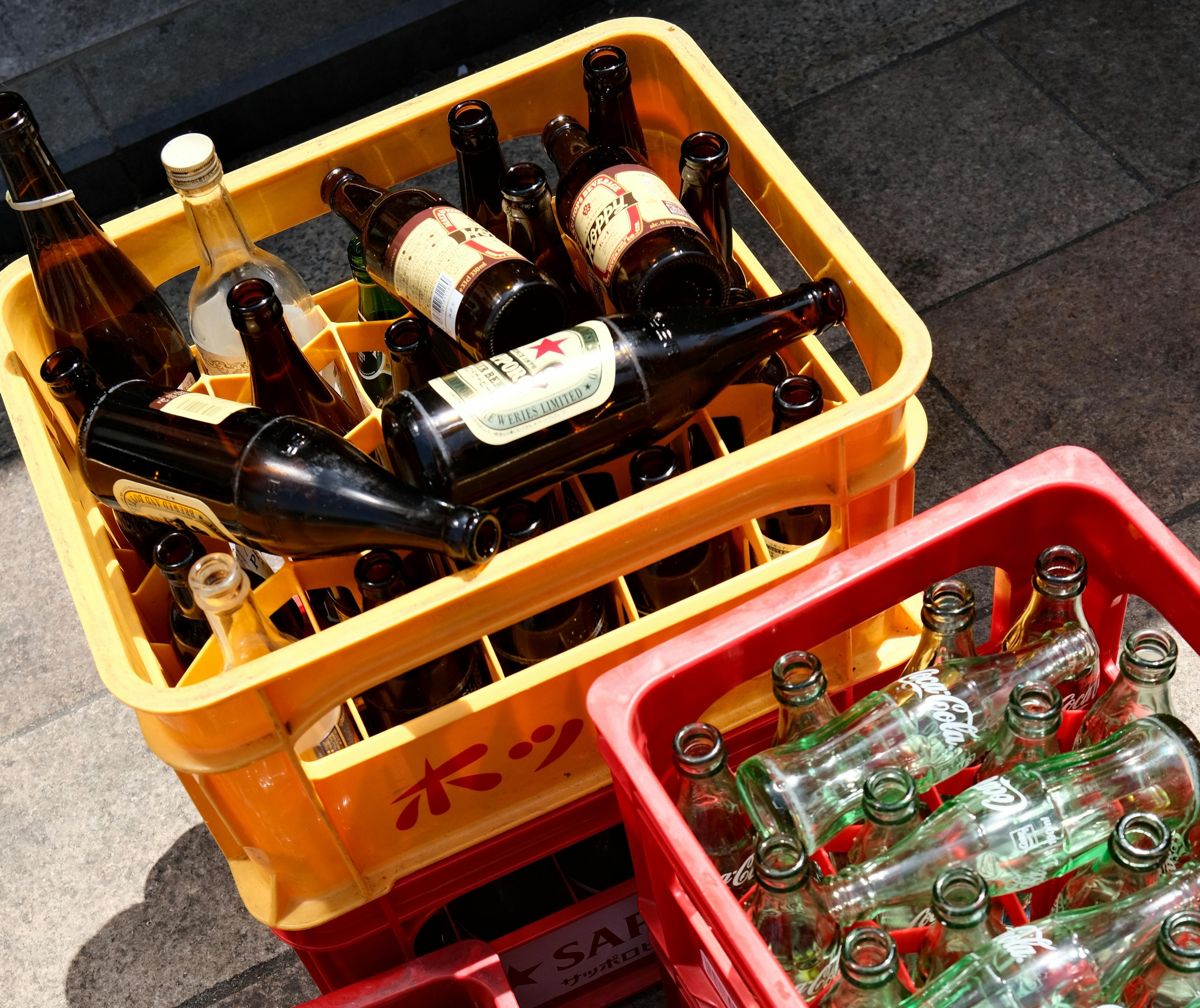
Planning storage and collections for DRS containers
Storage and collection planning are central to effective DRS collection planning.
You’ll need to consider space for:
- Storing returned containers
- Keeping them separate from general recycling
- Maintaining clean and secure storage areas
This is where DRS container storage becomes a key operational factor.
Collection planning should cover:
- Frequency of collections
- Vehicle access points
- Storage capacity
- Peak periods such as weekends
For example, high-footfall retail parks may need more frequent collections to keep things running smoothly.
How DRS could affect your current waste contracts
DRS will change how certain waste streams are managed.
Containers that currently go into recycling may instead be returned through the scheme. This can impact your wider estate waste management strategy.
Possible changes could be:
- Reduced recycling volumes
- Adjustments to collection schedules
- New service requirements
You may also see changes in streams such as glass recycling or food recycling.
Reviewing your contracts early helps avoid disruption.
How to start preparing your estate for DRS logistics
Early planning is key to strong DRS site readiness.
Here’s a quick, practical checklist for mixed-use estates when implementing DRS:
- Identify all tenants selling drinks
- Assess potential return point locations
- Review storage areas
- Plan collection logistics
- Coordinate responsibilities across tenants
- Speak with your waste partner
Planning ahead allows you to test your DRS operational planning before rollout and avoid last-minute challenges.
For more information, check out our preparation guide for the Deposit Return Scheme 2027 or dive deeper with our Deposit Return Scheme webinar.
Make DRS logistics work across your estate
DRS will introduce a new reverse flow of materials for any business that sells drinks.
For estates with multiple sites or tenants, this creates a shared logistics challenge. Return points, storage and collections all need to work together.
A well-planned approach to DRS logistics makes compliance easier and reduces disruption across your estate.
With the right support, you can design systems that work for your space, your tenants and your customers.
Speak to First Mile about preparing your estate for DRS logistics with our business waste and recycling services.
FAQs about DRS logistics for multi-site estates
How should a multi-site estate plan DRS logistics before rollout?
Start by mapping all tenants that sell drinks and understanding their obligations.
Then focus on:
- Identifying suitable return point locations
- Planning shared infrastructure where possible
- Assessing storage capacity
- Coordinating collection logistics
This structured approach supports effective multi-site DRS planning.
How much space do businesses need for DRS container storage?
Storage requirements depend on:
- Visitor numbers
- Volume of containers returned
- Frequency of collections
Higher footfall sites will need more space or more frequent collections to manage DRS container storage effectively.
Who collects returned containers under the Deposit Return Scheme?
Collections are managed by the scheme operator responsible for running DRS.
They arrange:
- Collection schedules
- Transport of materials
- Delivery to recycling facilities
This is a key part of Deposit Return Scheme logistics.
What happens if customers return a container to a different retailer?
Customers can return containers to any participating return point, regardless of where they bought the drink.
This flexibility is central to how DRS logistics for businesses works.
How should facilities managers separate DRS containers from other recycling?
Containers should be:
- Stored separately from other waste streams
- Clearly labelled
- Kept clean and uncontaminated
This ensures smooth collections and supports efficient DRS reverse logistics.