




At a glance
- The UK Deposit Return Scheme (DRS) is due to launch in October 2027
- It applies to plastic bottles and metal drinks containers
- Most offices are not directly obligated like retailers
- You might be affected if you sell drinks, for example through a canteen or vending machines
- Offices can choose to become a voluntary return point, but usually do not have to
- DRS will sit alongside your existing recycling, not replace it
If you manage an office, workplace or multi-site business, you might be wondering where the Deposit Return Scheme fits into your day-to-day operations.
Most DRS guidance focuses on retailers. But offices have their own questions. What happens if you have vending machines? What about staff kitchens, hybrid working and shared spaces? Do you need a return point?
In this guide, we’ll explain the deposit return scheme for offices in simple terms. We’ll cover what is changing, where your workplace could be affected and what facilities managers can do now to prepare calmly and practically.
What is the deposit return scheme and how will it affect offices?
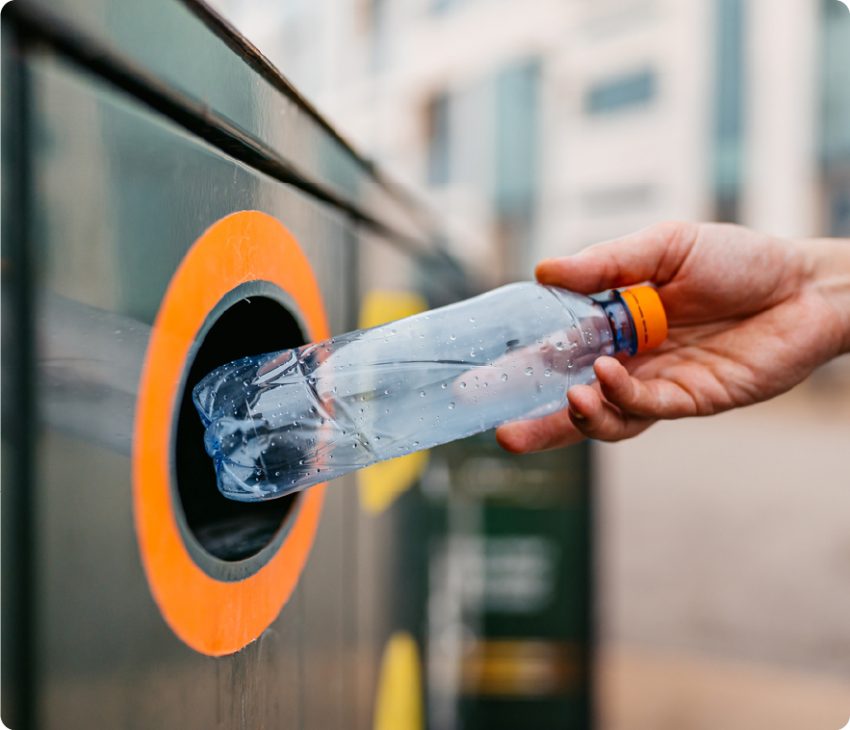
The Deposit Return Scheme is being introduced to increase recycling of drinks containers. When someone buys a drink in an eligible plastic bottle or metal can, they pay a small deposit. They get that deposit back when they return the empty container through an approved return point.
The scheme is expected to launch in October 2027 across the UK, although there are some differences between nations. England, Scotland and Northern Ireland are aligned around plastic and metal drinks containers. Wales has taken a different approach in some areas, including glass.
For consumers, DRS changes how they return bottles and cans. For retailers, it creates new responsibilities around selling drinks and accepting returns.
For workplaces, it’s a bit more nuanced. Offices aren’t the main focus of DRS, but it still matters where drinks are sold, provided or consumed across your space.
Does DRS apply to workplaces that do not sell drinks to the public?
If your workplace only provides free drinks for employees, you are unlikely to be treated like a retailer for DRS purposes.
That said, your responsibilities depend on what actually happens in your workplace. A simple staff kitchen is very different from a paid canteen, vending machine or micro market.
A helpful way to think about it:
- Free drinks for staff — Usually not a direct retail-style obligation
- Drinks sold to staff or visitors — Might trigger DRS responsibilities
- Public-facing sales — More likely to fall within retailer-style rules
- Shared office buildings — Responsibilities may sit with landlords, operators or suppliers
The key is not to assume. Take time to review how drinks move through your workplace before 2027.
Who in an office environment may be affected by DRS?
DRS for facilities managers becomes relevant wherever drinks are sold, stored, consumed or collected in the workplace. Common office scenarios include:
- Office cafés or canteens selling bottled or canned drinks
- Vending machines operated on-site
- Micro-markets or honesty fridges where staff pay for drinks
- Events and catering where drinks are supplied in bulk
- Shared tenant spaces with centralised waste and recycling points
You might also need to think about visitors, contractors and employees bringing in drinks from outside. Even if your business is not directly responsible for deposits, those containers could still end up in your bins.
That is why office waste management DRS planning should also cover behaviour, signage and collection points.
Will offices need to become a return point under the new DRS rules?
In most cases, offices won’t be required to operate a return point. These are expected to apply mainly to retailers selling drinks covered by the scheme.
That said, some workplaces may choose to set up a voluntary return point. That means a business could choose to collect eligible bottles and cans on-site, even if it isn’t required to do so. A voluntary return point could support:
- Staff convenience
- Sustainability goals
- Cleaner shared spaces
- Better container capture
- Stronger workplace recycling before DRS becomes business as usual
For most offices, the right answer will be to understand your drinks setup, then choose the simplest workable option.
If your workplace already has complex recycling needs, First Mile’s office recycling services can help you review the best approach.
Can an office become a voluntary return point for bottles and cans?
Some offices can choose to become a voluntary return point. This could make sense for:
- Large offices with high footfall
- Campuses or multi-site workplaces
- Businesses with high drinks consumption
- ESG-led organisations looking to improve recycling outcomes
- Offices where staff convenience is a priority
There are different ways to manage this. Some workplaces use simple collection points with clear signage. Others explore reverse vending machines.
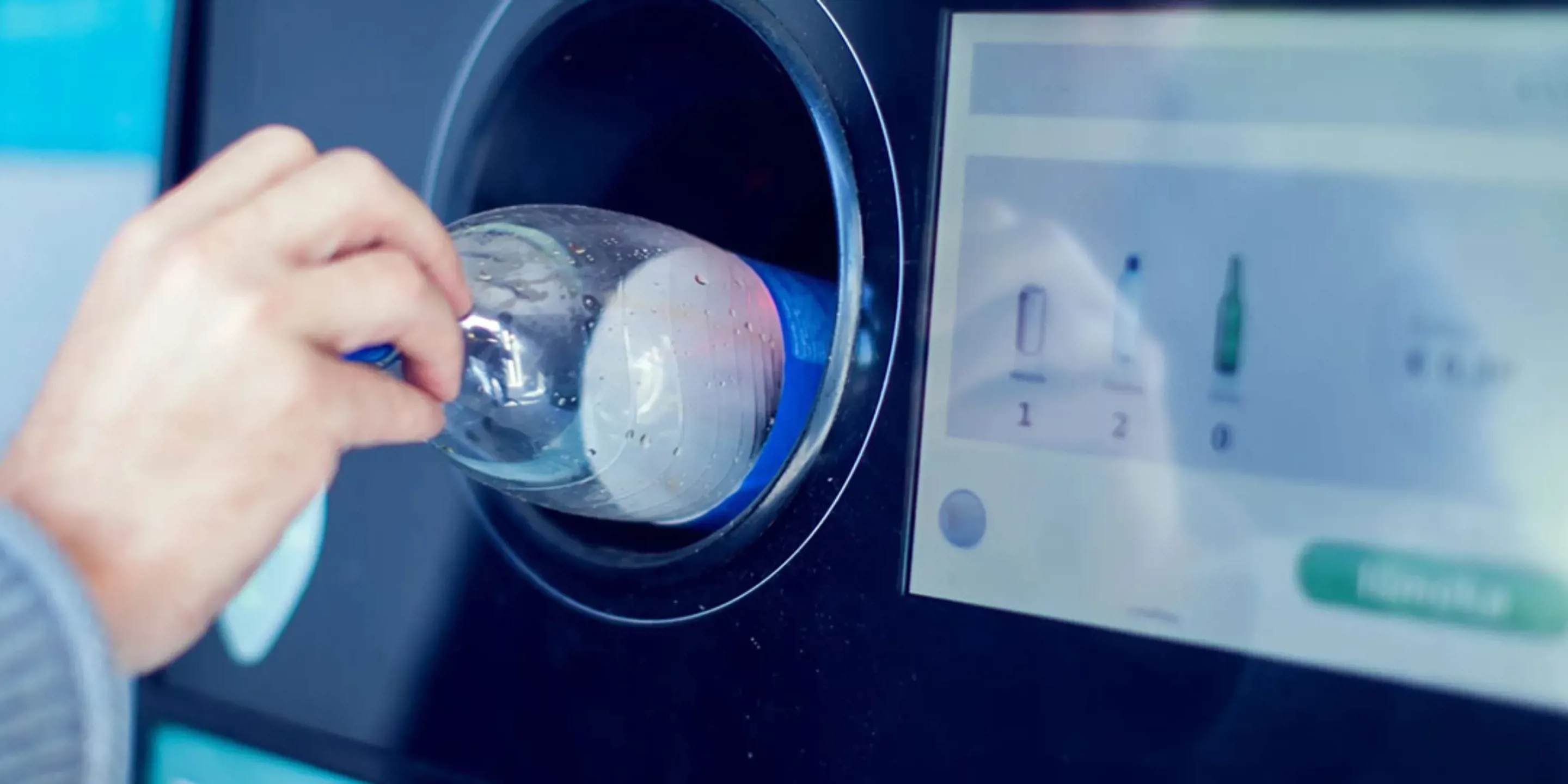
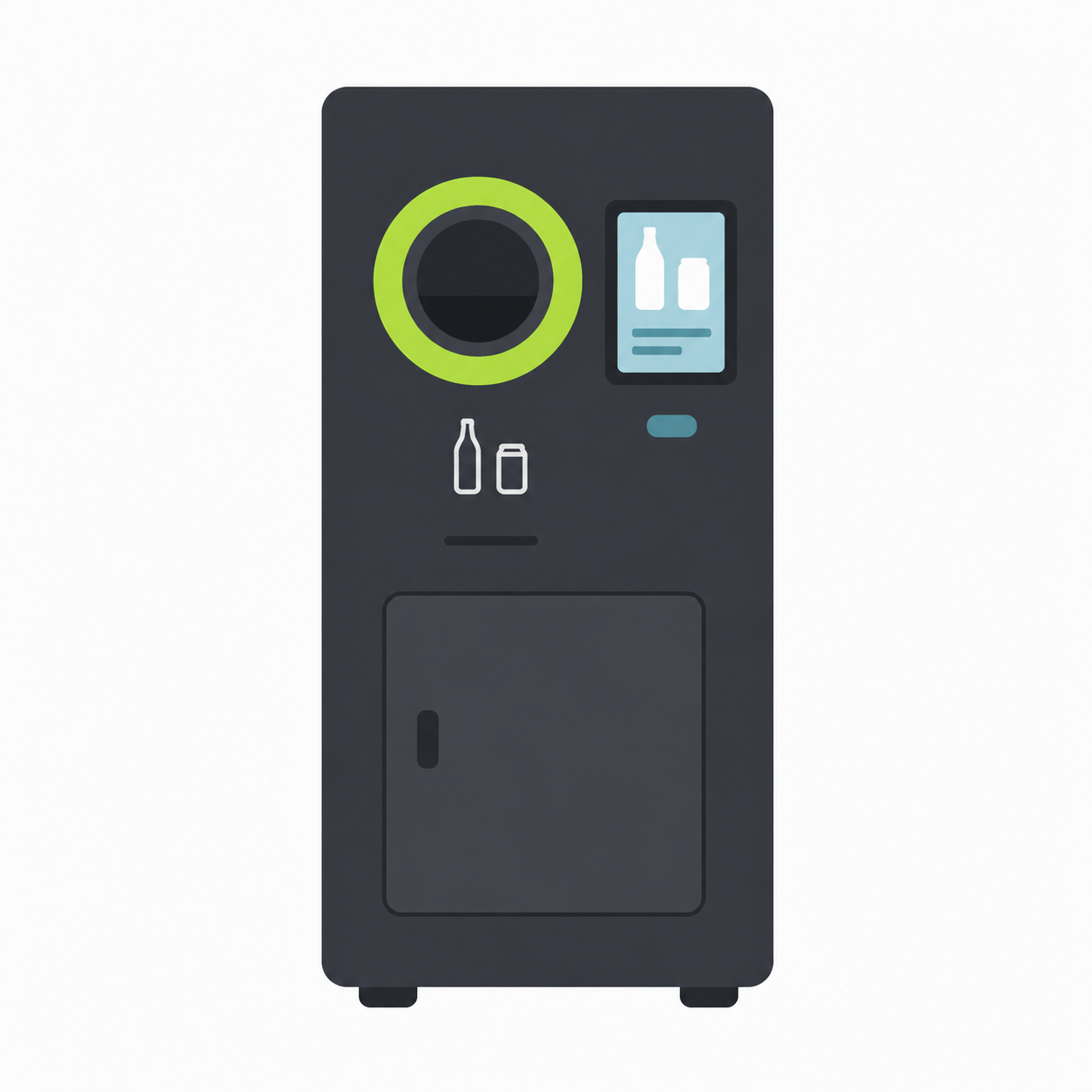
A reverse vending machine accepts empty containers and supports the return process. It can be useful, but it isn’t essential and won’t suit every office.
How does DRS work for office vending machines and canteens?
Vending machines and canteens are two of the most important areas to review.
If drinks are sold through workplace vending machines, deposits could apply to eligible containers. The same might be true for canteens selling bottled or canned drinks to staff, visitors or contractors.
In many offices, vending machines are managed by a third-party supplier. Canteens can also be operated by an external catering partner. That means your first step should be to check contracts and confirm who will manage deposits, labelling, returns and reporting.
You might also hear the phrase “consumed on premises”. This refers to drinks that are bought and consumed at the same site. The rules can affect how returns are managed, so it’s worth clarifying with suppliers.
For workplace planning around DRS vending machines, it’s best not to wait until launch. Ask suppliers what they are preparing now.
How should facilities managers plan for DRS in hybrid workplaces?
Hybrid workplaces can make recycling less predictable. Some days the office is quiet. Other days meeting rooms, breakout areas and kitchens fill up quickly. That makes hybrid workplace recycling a key part of office DRS planning. Facilities teams should focus on simple, consistent systems:
- Use clear signage near bins, kitchens and vending areas
- Keep recycling points easy to find
- Make bottle and can collection visible
- Plan for busier office days
- Use the same messaging across floors or sites
- Remind staff what should go where
The goal should always be to reduce confusion. People are more likely to use the right bin or return point when the system is obvious, convenient and consistent.
How will DRS interact with existing office recycling and waste collections?
DRS won’t replace your existing recycling. Offices will still need general recycling, food waste, confidential waste, glass collections where relevant and regular business waste services.
The office recycling deposit return scheme simply adds another layer for eligible drinks containers.
For facilities managers, the main job is to stop systems clashing. If bottles and cans are mixed into general recycling, staff may miss the chance to return them. If DRS containers are poorly stored, they can create clutter or contamination. A good setup should answer three questions:
- Where should staff put bottles and cans? — This reduces confusion
- Who collects or returns them? — This creates accountability
- How does this fit existing collections? — This keeps waste operations simple
First Mile can help simplify business waste and recycling so DRS works with your current setup, not against it.
What should offices do before the DRS launch in 2027?
You do not need to overhaul everything at once. The best approach is to prepare step by step. Use this checklist to get started:
- Review how drinks are provided or sold — Check kitchens, vending machines, cafés, catering and events.
- Identify affected areas — Look for any place where plastic bottles or metal cans are bought, consumed or discarded.
- Clarify supplier responsibilities — Speak to vending, catering and facilities partners about DRS plans.
- Decide whether you need a return point — Most offices will not, but some may choose a voluntary setup.
- Plan storage space — Think about where returned containers can be kept cleanly and safely.
- Update signage and staff comms — Keep instructions short, visual and consistent.
- Speak to your waste provider — Make sure DRS works alongside your existing recycling and waste collections.
This is the practical starting point. Begin with what already happens in your workplace, then build from there.
What are the most common DRS mistakes businesses should avoid?
The biggest mistake is assuming DRS doesn’t apply at all. Even if you aren’t directly obligated, bottles and cans will still move through your workplace. Other common mistakes include:
- Over-investing in equipment before understanding your needs
- Ignoring vending machines or catering contracts
- Treating DRS as separate from office recycling
- Forgetting staff communication
- Creating return points that are hard to use
- Waiting until 2027 to review current waste flows
Good office DRS planning should be practical, proportionate and based on how your workplace really operates.
Your next steps
DRS doesn’t need to be complicated for offices. For most workplaces, it’s about understanding where drinks are sold or consumed, how containers are collected and how staff will know what to do.
Need a hand getting your workplace ready for DRS? First Mile can help you plan a simple, effective approach when you get in touch.
DRS for offices and hybrid workplaces FAQs
What is the Deposit Return Scheme and how will it affect offices?
The Deposit Return Scheme adds a small deposit to drinks containers, which is refunded when they are returned. Most offices will not be directly regulated, but may need to adapt how they manage drinks, recycling and waste.
Does DRS apply to offices that do not sell drinks?
Usually not. If your workplace only provides free drinks, you are unlikely to have direct DRS obligations. However, you may still want to prepare for how containers are collected and recycled.
Do offices need a return point for bottles and cans?
In most cases, no. Offices are not typically required to operate return points, but some may choose to set up a voluntary system to support staff and sustainability goals.
How does DRS work for vending machines in workplaces?
If drinks are sold through vending machines, deposits may apply. Responsibility for managing DRS often depends on the vending supplier, so it is important to review your contracts.
Can employees return drinks containers at work?
Only if the workplace provides a return point. Otherwise, employees will need to return containers at public locations such as supermarkets or designated return points.
Is a reverse vending machine worth it for an office?
It depends on your size and needs. Larger workplaces with high drink volumes may benefit, while smaller offices can usually manage with simpler collection systems.
What should facilities managers do before 2027?
Start by reviewing how drinks are sold or provided in your workplace, identify any areas affected by DRS and plan simple, clear recycling and communication systems.