

What is the Deposit Return Scheme?
The Deposit Return Scheme is one of the most significant environmental policy shifts in decades.
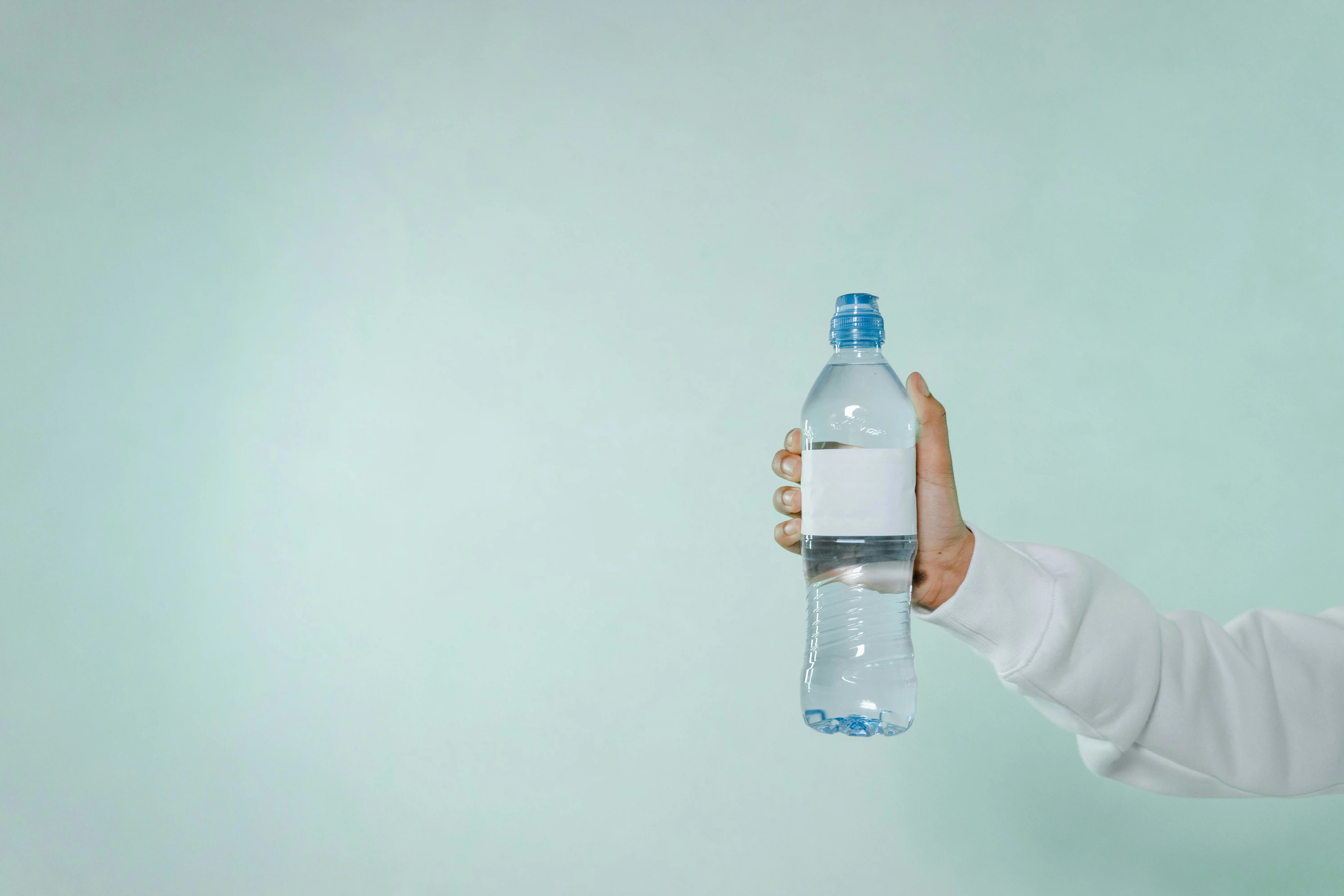
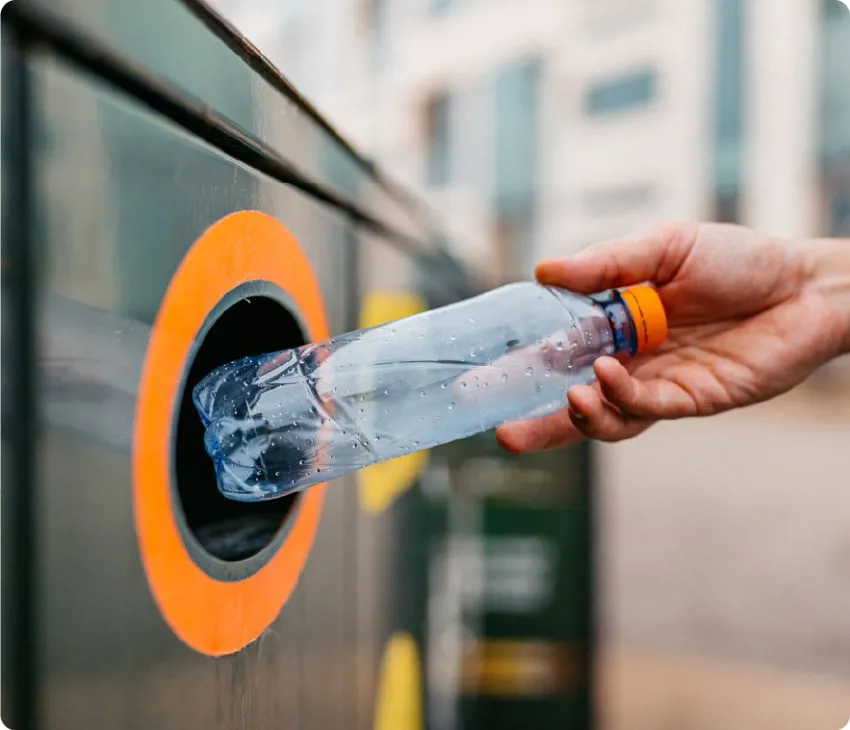
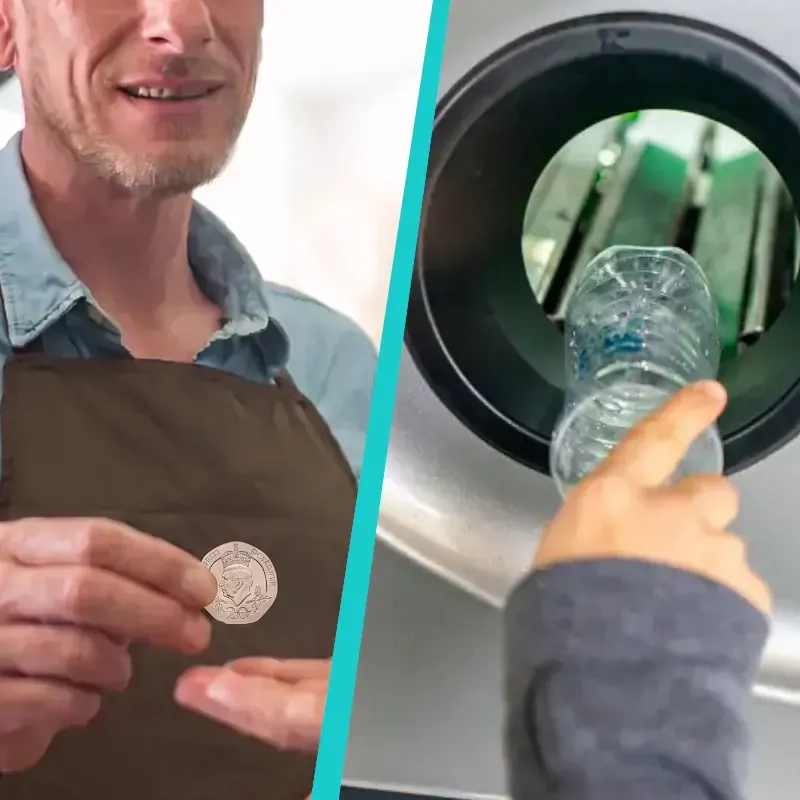
From 1 October 2027, a small refundable deposit (around 20p) will be added to every eligible single-use plastic bottle and aluminium can sold in the UK. Consumers get it back when they return empty containers to a registered collection point or reverse vending machine.
The aim is to divert an estimated 24.5 billion drinks containers per year into a dedicated closed-loop recycling system — dramatically improving recycling quality and reducing litter nationwide.
The DRS affects every business that sells, serves or manages drinks in single-use containers — but obligations vary by sector and size. It will also impact offices and workplaces where staff will need to be able to dispose of cans and bottles to receive their deposit.
Read our full guide to the Deposit Return Scheme for the background and timelines.
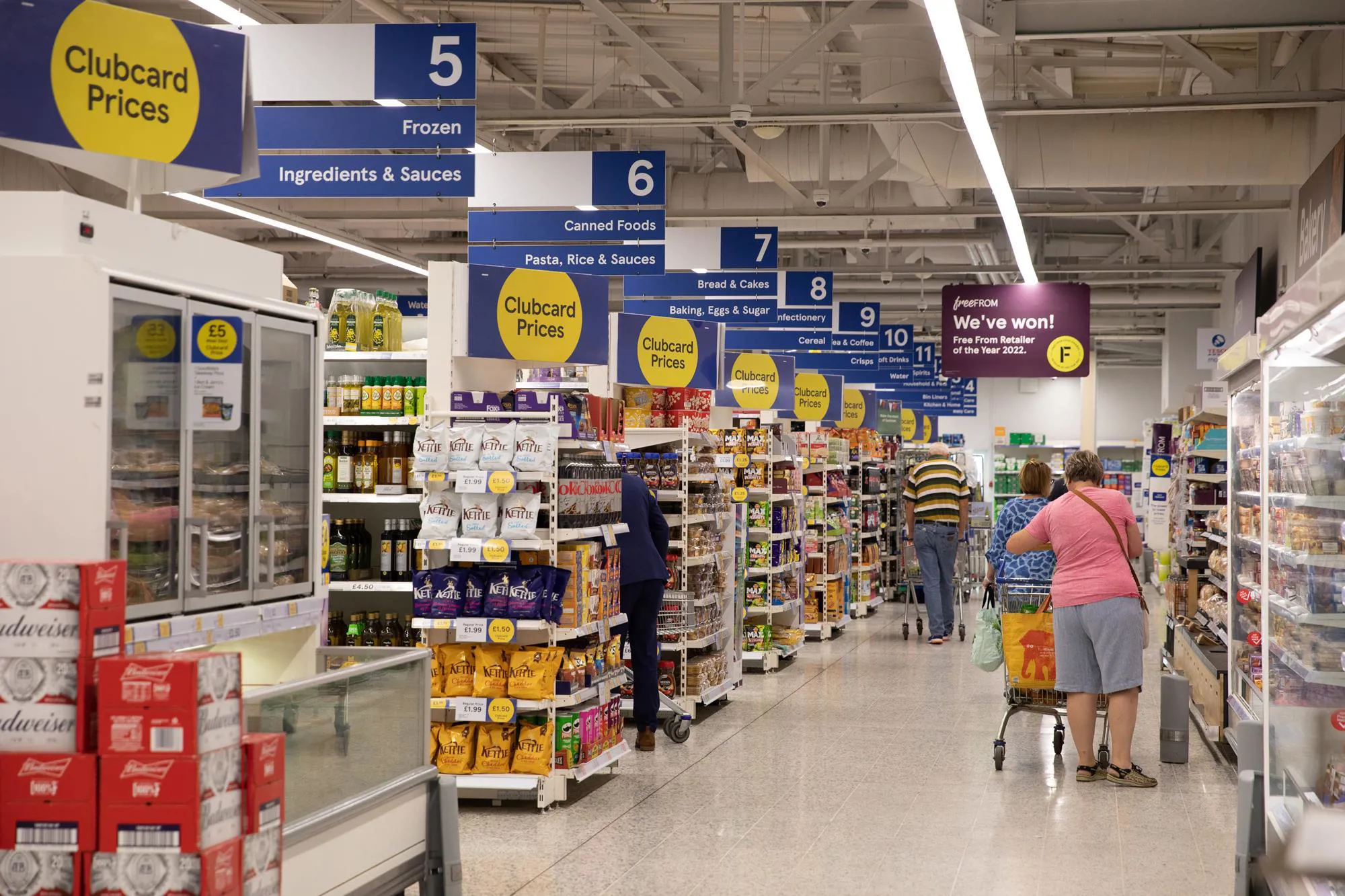
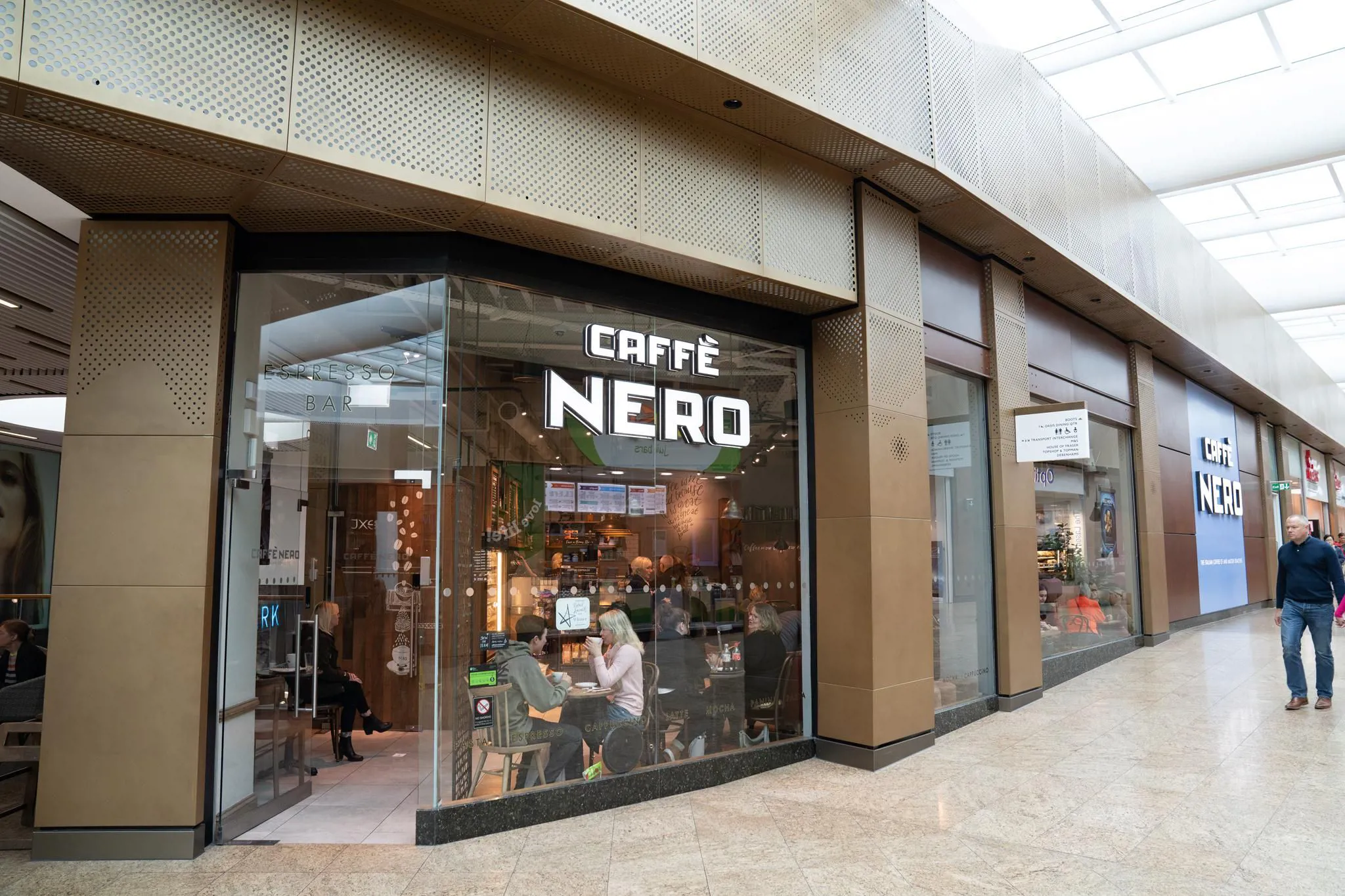
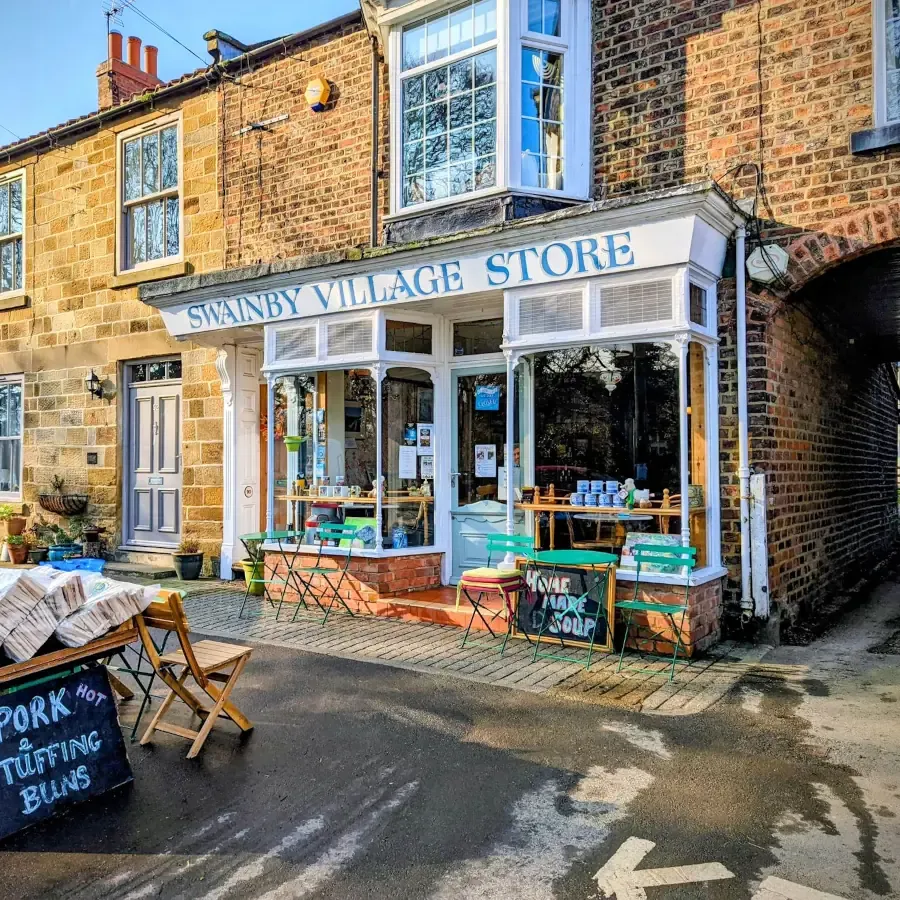
How the DRS Affects Different Sectors
How do manual and automatic return points differ?
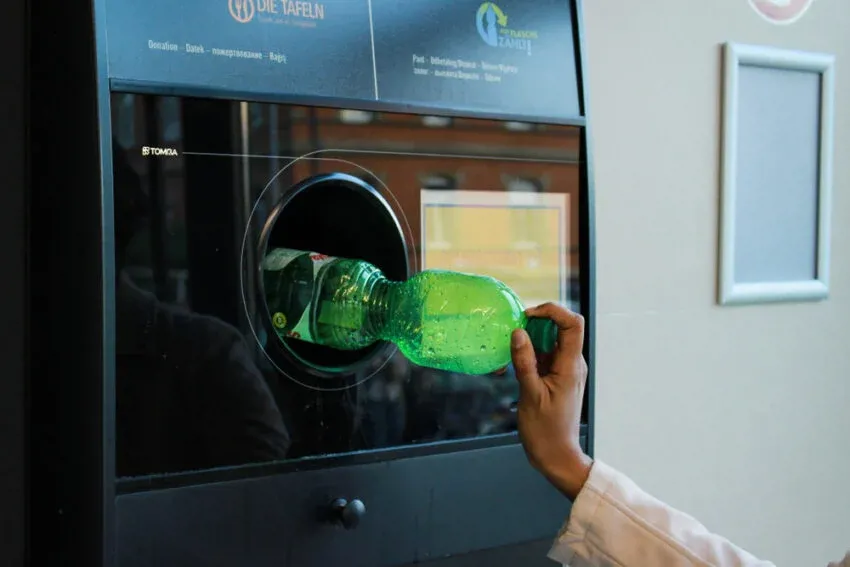
With a manual return point, a member of staff checks each container is in scope and refunds the deposit over the counter. It has a lower upfront cost, but can be harder to manage during busy periods, and containers still need to be bagged, tagged and stored correctly until collection. With a reverse vending machine (RVM), the customer returns containers themselves and the machine checks eligibility and issues the refund automatically. This cuts the day-to-day staff burden but comes with an upfront cost for the machine and a need to plan for its physical footprint.
Which retailers are automatically exempt from hosting a return point?
Automatic exemption only applies to urban grocery retailers with a store footprint under 100m². Stores larger than 200m² are presumed not to qualify for an exemption.
Can stores between 100m² and 200m² apply for an exemption?
Retailers in this size range, in both urban and rural locations, can apply for an exemption, though it isn't automatic. Applications are assessed case by case, based on factors such as site size, proximity to other return points and the physical limitations of the building. Even if an exemption is granted, the retailer must still register with Exchange for Change.
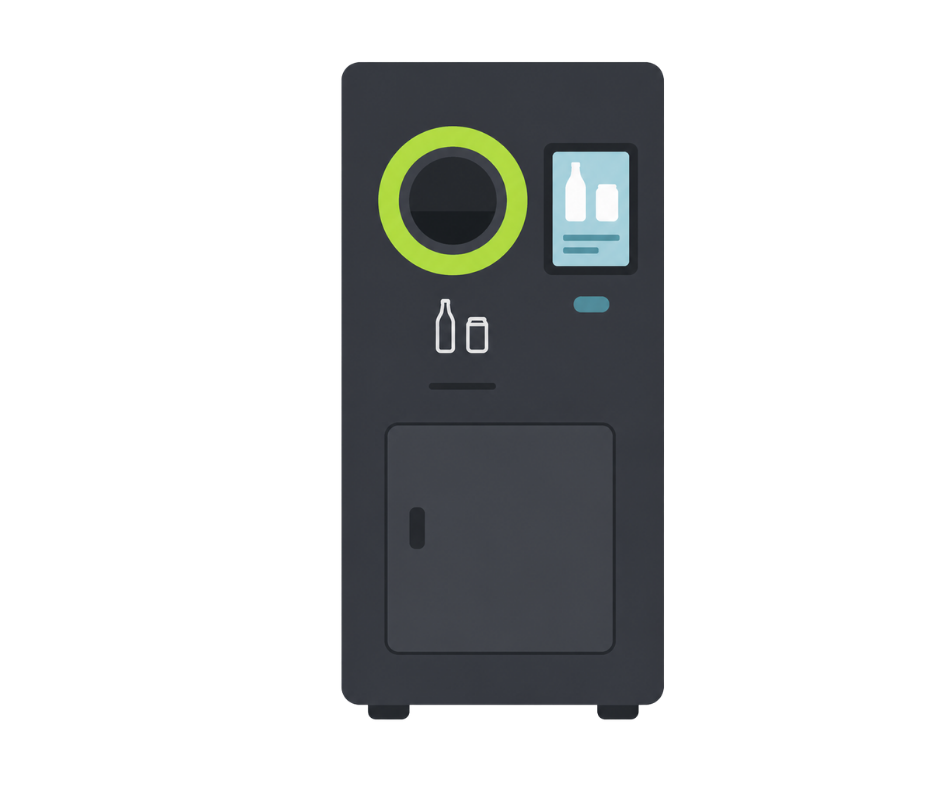
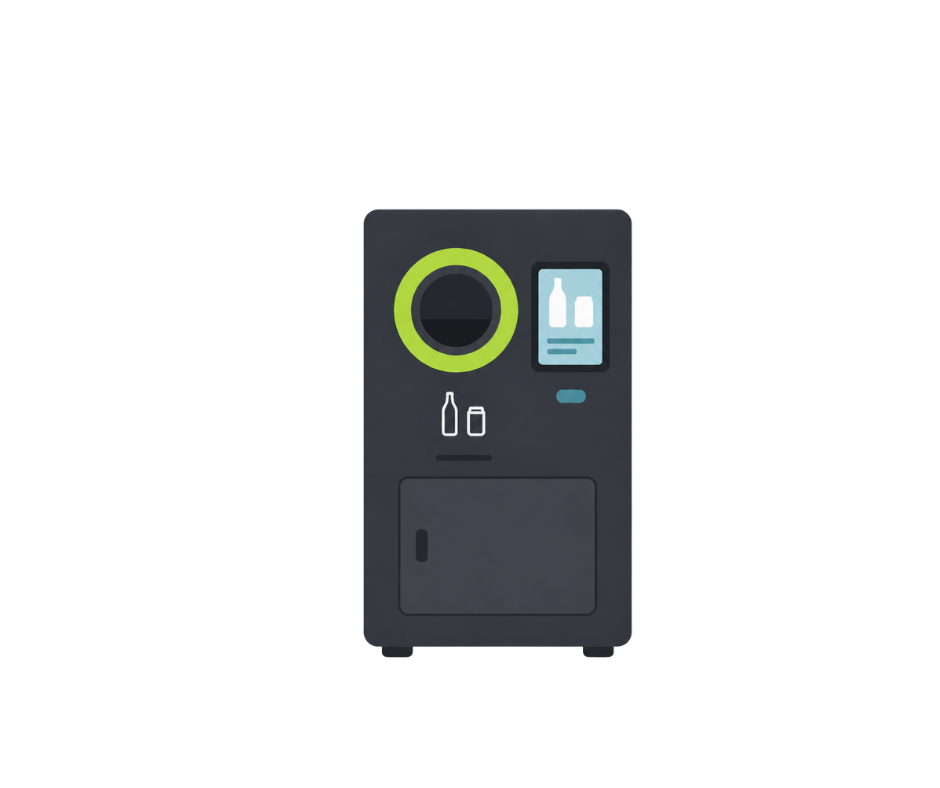
What is a reverse vending machine?
A reverse vending machine (RVM) accepts eligible drinks containers, checks they are part of the scheme, and refunds the customer's deposit. They help retailers comply with Deposit Return Scheme requirements while making returns quick and simple.
Is First Mile's DRS consultation only available to existing customers?
The free consultation is open to both First Mile customers and non-customers. It covers what DRS means for your business, whether individual sites are likely to qualify for an exemption, whether a manual return point or RVM is the better fit, and practical support with layout, storage and processes ahead of launch.
Do retailers get paid for operating a return point?
Accepting returns earns you a returns handling fee, which varies depending on whether you operate a manual return point or an RVM. This helps offset the cost of staff time, storage and machine running as part of your day-to-day DRS operation.