





Retail soft plastics: quick setup checklist
- Identify where soft plastics are created, especially at goods-in and in stockrooms
- Place sacks or bins exactly where packaging is removed
- Use clear sacks for visibility and easier sorting
- Keep materials clean and dry to avoid contamination
- Label bins with simple instructions and images
- Train staff briefly and reinforce regularly
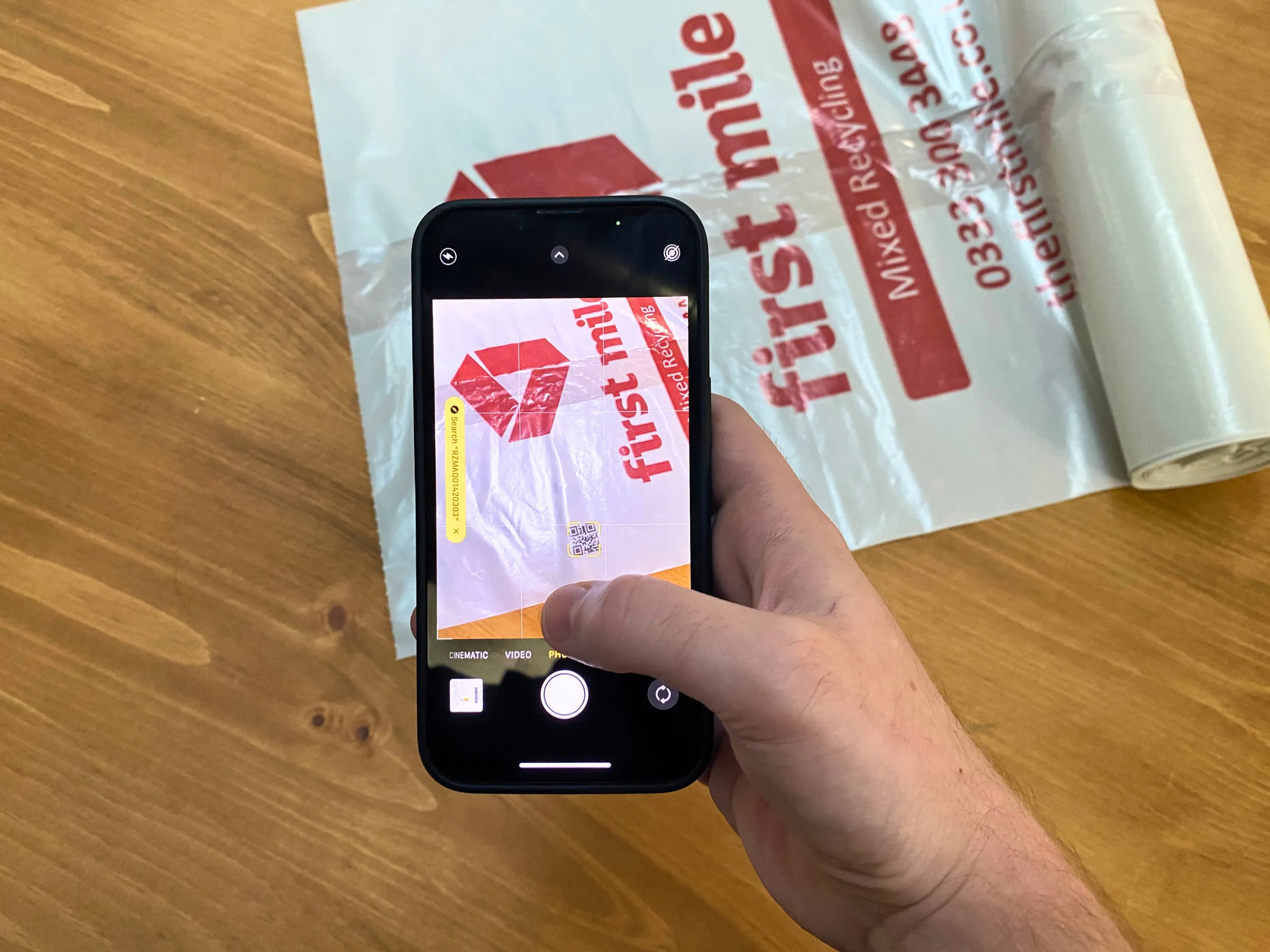
- Arrange collections with a provider like First Mile that accepts plastic film and flexible plastics
If you run a retail store, you handle retail soft plastics every day, from delivery wrap to product packaging.
The challenge is simple. Soft plastics are everywhere, but they often end up in general waste or mixed recycling. Staff aren’t always sure what goes where. Setups can vary between stores. When waste isn’t separated properly, recycling performance drops.
A simple, easy-to-follow internal system can make retail waste segregation much easier. It can also help you prepare for future retail recycling compliance in the UK, including plastic film collection changes expected by 31st March 2027.
Here’s how to set up soft plastics recycling in a busy retail environment, without making your team’s day harder.
What counts as retail soft plastics?
Soft plastics are flexible plastic materials that you can scrunch into a ball. They don’t hold a solid shape like bottles, tubs or trays.
The most common soft plastics in retail are:
- Pallet wrap from deliveries
- Shrink wrap around stock
- Plastic bags and carrier bags
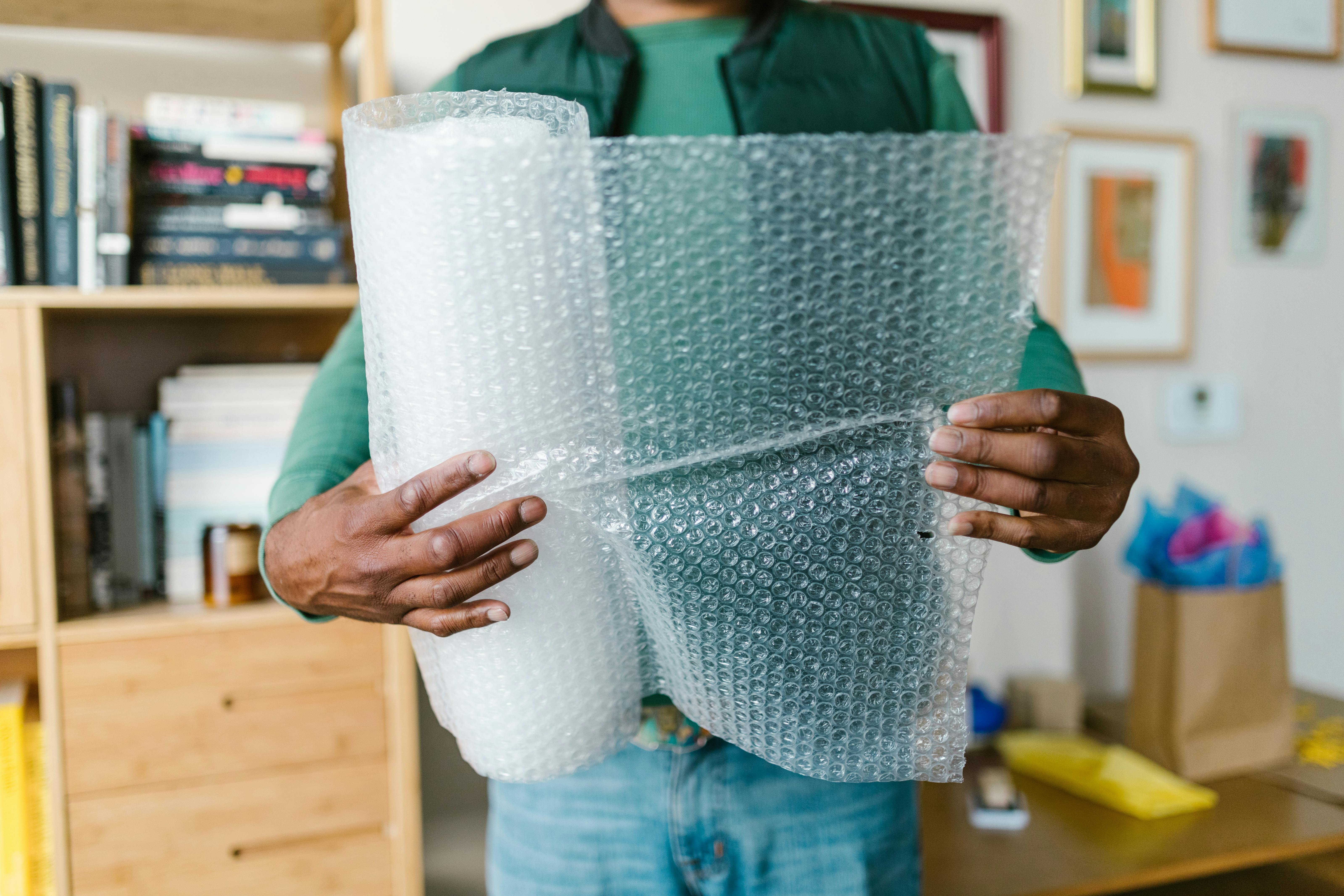
- Bubble wrap
- Plastic mailers
- Food packaging film, where accepted
- Product wrappers and pouches
- Protective plastic film around boxed items
Plastic film is a common type of soft plastic. It’s thin, flexible and often used to protect goods in transit. That’s why plastic film waste in retail stores usually builds up around deliveries, stockrooms and packing areas.

What doesn’t usually count?
- Hard plastics, such as bottles, trays and tubs
- Mixed-material packaging, unless your provider accepts it
- Plastics with food, liquid or heavy residue
The tricky part isn’t spotting soft plastics. It’s separating them consistently, especially when your team’s busy. Getting plastic recycling right at this stage makes everything else easier.
Retail soft plastics vs rigid plastics
|
Material type |
What it means |
Retail example |
|
Soft plastics |
Flexible, film-like plastics that can be scrunched |
Pallet wrap, shrink wrap, carrier bags |
|
Rigid plastics |
Solid plastics that keep their shape |
Drinks bottles, tubs, trays |
These materials need to be separated because they’re processed differently. Mixing film with rigid plastics can cause contamination and reduce recycling quality.
Are retail businesses required to separate soft plastics now?
Retailers already need to separate key recyclable materials from general waste. This includes dry recycling streams like plastic, metal, glass, paper and card.
Soft plastics and plastic film requirements are evolving. Plastic film is expected to be included in the plastic recycling stream from 31st March 2027.
Some retailers already separate soft plastics voluntarily through specialist collections. For workplace recycling in the UK retail sector, getting set up now means fewer changes later.
It also helps you stay ahead of evolving business recycling laws and avoid last-minute disruption.
Where do soft plastics show up in retail operations?
Soft plastics don’t appear in just one place, so your setup should reflect how your store actually works.
Here are the most common hotspots:
- Goods-in: pallet wrap, shrink wrap and delivery film
- Stockroom: packaging film and protective wrap
- Shop floor: packaging from replenishment or returns
- E-commerce packing areas: plastic mailers and film
- Staff areas: food packaging film
This is why pallet wrap recycling in retail usually starts at goods-in. It’s often one of the cleanest and most consistent waste streams.
The idea is simple. Put the right container where the waste is created.
How to set up internal segregation for retail soft plastics
The best systems are easy to use, repeat and maintain. Here’s how to segregate soft plastics in a retail store.
Step 1: Identify your soft plastic waste streams
Start with a simple walkthrough. This acts as a quick waste audit.
Look at:
- Where waste is created
- What types of waste you see
- Approximate volumes
- Which areas produce the cleanest materials
Most soft plastics will come from deliveries and unpacking stock.
Step 2: Separate waste at the point it’s created
Don’t rely on sorting later. It rarely works in busy retail environments.
Place sacks or bins where staff naturally dispose of packaging. For example, next to where pallet wrap is removed.
This makes plastic film recycling part of the normal workflow.
Step 3: Choose the right bins, sacks or storage
Options include:
- Clear sacks for visibility
- Bins for higher-use areas
- Compactors or balers for larger sites
For shrink wrap recycling in your business, clear sacks are often the simplest option.
Step 4: Label clearly and keep it simple
Labels should show:
- What goes in
- What stays out
- Whether materials must be clean and dry
Use images where possible. Keep streams simple to avoid confusion.
Step 5: Train your team
Keep it short and practical.
Cover:
- What soft plastics are
- Where bins are
- What to avoid
Reinforce regularly during team briefings.
Step 6: Arrange reliable collections
Work with a provider that offers soft plastics recycling for businesses.
Confirm:
- Accepted materials
- Collection frequency
- Support with bins, signage and rollout
Reliable collections are essential in making retail waste management solutions work day to day.
Where to place bins in-store and back of house
Bin placement directly affects behaviour.
Here are the best locations:
- Goods-in for pallet wrap
- Stockroom for general packaging
- Packing areas for mailers and film
- Staff areas where relevant
Avoid long walking distances. The easier it is, the more likely staff will use the system correctly.
This is where a well-planned setup makes it much easier for your team to recycle correctly every day.
How to reduce contamination in soft plastic recycling
Contamination happens when the wrong materials or dirty plastics enter the recycling stream.
The most common sources of recycling contamination are:
- Food residue
- Mixed materials
- Staff confusion
- Poor bin placement
To reduce contamination in retail recycling:
- Keep rules simple
- Use clear signage
- Only accept clean and dry materials
- Check sacks regularly
- Keep streams separate
Contamination can lead to rejected loads or downgraded recycling quality.
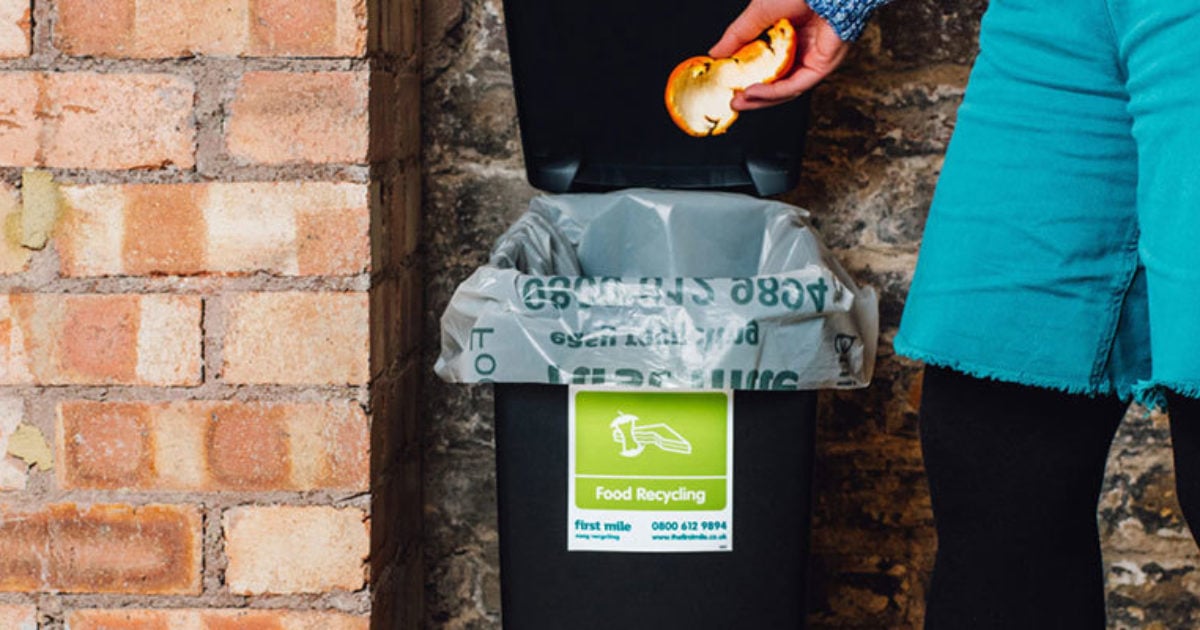
Separating food waste properly also helps prevent issues with soft plastics.
How to prepare for 31st March 2027 plastic film requirements
Under the Simpler Recycling rules, plastic film recycling will become mandatory for all businesses from 31st March 2027.
You can prepare now by:
- Trialling segregation in one store
- Reviewing contamination levels
- Adjusting bin placement
- Expanding what works
Starting early makes the transition smoother and reduces disruption.
Digital waste tracking can also help track performance and improve reporting.
Multi-site rollout: How to standardise across stores
Different stores bring different challenges, but consistency helps.
To standardise:
- Use the same bin types
- Keep signage the same
- Create simple operating procedures
- Train teams in the same way
This improves reporting, simplifies rollout and supports your business’s sustainability goals.
Tools like RecycleID can help identify materials and support consistency across sites.
What to ask your waste provider about soft plastics
Before setting up collections, ask:
- What soft plastics are accepted?
- Do you take pallet wrap and shrink wrap?
- What happens after collection?
- How often will you collect?
- What support is provided?
At First Mile, we keep all of this clear and straightforward, so you know exactly what to expect.
There are clear benefits of recycling for a business, from cost control to sustainability progress.
Make soft plastic recycling simple in your store
Soft plastics don’t need to be complicated. With a clear system, your team can manage packaging waste as part of their normal routine.
Start small. Focus on one area. Make it easy for staff to do the right thing.
Over time, these small changes can lead to better recycling performance and smoother compliance with future requirements.
Need a hand setting up soft plastic recycling in your stores? Our flexible plastics recycling service is designed to make it simple and scalable.
Retail soft plastics FAQs: segregation, bins and compliance explained
What counts as soft plastics in a retail store?
Soft plastics include flexible materials like pallet wrap, shrink wrap, carrier bags, bubble wrap and plastic mailers.
Can soft plastics go in a standard mixed recycling bin?
Usually not. Most providers require separate collection, depending on what they accept.
How do retailers reduce contamination in soft plastic collections?
Keep materials clean and dry, use clear signage and place bins where waste is created.
What bins are best for retail soft plastic recycling?
Clear sacks are common. Bins work in high-use areas. Larger sites may use compactors.
How should supermarkets segregate pallet wrap and shrink wrap?
At goods-in. Keep containers close to where packaging is removed.
What should retailers do with contaminated soft plastics?
Remove them from the stream and dispose of them according to provider guidance.
How can retailers prepare for plastic film recycling requirements?
Start early, test systems, train staff and scale what works.