





At a glance
- Soft plastics like pallet wrap and plastic film can be recycled when they’re kept clean, dry and separate
- In manufacturing, soft plastics are lightweight but bulky, so they quickly take up valuable space
- Poor storage can lead to contamination, higher costs and safety risks
- Baling can reduce plastic film volume by up to 90%, helping cut storage pressure and collection frequency
- A well designed setup improves recycling performance, efficiency and compliance
- Clear storage systems and simple processes make manufacturing plastic recycling much easier to manage
If you manage a manufacturing site, you’ll know how quickly plastic film builds up.
Pallets arrive wrapped. Packing lines create offcuts. Dispatch areas fill up with stretch wrap and shrink film. Before long, it starts taking over space you actually need.
That’s the challenge with manufacturing plastic recycling. Soft plastics don’t behave like other materials. They’re bulky, awkward to handle and easy to contaminate.
The good news is that there’s a straightforward way to manage it.
At First Mile, we help manufacturers simplify soft plastic recycling with practical setups that fit naturally into day-to-day operations.
Here’s what matters most:
- How you store materials
- How you keep them clean
- When baling starts to make sense
- How soft plastics fit into your wider recycling setup
For many sites, improving how flexible packaging waste is handled makes everything else easier.
What counts as soft plastics in manufacturing?
Soft plastics are flexible materials you can scrunch in your hand. In manufacturing, they’re usually films, wraps and bags used to protect or transport goods.
They’re different from rigid plastics like bottles, trays or containers.
Here are a few typical examples:
- Pallet wrap and stretch wrap
- Shrink wrap and collation film
- LDPE bags and liners
- Film offcuts from production
- Protective sheeting
Most of these materials are made from polyethylene, often called PE. LDPE is one of the most common packaging materials used across manufacturing and warehousing.
Recyclability depends on keeping materials consistent. Clean, single material films are far easier to process than mixed or contaminated waste.
That’s why good separation at source is essential for:
- LDPE film recycling
- Pallet wrap recycling
- Stretch wrap recycling
- Shrink wrap recycling
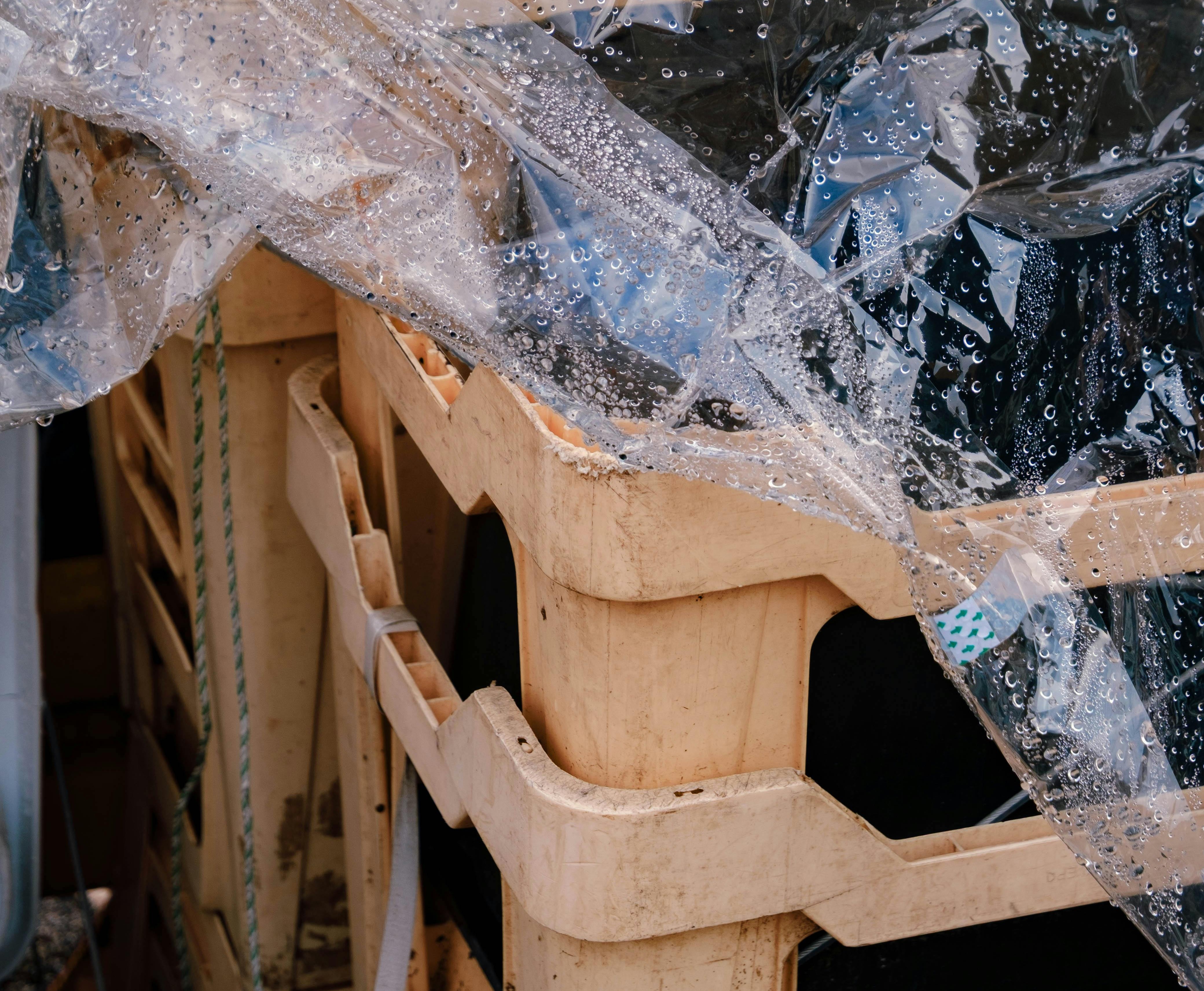
Why soft plastics are challenging for manufacturers
Soft plastics may not weigh much, but they take up a huge amount of space.
That means containers fill up quickly, even when there’s not much material by weight. In practice, businesses often end up paying to transport air.
Common challenges include:
- Space pressure
Film expands and spreads if it isn’t contained properly - Contamination
Busy production lines can lead to mixed waste and lower quality recycling - Handling inefficiency
Teams can spend too much time moving loose bags, cages or overflowing material - Safety risks
Loose film creates trip hazards and can block walkways or access routes - Rising costs
Contaminated loads can be downgraded or charged instead of recycled
This is where a clear, well organised system makes a real difference. It also supports wider commercial plastic recycling across your site.
How to store soft plastics properly on site
Good soft plastic waste storage comes down to control. You want to keep film contained, clean and easy to manage.
What good storage looks like
A practical setup includes:
- Cages or stillages
- Bulk bags
- Labelled bins
- Covered containers where needed
Place containers close to where waste is created, including:
- Goods-in areas
- Packing lines
- Dispatch zones
When containers are nearby, people are much more likely to use them correctly.
For warehouse plastic recycling, this is one of the simplest ways to improve consistency.
How to prevent contamination
Contamination is anything that shouldn’t be mixed into your film recycling stream.
Here are a few frequently seen examples:
- Strapping
- Paper and card
- Labels
- Food or liquids
- Mixed plastics
Why it matters:
- Recycling quality drops
- Loads can be rejected
- Extra charges may apply
Simple ways to reduce contamination:
- Keep a dedicated “film only” stream
- Remove labels where possible
- Keep materials clean and dry
This is where plastic film recycling either succeeds or breaks down.
Indoor vs outdoor storage
Indoor storage gives you much better control. Film stays dry, cleaner and easier to manage.
If you need to store material outside:
- Use covers
- Keep containers secure
- Protect material from rain and wind
Simple ways to save space without equipment
Before investing in a baler, start with the basics.
You can often improve storage by:
- Using enclosed containers
- Avoiding open piles of loose film
- Moving material regularly
- Adjusting collection frequency
These small changes can improve manufacturing waste recycling quickly.
When baling soft plastics starts to make sense
Baling becomes useful when your current setup stops working efficiently.
Watch for signs like:
- Overflowing storage areas
- Frequent collections
- Too much manual handling
- Ongoing contamination issues
If you’re constantly dealing with these problems, it’s usually a sign your system needs an upgrade.
A plastic baler for soft plastics helps bring structure and control back into the process, especially on higher volume sites.
What is baling and how does it work?
Baling compresses loose plastic film into dense blocks that are easier to store and transport.
A baler compresses the material and ties it into compact bales.
Here are two common options:
- Vertical balers
Suitable for smaller volumes and tighter spaces - Horizontal balers
Designed for higher volumes and continuous use
Bales can range from around 40kg to 650kg depending on the equipment used.
For many manufacturers, baling reduces handling time, improves organisation and keeps work areas tidier. It also creates a more consistent process for baling plastic film.
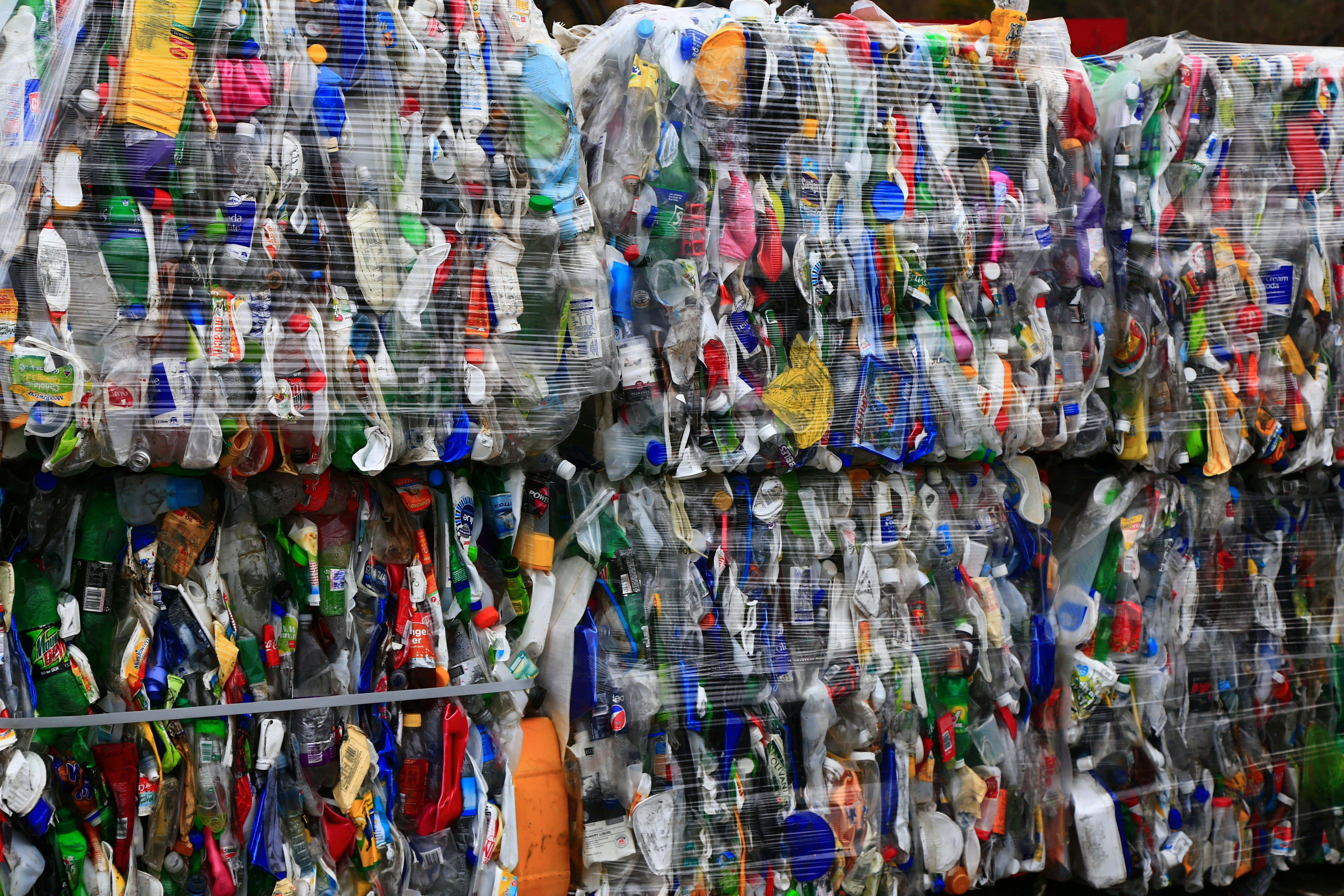
Loose vs baled soft plastics: what’s the difference?
Loose film causes problems over time. It takes up space, spreads easily and gets contaminated.
That often leads to:
- More collections
- More manual handling
- More mess around site
Baled film is easier to manage. It takes up far less space and is easier to store and move.
Here are the main benefits:
- Up to 90% volume reduction
- Fewer collections
- Cleaner material
- Better organisation
For most sites, the difference is clear. Loose film creates pressure. Baled film creates control.
It also makes it easier to manage mixed recycling and general waste streams more effectively.
What happens to soft plastics after collection?
Once collected, soft plastics usually go through several stages:
- Sorting by material type
- Shredding
- Washing
- Melting and filtering
- Turning material into pellets
These pellets are then used to make new products such as:
- Bin liners
- Construction materials
- Packaging products
The cleaner the material is at the start, the better the outcome.
This is why good recycling of plastic packaging waste starts on your site, not at the processing facility.
UK regulations manufacturers should know about
Staying on top of plastic recycling compliance in the UK doesn’t need to be a headache for manufacturers. It comes down to a few core responsibilities.
Duty of care and waste storage
Businesses must:
- Store waste safely and securely
- Keep waste streams separate
- Use waste transfer notes
Waste transfer notes record what’s collected and where it goes. These records must be kept for at least two years.
At First Mile, we help businesses simplify this process so compliance becomes part of everyday operations rather than an extra admin task.
Simpler Recycling rules
Since March 2025:
- Workplaces must separate waste
- Includes plastics, food waste and general waste
Micro-firms have until March 2027 to comply.
The future of plastic film recycling
Plastic film collections are expected to expand further by 2027, while digital waste tracking will also change how businesses record and report waste.
Preparing now with cleaner storage systems and clearer processes will make future compliance much easier, while taking the time to understand how waste tracking works will help you stay prepared.
Common mistakes to avoid
Some of the most common issues include:
- Mixing different plastics
- Allowing contamination
- Including compostable materials
- Using poor storage setups
- Ignoring bale safety
These problems can lead to:
- Higher costs
- Rejected loads
- Safety risks
- Lower quality recycling outcomes
Practical tips to improve your setup
Start with the basics:
- Place containers where waste is created
- Use clear labels like “film only”
- Keep materials clean and dry
- Assign responsibility to specific people or teams
- Review waste volumes regularly
You can also get support with:
- Waste audits
- Equipment selection
- Collection planning
- Compliance processes
At First Mile, we help manufacturers build effective recycling systems that are practical, scalable and easy to manage as part of regular operations.
Making soft plastic recycling easier in manufacturing
Soft plastics can be frustrating to deal with, but they’re easily manageable with the right setup.
Small improvements quickly add up:
- Better storage
- Cleaner material
- Clear processes
- Baling where it makes sense
These changes help reduce costs, improve safety and make compliance easier across your site.
If you want to simplify manufacturing plastic recycling, First Mile can help you build a setup that works for your operation.
Soft plastics recycling FAQs for manufacturers
What is the best way to store soft plastics before collection?
Store soft plastics in clearly labelled containers such as cages, bags or bins, close to where they’re generated. Keep them separate from other waste, and make sure they’re contained, clean and dry to prevent contamination and improve recyclability.
Should manufacturers keep plastic film clean and dry before recycling?
Yes. Clean, dry film is far more likely to be accepted for recycling and can achieve a higher value. Contamination from food, liquids, labels or other materials can lead to rejected loads or additional charges.
When does it make sense to bale soft plastics instead of storing them loose?
Baling makes sense when loose film takes up too much space, collections become frequent, or handling becomes inefficient. It’s especially useful for sites generating consistent volumes of pallet wrap, stretch wrap or plastic film waste.
What type of baler is best for pallet wrap and plastic film?
Vertical balers are usually suitable for small to medium volumes and limited space. Horizontal balers are better for high-volume operations with continuous waste streams, where automation can improve efficiency.
What paperwork is required when soft plastic waste is collected?
You’ll usually need a waste transfer note for each collection, or a season ticket version for regular collections. These must be signed by both parties and kept for at least two years as part of your duty of care.
How do England’s Simpler Recycling rules affect plastic waste at work?
Since March 2025, most workplaces are now required to separate recyclable materials, including plastics, from general waste. This makes proper storage and segregation of soft plastics important for compliance. Micro-firms have until March 2027 to comply.