




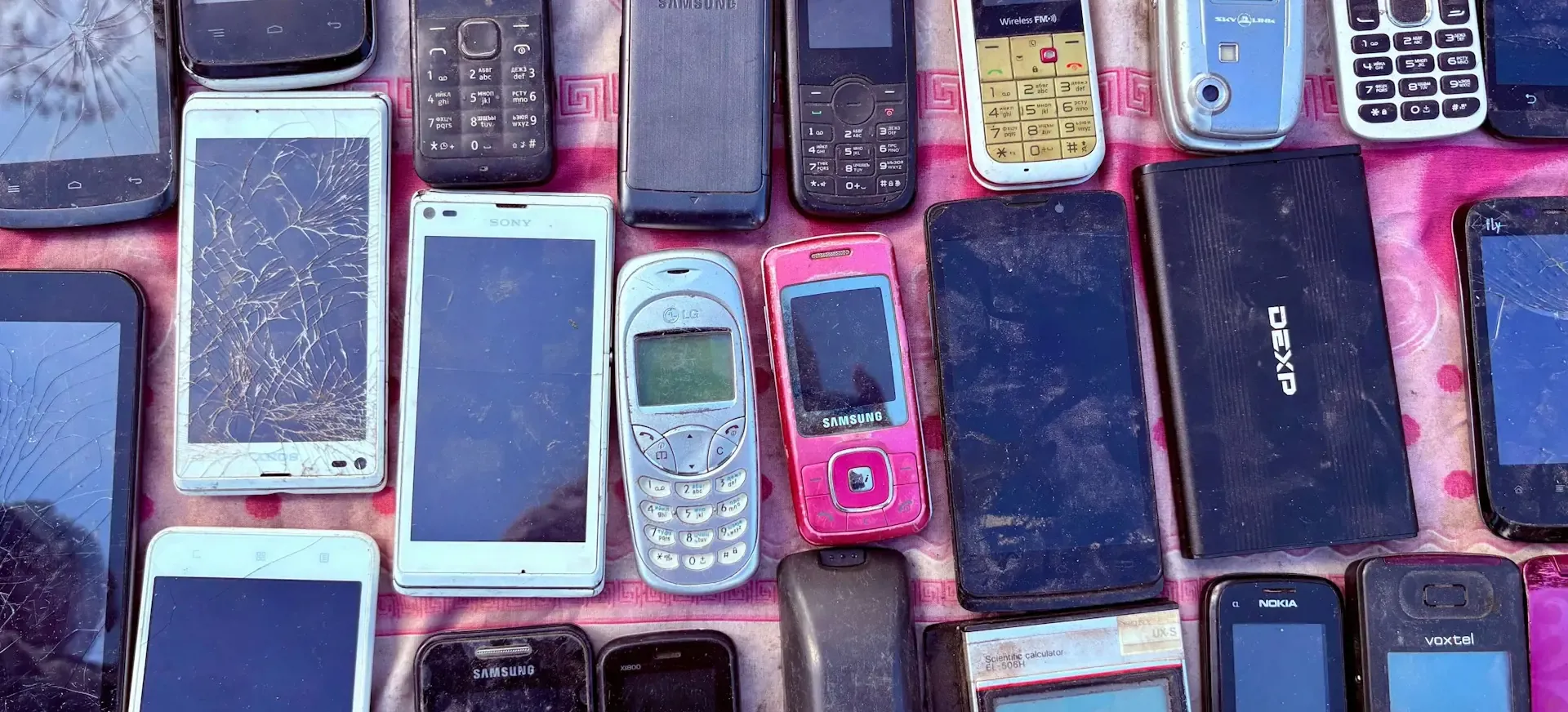
Electronic waste is the fastest-growing solid waste stream in the world. As we upgrade tonewer laptops, screens and smartphones, older tech is often pushed to the back of acupboard or, worse, disposed of into general waste.
International E-Waste Day arrives every October to remind us that throwing away electronicscomes with an environmental cost. For UK businesses, it is a prompt to review how youhandle Waste Electrical and Electronic Equipment (WEEE). With WEEE regulationschanging and the volume of e-waste increasing, having a proper recycling strategy is a legaland environmental necessity.
What is International E-Waste Day?
Organised by the WEEE Forum on the 14th of October every year, International E-Waste Day is a global awareness campaign. It aims to highlight the growing issue of electronic waste and encourage better recycling habits among consumers and businesses.
The focus for 2026 centres on Fast Tech and the message to bring small electronics in for recycling rather than binning them. Items like cables, keyboards, USB drives, wireless earbuds and old phones are easily hoarded or incorrectly thrown away. This day serves as a global call to action to keep hazardous materials out of landfills and recover valuable resources.
What is the issue with e-waste?
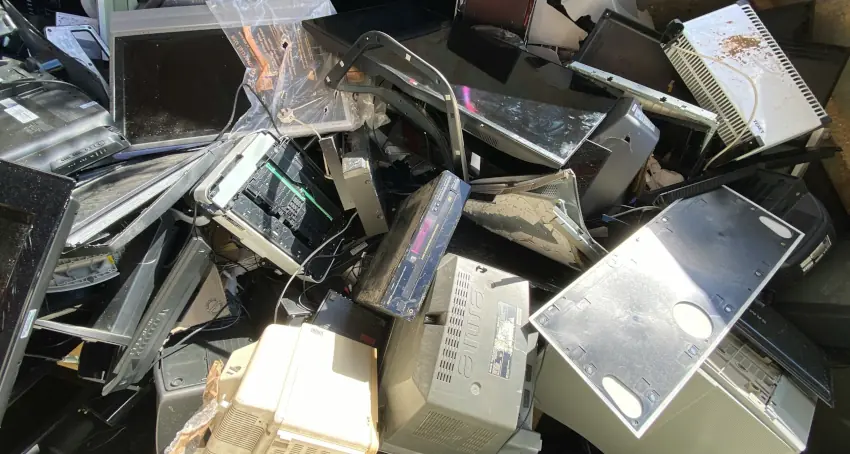
According to the United Nations Institute for Training and Research (UNITAR), the UK generates around 1.7 million tonnes of e-waste annually with only around 30% of that waste recycled.
When electrical items end up in a landfill, the consequences are severe. Toxic chemicals like lead, mercury and cadmium can leach into the soil and water systems. This contamination poses direct risks to wildlife and human health.
Recycling e-waste also recovers precious metals like gold, silver and copper. By keeping these materials in circulation, and in the UK economy, we reduce the need to mine for virgin resources, which cuts carbon emissions, saves energy and protects natural habitats.
Battery fires risk life and property
Beyond long-term environmental damage, small electronics in general waste pose a serious physical danger to waste workers and processing plants. Everyday gadgets like wireless mice, power banks and disposable vapes that contain rechargeable lithium-ion batteries are disposed of incorrectly. When crushed inside waste collection vehicles or facility sorting machines, these batteries can rupture, leading to explosive fires that spread rapidly through dry rubbish, paper and cardboard.
According to the Environmental Services Association (ESA), over 1,200 battery-related fires occur across UK waste facilities and collection lorries every year. The financial cost of battery fires in the UK waste sector now exceeds £1 billion annually.
Recent incidents demonstrate how quickly these hazards turn into major emergencies:
-
Cheshire recycling centre blaze
Fire crews tackled a major fire at a local waste processing centre, traced directly to a crushed disposable vape battery that ignited surrounding waste.
-
West Midlands waste facility fires
A commercial processing site in the West Midlands suffered two separate fires within six months, both caused by ruptured vape batteries on the sorting line.
-
Refuse vehicle fires
UK waste operators report frequent lorry fires caused by hidden batteries, often forcing drivers to eject burning waste onto the road to prevent the entire vehicle from catching alight.
UK WEEE regulations and what they mean to businesses
The UK government published outcomes from its major WEEE consultation in August 2025 which paved the way for significant reforms through 2025 and 2026. The updated WEEE regulations are designed to make producers and retailers more accountable while making it easier for everyone to recycle.
The confirmed WEEE regulation changes follow a phased timeline:
| Date | Confirmed Legislative Change | Practical Meaning |
|---|---|---|
| 12 August 2025 | Online marketplaces became responsible as producers for goods sold by non-UK sellers. Vapes established as an independent WEEE category. | Closes the loophole where overseas sellers sold tech online without paying recycling fees. Vapes are formally tracked separately from general small appliances. |
| 15 November 2025 | Online marketplace operators required to join an approved producer compliance scheme. | Online platforms must belong to an official body to manage end-of-life recovery financing. |
| January 2026 | Marketplace financial obligations began (scaling to full obligations by 2027). | Marketplaces must fund the net costs of collecting and treating electrical items sold via their platforms. |
| 12 August 2026 | Collection and recycling targets for vapes took effect. | Vape producers and importers must directly finance collection, transport, and treatment systems. |
| 31 October 2026 & 31 January 2027 | Mandatory quarterly reporting deadlines for registered producers. | Producers and platforms submit audited data on electrical volumes placed on the market and collected. |
Alongside these measures, the phased rollout of Digital Waste Tracking will help the government track commercial waste movements and verify WEEE recycling rates in real time.
Who do these reforms affect, and do you need to take action?
The direct obligations in the new reforms apply mainly to producers, importers, online marketplaces and companies selling vapes. If your business manufactures electrical goods, imports them into the UK or operates a digital sales platform, you must register with a compliance scheme and fund your share of recycling.
If you run a typical office, shop or commercial workplace that simply uses electronics, the reforms do not add new producer levies to your operations. However, your legal duty of care remains fully in place:
-
Keep electricals out of general bins. No WEEE items, including small accessories and cables, can be placed into general rubbish or mixed recycling bins.
-
Store items safely. Store old tech securely in dry indoor areas to prevent battery damage and chemical leaks.
-
Use a licensed carrier. You must hand commercial electrical waste to a registered waste carrier and keep your waste transfer notes or hazardous consignment notes on file for inspection.
Proposed reforms being discussed, but not yet law
The government has also consulted on wider reforms that are not yet law, but show where regulations are heading:
-
In-store take-back without a purchase. Proposals would require larger high street retailers to accept small electrical waste over the counter, even if the person is not buying a new item.
-
Producer-funded kerbside collection. Manufacturers could be required to fund local council doorstep collections for household small electricals.
-
GB battery removability rules. The UK is exploring rules that would require electronics manufacturers to ensure batteries can be easily removed and replaced without specialist tools.
How First Mile can help your business
Managing your business waste does not need to be complicated. First Mile offers a straightforward WEEE Recycling service designed around your needs.
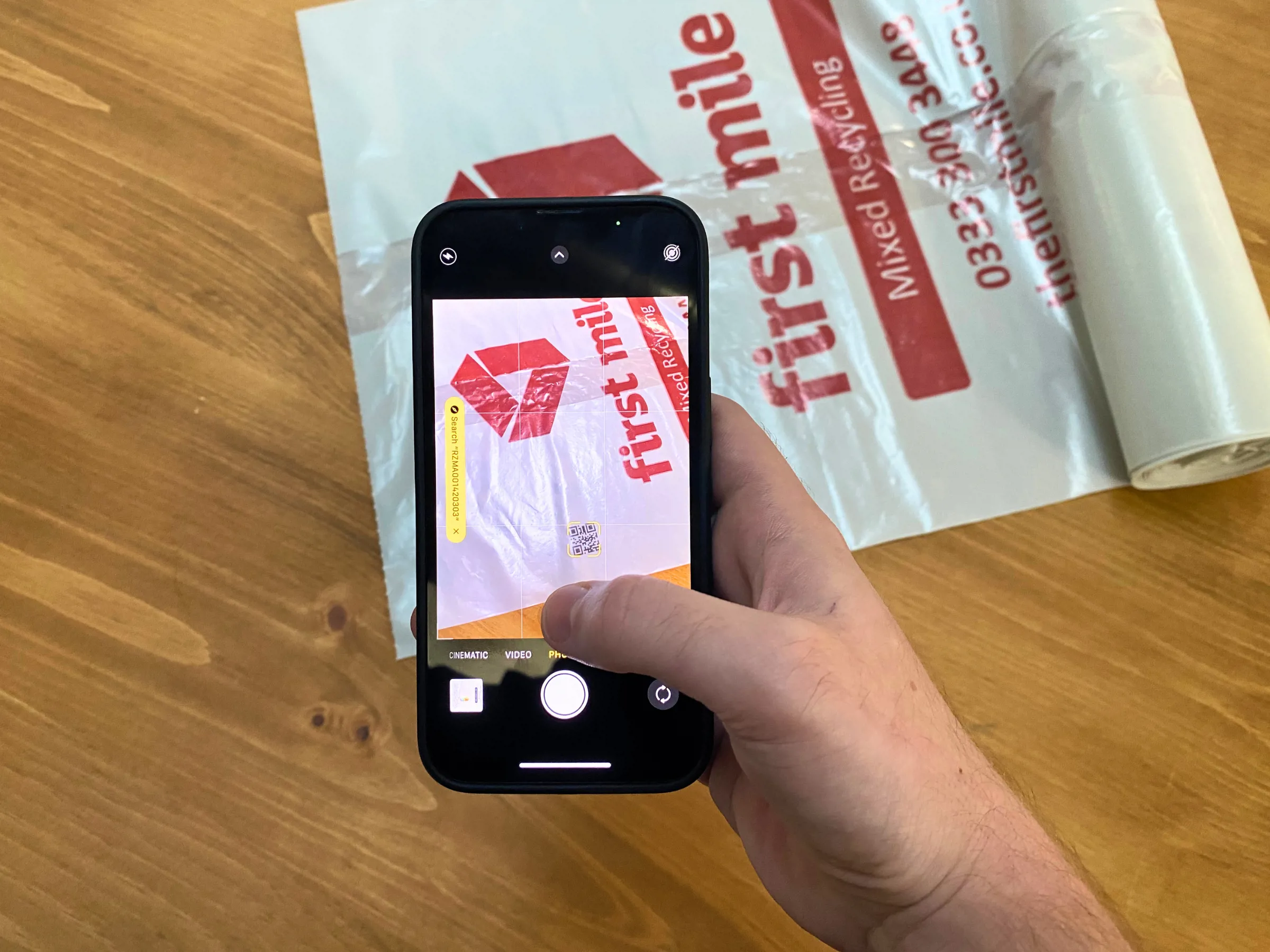
Whether you are clearing out an office full of old IT equipment or just have a few broken kettles, we have a solution. We provide WEEE sacks for smaller items like cables and laptops, and sticker collections for larger appliances up to 25kg.
When you book a WEEE collection with us, you receive:
- Guaranteed zero-to-landfill. Electronic items are refurbished where possible. If they cannot be saved, they are broken down to recover the raw materials.
- Secure data destruction. Items containing data can be fully wiped and shredded, with complete certification provided to keep you GDPR compliant.
- Free legal documentation. We provide the necessary consignment notes to verify the safe and legal collection of your electronic waste.
- Carbon reporting. Our customer portal gives you full reporting on the environmental impact of your recycling, including CO2 savings.
What is International E-Waste Day, and what is the 2026 theme?
Organised by the WEEE Forum on the 14th of October every year, International E-Waste Day is a global campaign to raise awareness about electronic waste. The 2026 theme is Fast Tech, focusing on the small, cheap electricals (like cables, chargers, headphones and toys) that people frequently throw in the bin instead of recycling.
What counts as WEEE in a workplace?
WEEE stands for Waste Electrical and Electronic Equipment. In an office or commercial setting, this includes computers, monitors, printers, charging cables, power strips, desk fans, microwaves and kettles. Essentially, anything with a plug, cable or battery counts.
Can I put cables, earbuds or vapes in general waste?
No. Putting electricals in general waste is against commercial waste regulations and creates a severe fire risk. Small items with rechargeable batteries, such as vapes and wireless earbuds, easily rupture when compacted in collection lorries, sparking dangerous fires.
Can First Mile help with my WEEE waste?
Yes. First Mile provides flexible collection services for businesses across the UK, from one-off office clearances to regular sack collections for day-to-day tech waste.
What happens to my WEEE after First Mile collects it?
All collected electronics go to specialist sorting facilities. Items that can be reused are wiped and refurbished for secondary markets. Non-working items are dismantled into base raw materials, such as copper, aluminium, gold and plastics, ensuring zero waste goes to landfill.
How do I book a WEEE collection with First Mile?
You can order WEEE sacks for small tech or stickers for individual appliances through the First Mile website. Once your items are ready, book a collection slot through the online Customer Portal, and a driver will collect your items and issue your paperwork.
What are the UK WEEE Regulations, and what has changed?
The WEEE Regulations require manufacturers, retailers and distributors to finance the collection and treatment of electrical waste. Recent updates make online marketplaces responsible for goods sold by overseas sellers, establish a dedicated category and targets for vapes, and introduce stricter producer reporting deadlines.
Do the WEEE Regulations apply to my business?
The new producer obligations apply directly to manufacturers, importers, online marketplaces and vape sellers. If your business simply uses electrical items in an office or shop, you do not pay producer fees, but you still have a legal duty of care to dispose of your electrical waste through a licensed waste carrier.
What are the new rules for vapes?
Vapes now sit in their own specific WEEE category rather than being lumped together with general electronics. As of August 2026, vape producers and importers are subject to dedicated collection and recycling targets and must fund the net costs of collecting and recycling them.
Are more WEEE changes coming?
Further proposals are being discussed, including mandatory in-store take-back points without a purchase, producer-funded kerbside collections for households, and battery removability standards for device manufacturers. These are currently under consultation and are not yet law.

