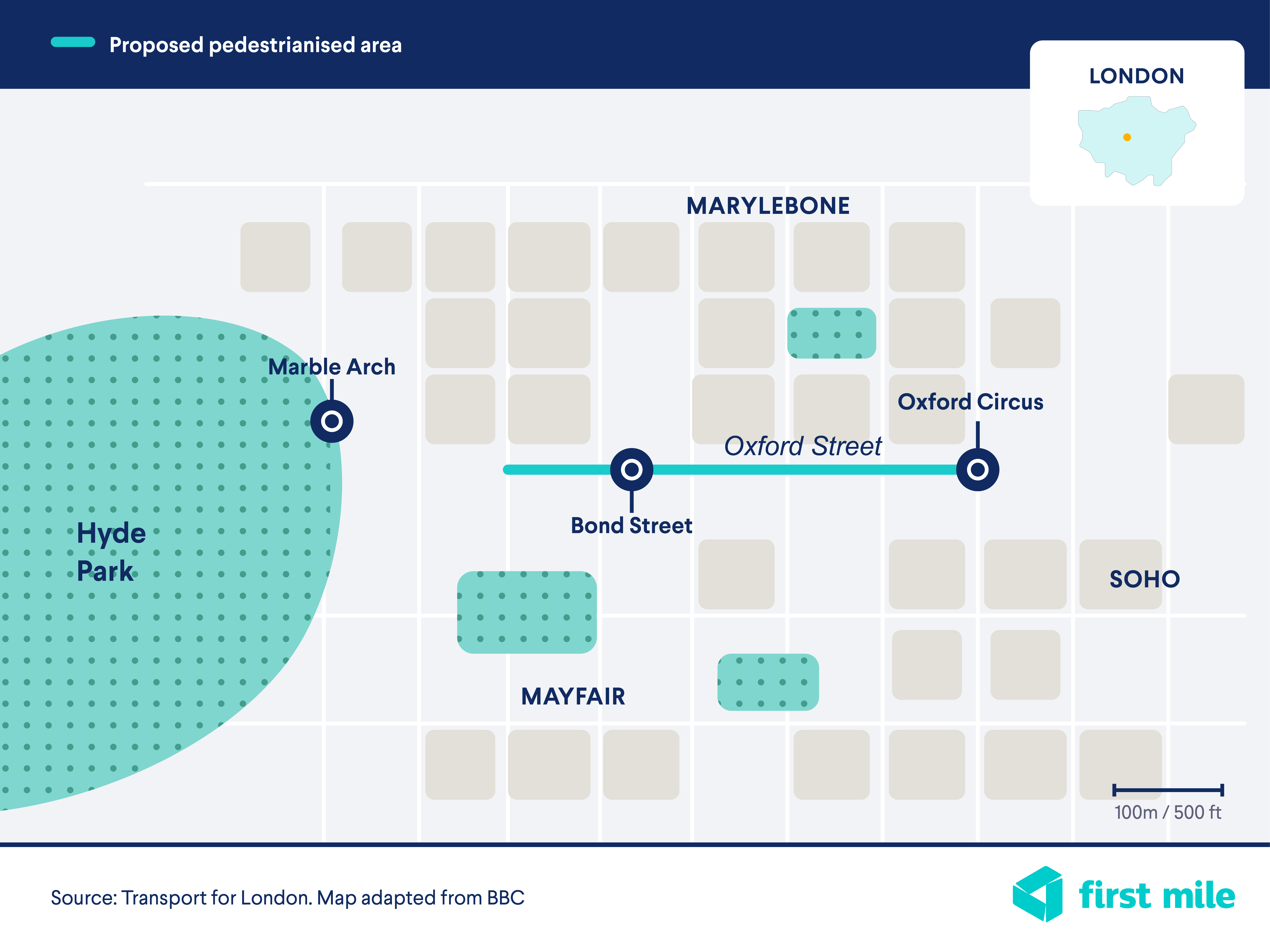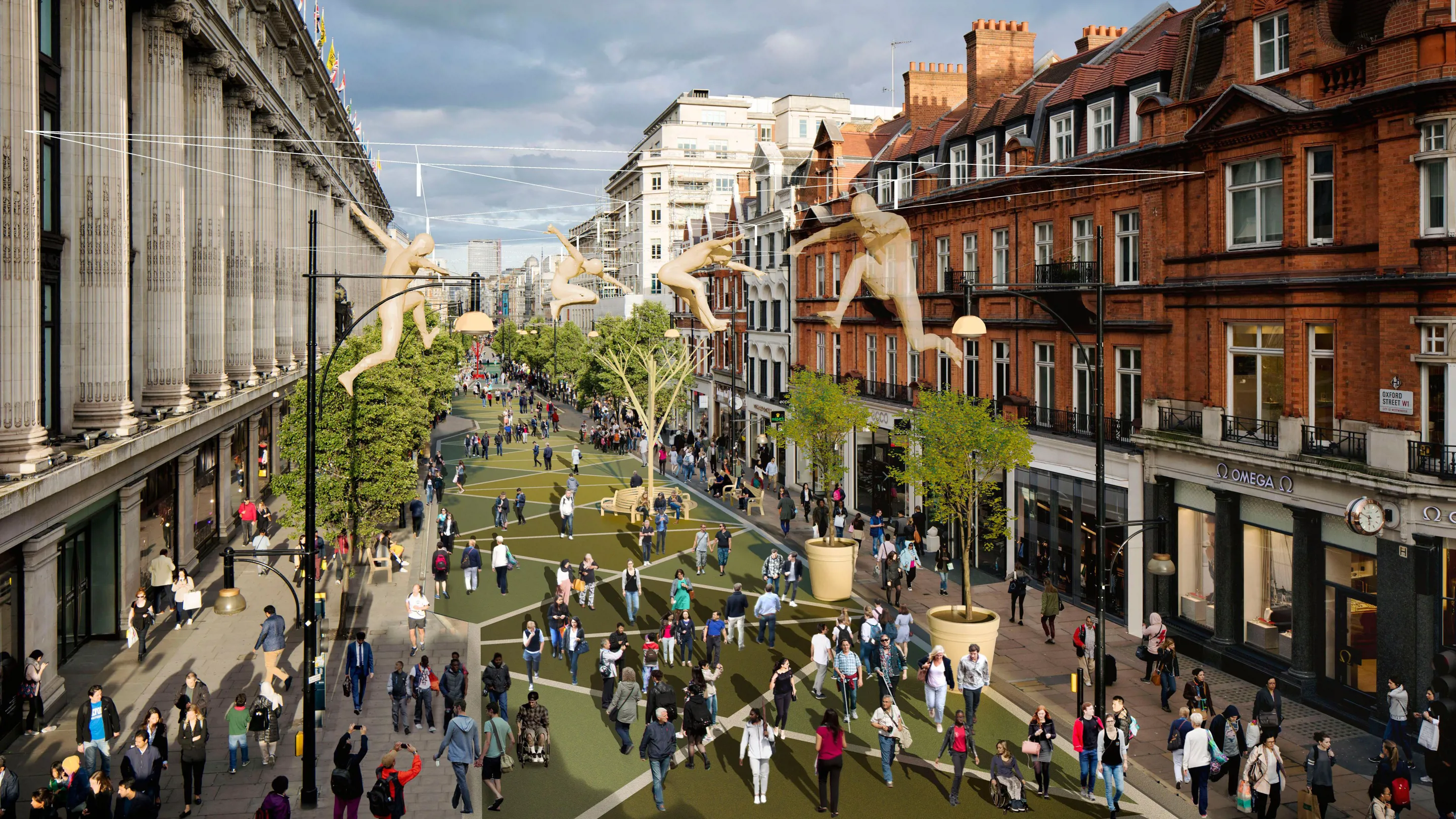
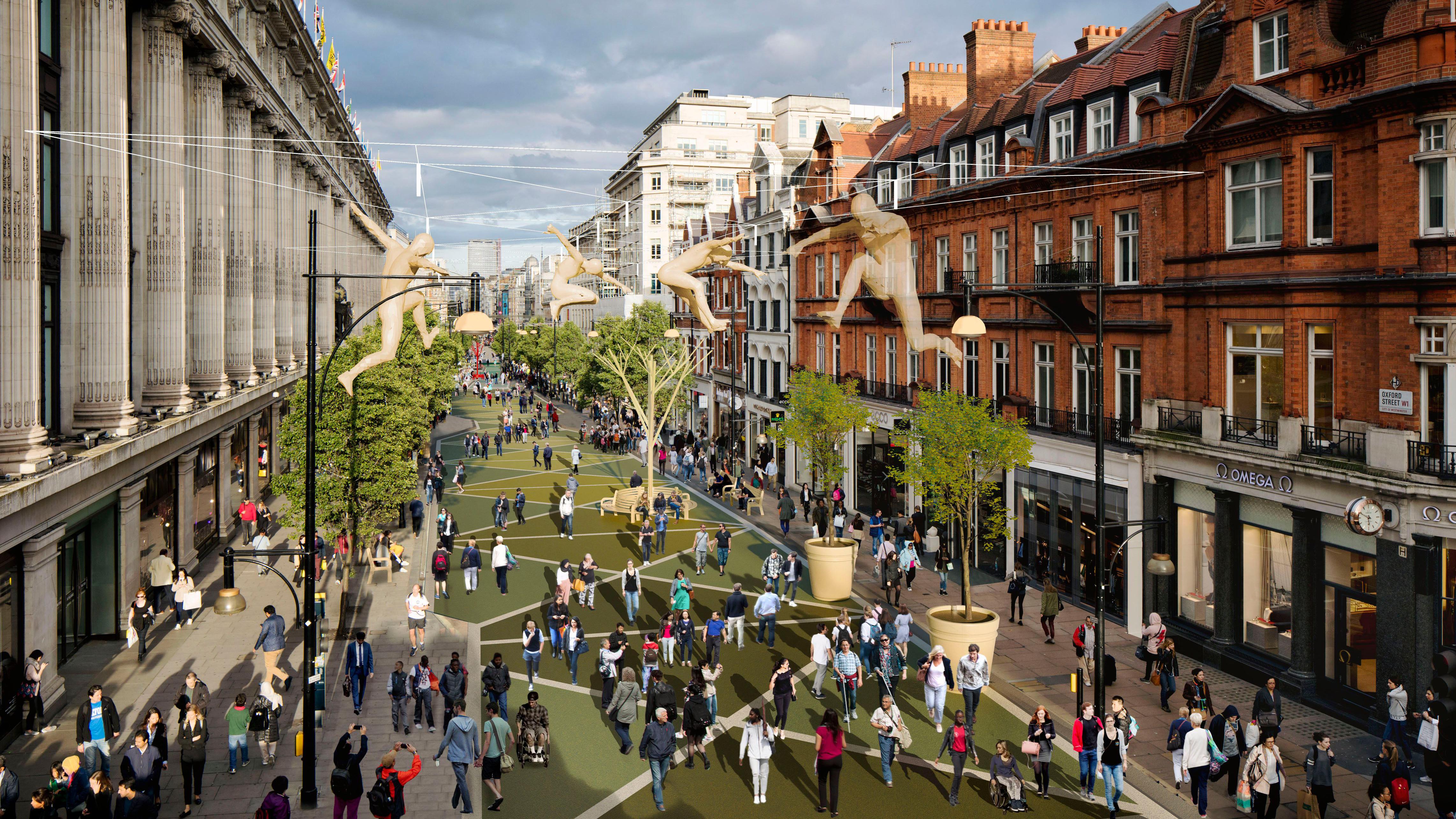


Oxford Street is going traffic-free, and local businesses now have a timeline to plan around. The first phase, called Oxford Street West, runs from Orchard Street to Great Portland Street and closes to vehicles from September 2026.

Once that happens, Oxford Street stops working like a normal road, and shops, restaurants, offices and other businesses along it will need to rethink deliveries, servicing and bin collections.

That last one is easy to overlook next to the bigger headlines about pedestrians and public space, but if a collection vehicle can no longer drive down Oxford Street during the day, someone still has to work out how the cardboard gets cleared, the food waste gets removed and the confidential waste gets shredded. Glass, mixed recycling, general waste and coffee cups all still need collecting, separating and reporting on properly, whatever the street ends up looking like.

When is the Oxford Street pedestrianisation happening?

The scheme is being delivered by the Oxford Street Development Corporation, the body the Mayor of London set up at the start of 2026 to oversee the project. This stretch of Oxford Street runs from Selfridges at the Orchard Street end, past Oxford Circus, to IKEA near Great Portland Street, right through the middle of one of the busiest shopping streets in Europe. Flagship stores including Selfridges, Marks & Spencer and John Lewis all sit along it, alongside a wide mix of restaurants, offices and other businesses.

Two public consultations later, the most recent drawing more than 2,700 responses, the Mayor confirmed in early 2026 that the scheme would go ahead

The first phase covers that Orchard Street to Great Portland Street stretch, with traffic expected to be halted from September 2026 and further pedestrian improvements to follow after that. TfL hasn’t published an exact start date, so the timing could still shift slightly, though September 2026 remains the date to plan around.

Once the changes land, cars, buses, taxis, private hire vehicles, cycles, scooters and pedicabs will all be banned from the street, though emergency access stays open at all times. Servicing for businesses, including waste collections, is limited to an overnight window between midnight and 7am.

The wider aim behind the scheme is a calmer, safer street with more room for people and less through-traffic past some of London’s busiest shops and offices, which is good news if you’re visiting. If you’re running a business there, though, it means working out how to manage something as basic as waste in a different way.

How pedestrianisation affects business waste collection

Most commercial waste collection depends on a vehicle reaching your door, and that model breaks down once Oxford Street goes traffic-free during the day. A few things change, and they’re worth planning for now:

  • No vehicle on demand means you may need somewhere safe to hold waste for longer, particularly cardboard, packaging or food waste from a busy trading day.
  • Servicing is limited to midnight to 7am, so your provider needs to work reliably inside that window rather than whenever suits them.
  • Keeping the street clear. Bags waiting for collection can’t line a pedestrianised street. Waste needs moving quickly and tidily.
  • Recycling still has to stay separated. Cardboard, food waste, glass and general waste still need proper handling, with Duty of Care documentation and clear reporting, whatever the collection method.

Why the usual collection model doesn’t work here, and what does

Most waste collection today relies on one simple assumption, that a vehicle can come to you: a business puts waste and recycling out, a lorry pulls up nearby, and it’s gone. That works fine on a normal street, but Oxford Street won’t be a normal street.

Picture every business there still expecting the same thing once the road closes. You’d end up with too many vehicles chasing a short overnight window, waste sitting out at the wrong times, and a street that looks cluttered rather than clear, the opposite of what the whole scheme is trying to achieve.

The answer is to split the job in two: get the waste off the street on foot, business by business, then move it on by vehicle somewhere away from the pedestrianised section entirely, at a consolidation point. That’s the model First Mile has built for Oxford Street.

How First Mile is keeping Oxford Street businesses collected

We’ve designed a collection model built specifically for a traffic-free Oxford Street, and we’re actively working with TfL to make sure it fits the final scheme.

Rather than sending a collection vehicle down Oxford Street, our team uses foot loaders to collect and aggregate waste and recycling from businesses along the street itself. That material then goes to a consolidation point just off Oxford Street, where it’s loaded onto a vehicle for onward processing, so no collection vehicle ever needs to enter the pedestrianised zone.

Consolidating collections this way doesn’t mean everything gets mixed together: recycling, food waste and general waste stay just as separated as they would with a normal collection, and every load is still tracked and reported.

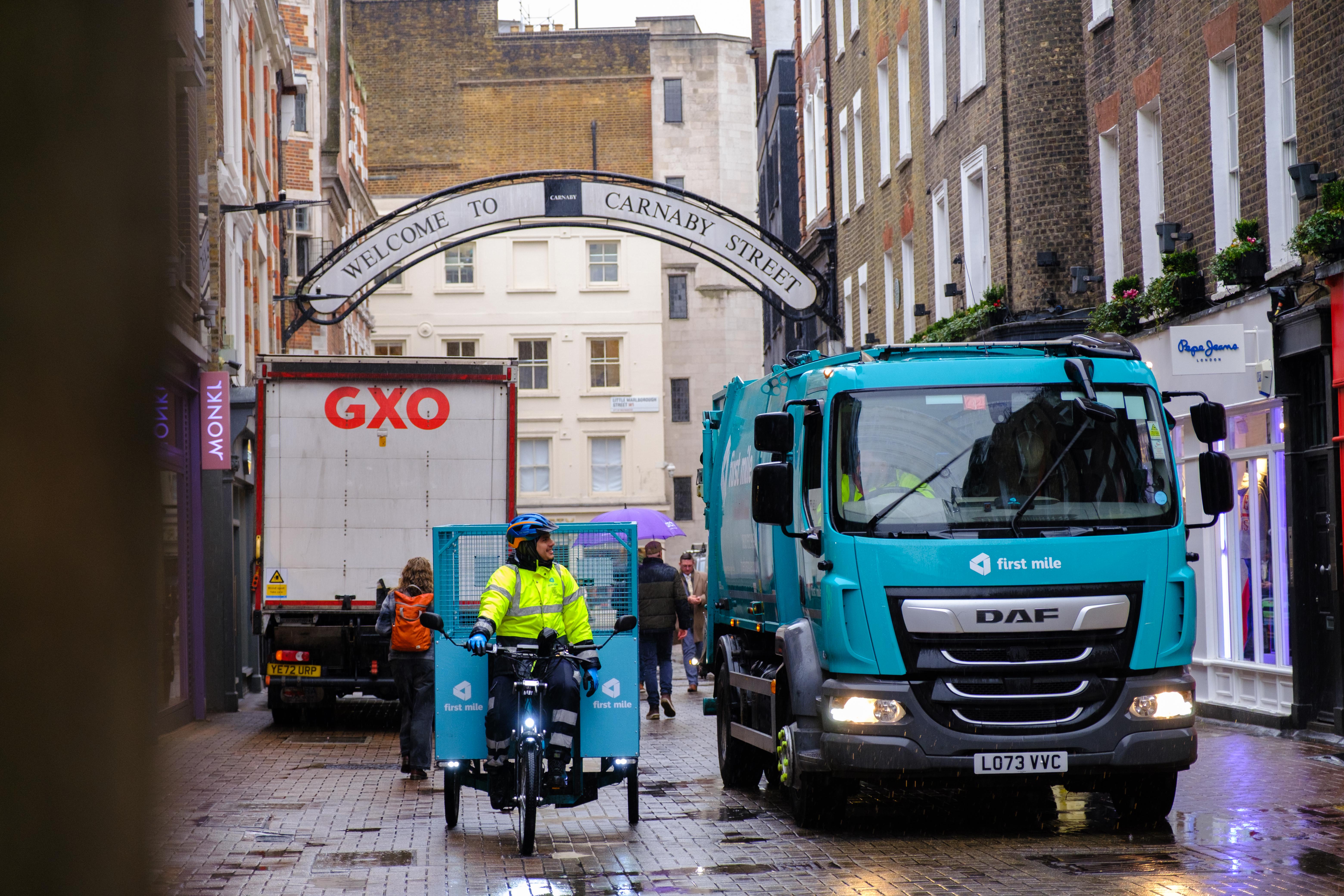
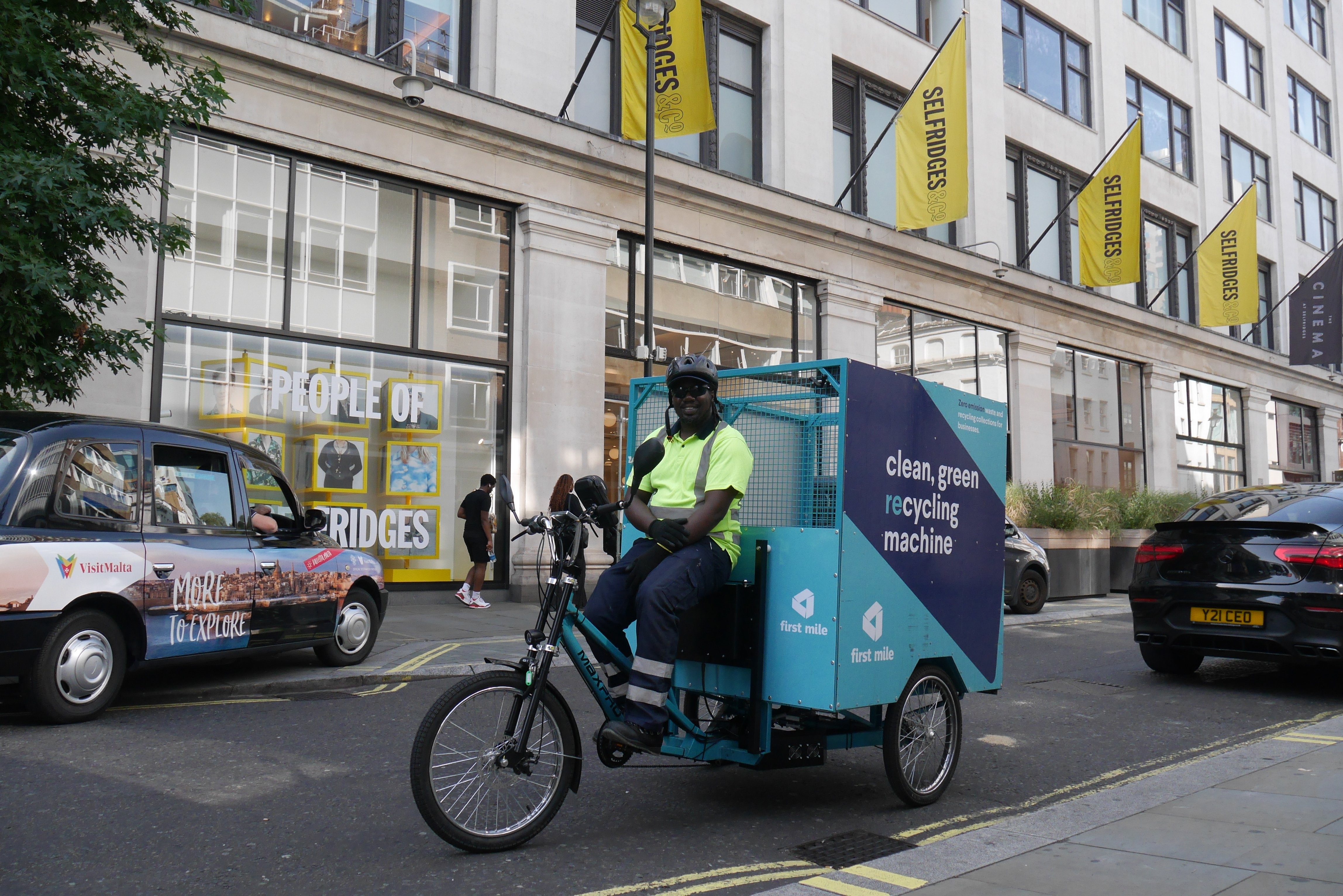
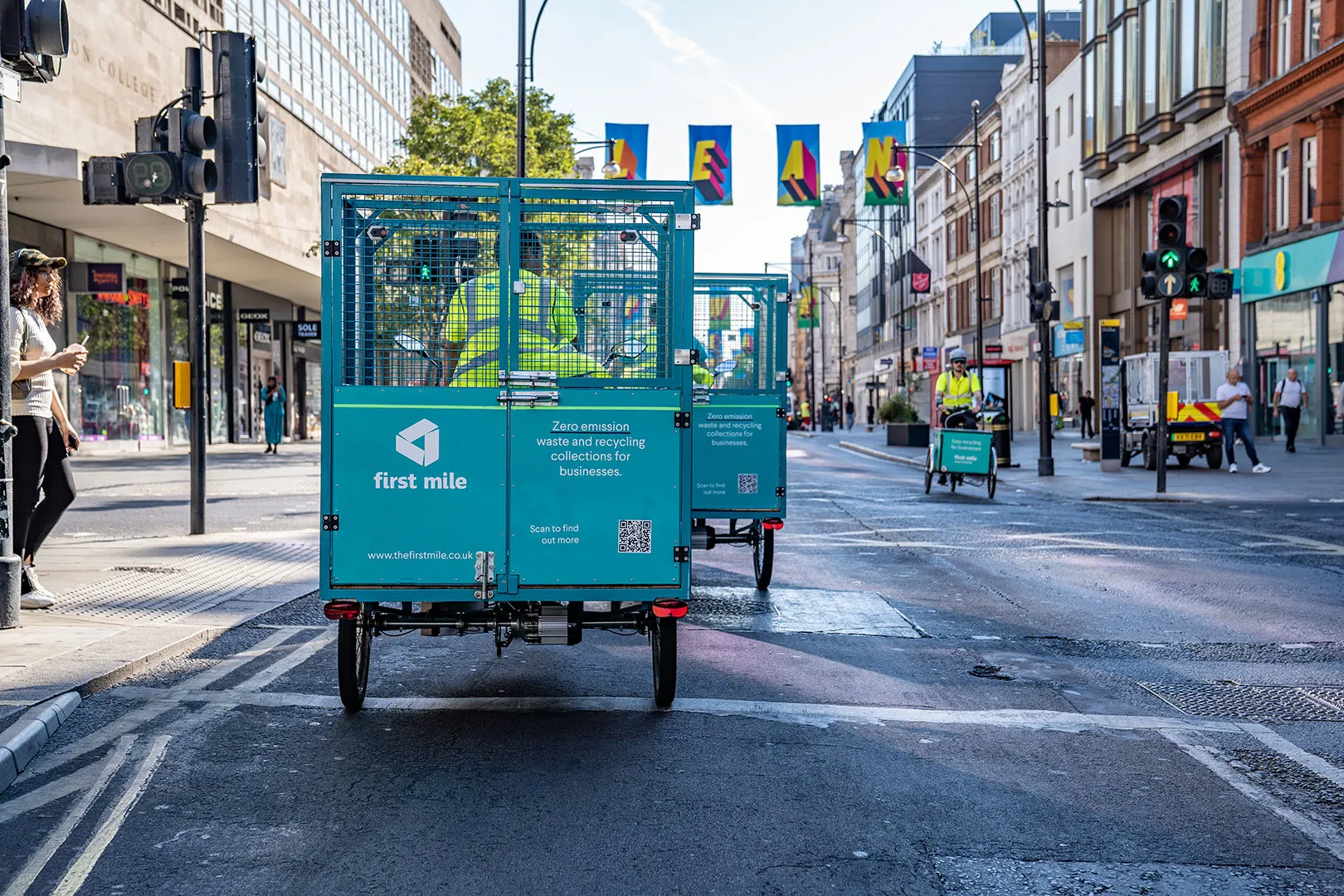
It’s also not a new trick for us. First Mile already collects across central London and the West End every day, including on foot and by zero-emission electric cargo bike, so servicing a pedestrianised street is simply an extension of what we already do. Every collection still keeps our usual promises: zero to landfill, high recycling rates and full digital reporting on where your waste ends up.

What pedestrianisation means for shops, restaurants and offices

The impact depends on what you do on the street.

Retailers often see the biggest volumes of cardboard and packaging during trading hours, so storage and collection timing matter most. Restaurants and cafés need reliable food waste and glass collections that can’t be left to build up before an overnight window. Offices typically need confidential waste, sanitary waste and mixed recycling handled properly, alongside general collections. Multi-site businesses need consistent reporting across every location, not just the one on Oxford Street.

Oxford Street waste collection: questions to ask your provider

If you want straight answers before September, ask your provider these:

  • Where will your waste actually be picked up from, if a vehicle can’t get to your door?
  • How will it be moved to a vehicle?
  • Where’s the consolidation point, and is it confirmed?
  • What collection times can you rely on within the overnight window?
  • How will your recycling streams stay separated?
  • What reporting and compliance documentation will you get?
  • How will collections cope during busy trading periods, like the run-up to Christmas?

If your provider can’t answer these clearly, it’s worth pushing for a straight answer before September.

Why it’s worth getting your collections right

Pedestrianisation can look like one more thing to manage, but handled well, it’s also a chance to tidy up how your business deals with waste.

You’ll get fewer vehicles on the street, less clutter outside your door, and recycling that’s properly separated and reported. That’s a smarter way to run things, and it happens to tick the compliance box as well. Once the street fills with pedestrians instead of traffic, people will notice how a business handles its bins far more than they do today. Businesses that sort this out now are the ones least likely to notice much difference when the change actually happens.

Get in touch

Based on or near Oxford Street and wondering how your collections will actually work once this begins? Get in touch with our team. We’ll talk you through exactly how your collections can keep running smoothly, without a vehicle ever needing to come down Oxford Street.

The takeaway

Oxford Street going traffic-free is good news for the millions of people who visit it, but it does change how local businesses need to manage their waste, and the sensible move is to plan before September rather than after. First Mile already has a collection model built for a pedestrianised Oxford Street, keeping your business collected and compliant without a vehicle coming down the street. If that’s on your mind, talk to our team and we’ll sort a plan that works.

Oxford Street Pedestrianisation FAQs
When does the Oxford Street pedestrianisation start?

Traffic is expected to be halted along the first section, from Orchard Street to Great Portland Street, from September 2026, with further pedestrian improvements following after that. TfL hasn’t confirmed an exact date yet.  

Which part of Oxford Street is being pedestrianised first?

Oxford Street West, the section between Orchard Street and Great Portland Street.  

Will vehicles still be allowed on Oxford Street?

Private vehicles, buses, taxis, private hire vehicles, cycles, scooters and pedicabs won’t be permitted, though emergency access remains at all times. Servicing vehicles, including waste collections, get access overnight between midnight and 7am.

How can waste be collected if no vehicles can use Oxford Street during the day?

Waste gets collected on foot from businesses along the street and aggregated at a consolidation point just off Oxford Street, before being loaded onto a vehicle. This is the model First Mile is putting in place.

Is First Mile working with Transport for London on this?

Yes, we’re actively speaking with TfL to make sure our collection model fits the final scheme and the servicing rules for the pedestrianised street.

What should Oxford Street businesses do now?

Start by reviewing your current waste arrangements and checking whether collections rely on direct vehicle access to the street, then think about storage and speak to your provider about a compliant plan before September.


External Sources Linked:

  1. The Mayor confirmed in early 2026 that the scheme would go ahead, following two public consultations: Mayor of London, Oxford Street Transformation.
  2. More than 2,700 responses to the most recent public consultation: London Assembly, Economic Impact of Pedestrianising Oxford Street.
  3. Cars, buses, taxis, private hire vehicles, cycles, scooters and pedicabs banned from the pedestrianised street, with emergency access retained: Transport for London, Oxford Street Transport and Highway Changes Consultation.
  4. Business servicing, including waste collections, limited to an overnight window between midnight and 7am: London Assembly, Economic Impact of Pedestrianising Oxford Street.
  5. Thumbnail/Header: AVR LONDON/MAYOR OF LONDON