





How your business can reduce plastic waste this Plastic Free July and beyond
July marks the arrival of Plastic Free July, a global campaign dedicated to cutting single-use plastic through everyday changes. For UK businesses, it is a timely opportunity to move beyond environmental intention and take tangible, practical action in the workplace.
Plastic pollution is a serious environmental challenge. Single-use and flexible plastics are frequently used for minutes, but pollute our ecosystems for centuries. Because these materials are largely manufactured from fossil fuels, they drive both global waste and carbon emissions. Taking part in Plastic Free July helps your organisation reduce its environmental footprint and set in place practical initiatives that will aid compliance for regulatory updates that are coming in 2027.
What is Plastic Free July and why does it matter?
Plastic Free July is an international movement that encourages individuals and organisations to reduce plastic use and refuse single-use plastics. By making conscious changes in daily operations, businesses can collectively prevent thousands of tonnes of plastic from entering landfills and oceans.
For office managers and sustainability leads, managing plastic waste is more than a voluntary green initiative. Legislation updates are coming in 2027 to ensure businesses include flexible plastics in separate recycling schemes. However, there are tangible benefits too. Embracing a plastic free office helps businesses lower disposal costs, streamline supply chains, and avoid costly last minute changes to get up to speed with UK environmental regulations.
For Plastic Free July, we’ll be hosting upcoming Plastics Workshop webinar on Friday 17 July at 12:30pm, for more details, click here.
The state of plastic pollution in 2026
The campaign’s goal is to set in place collective action and to help individuals and businesses learn how to reduce plastic waste. Understanding the scale of the challenge highlights exactly why a reduction-led approach is necessary for modern workplaces:
- Fossil fuel reliance: Over 99% of plastic*1 is manufactured from fossil fuels, making plastic production a direct driver of global greenhouse gas emissions.
- Plastic production is significant: Every year, the world produces over 400 million tonnes of plastic. Without change, the global output is projected to almost triple by 2060*2.
- Low recycling rates: Globally, recycling rates remain a stagnant 9%*3 with only 9% of all plastic ever produced being successfully recycled*4. The remaining waste is incinerated, sent to landfill, or left to pollute natural environments.
- Carbon impact: Over 2.5 tonnes of CO2*5 are generated for every single tonne of plastic produced.
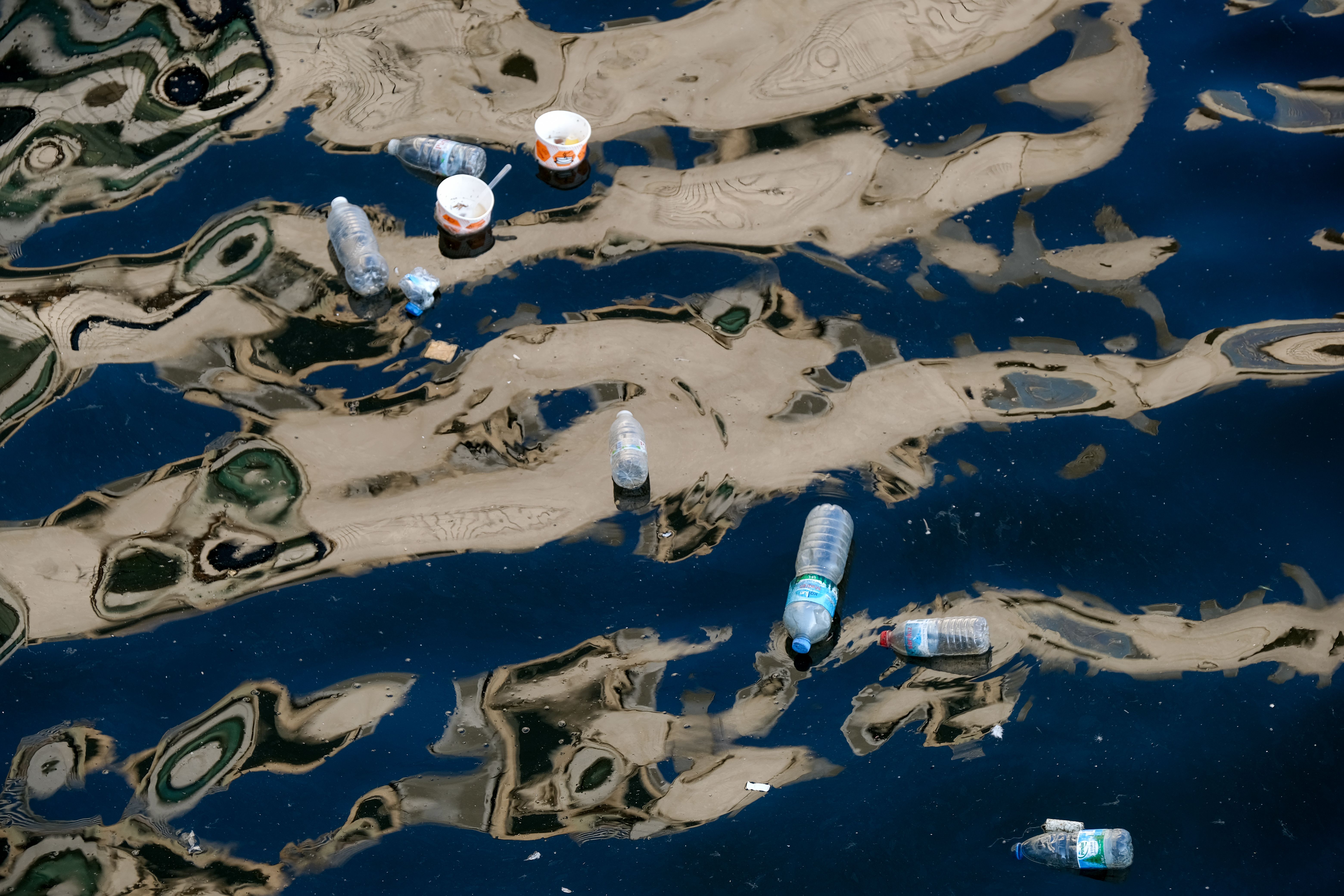
- Long-term pollution: Plastic takes between 20 and 500 years to decompose*6. Even then, it never truly disappears, breaking down into tiny microplastics that contaminate our soil, water, and food chains.
- More plastic than fish: The Ellen MacArthur Foundation projected that there could be more plastic than fish in the ocean by 2050*7 if our consumption patterns remain unchanged.
It is not all doom and gloom however, as positive steps are being taken in the UK. First Mile's own data shows that UK recycling saves an estimated 10 to 15 million tonnes of CO2 each year, which is the equivalent of removing around 3.5 million cars from the road.
How can businesses make a difference?
Sustainability does not have to mean sweeping, overnight changes. The most effective steps are often practical, achievable, and extendable over time. By focusing on how to reduce plastic in the workplace, businesses can drastically lower their reliance on single-use plastics and optimise long-term procurement and disposal costs.
Preparing for a low-waste economy helps organisations remain resilient. This is especially apt as the UK extends the Simpler Recycling framework, which mandates that flexible plastics become a compulsory separate waste stream for all businesses from 31 March 2027. Taking action today prepares your workforce for tomorrow.
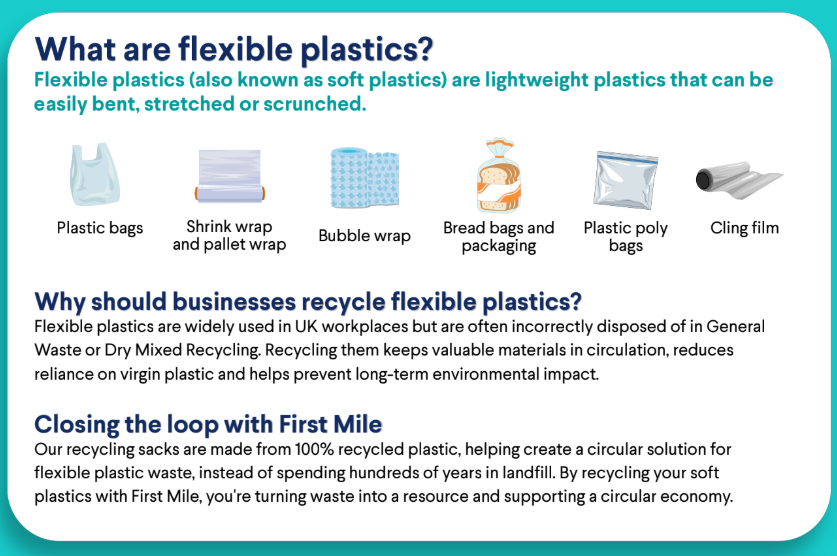
Flexible plastic waste originates from different sources within a business, for example an office’s main sources can be food, stationary and catering wrappers, whereas pallet wrap may be the number one source within a warehouse. The good news is that a common approach can be adopted to maintain a plastic free office and warehouse. The following guide will help you implement a simple plan to tackle these materials without sweeping and overwhelming changes.
The Plastic Free Guide
Six steps to reduce workplace plastic
To help your organisation navigate this transition, here is a practical guide on how to reduce plastic in the workplace.
1. Find your biggest plastic hotspots
Before changing your processes, you need to understand where your waste originates. Conduct a thorough review of your premises or to identify your main problem areas. Common corporate hotspots include kitchens and break rooms, meeting rooms, catering and events, deliveries and packaging, and cleaning or washroom supplies.
2. Target plastic bottles and cups
Single-use drink containers are among the most visible waste items in any office. Maintain a plastic free office by eradicating single-use containers by providing employees with reusable bottles and cups, which also happens to be a good branding exercise. For communal areas or external meetings, switch out plastic-packaged beverages for glass or aluminium alternatives, both of which can be recycled infinitely.
3. Tackle kitchen packaging
Shared workplace kitchens generate vast amounts of single-use waste. Swap out single-use plates and cutlery for metal or ceramic options, and request that your catering partners minimise transit packaging. You can also eliminate individual plastic condiments, bulk-buy snacks instead of choosing wrapped snacks, and completely ban plastic straws and unnecessary produce packaging.
4. Help employees recycle correctly
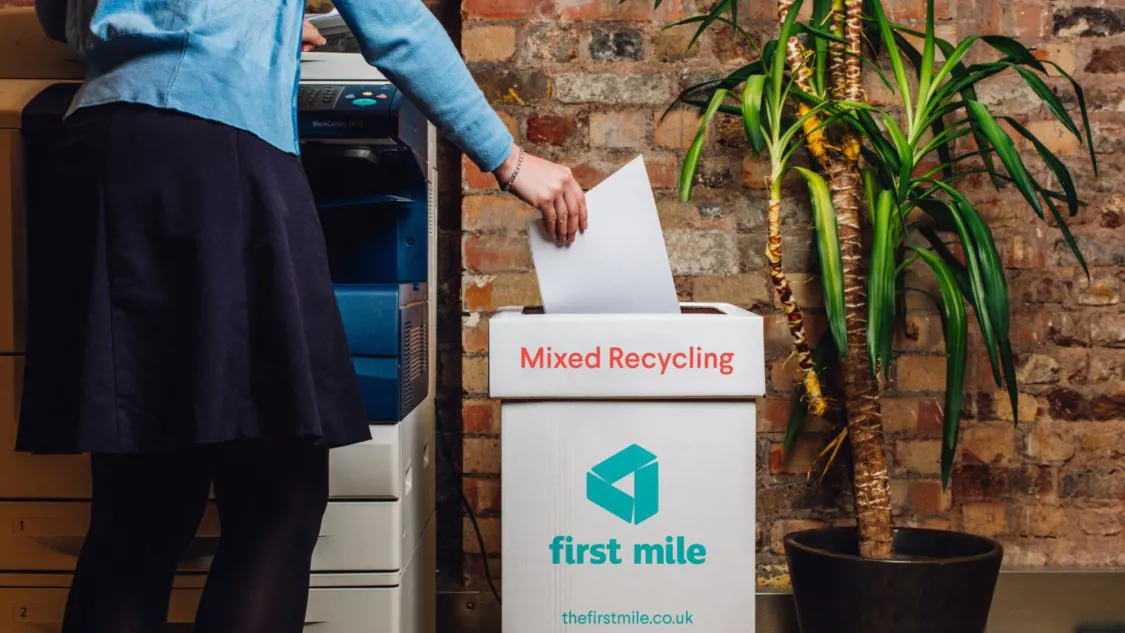
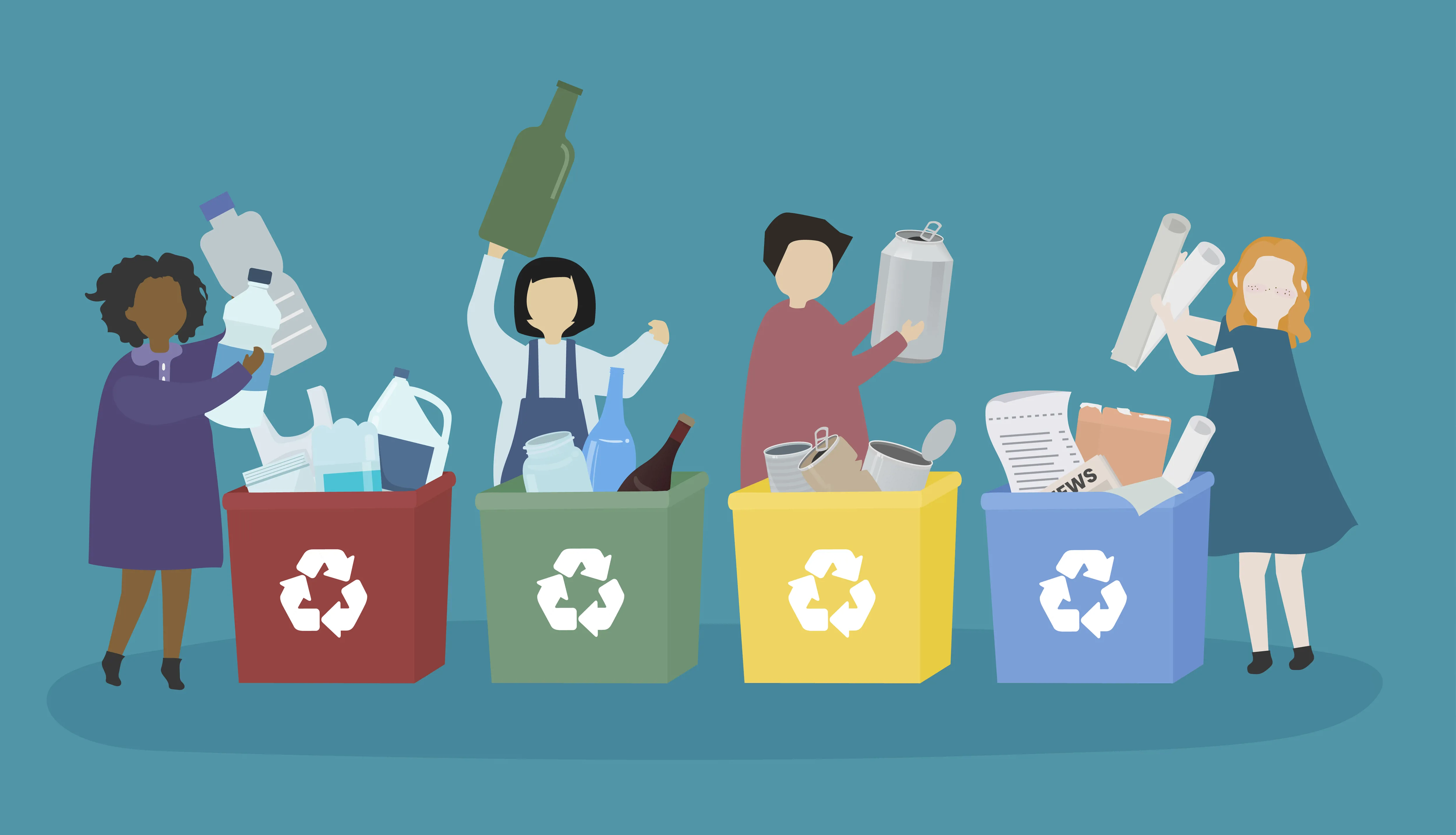
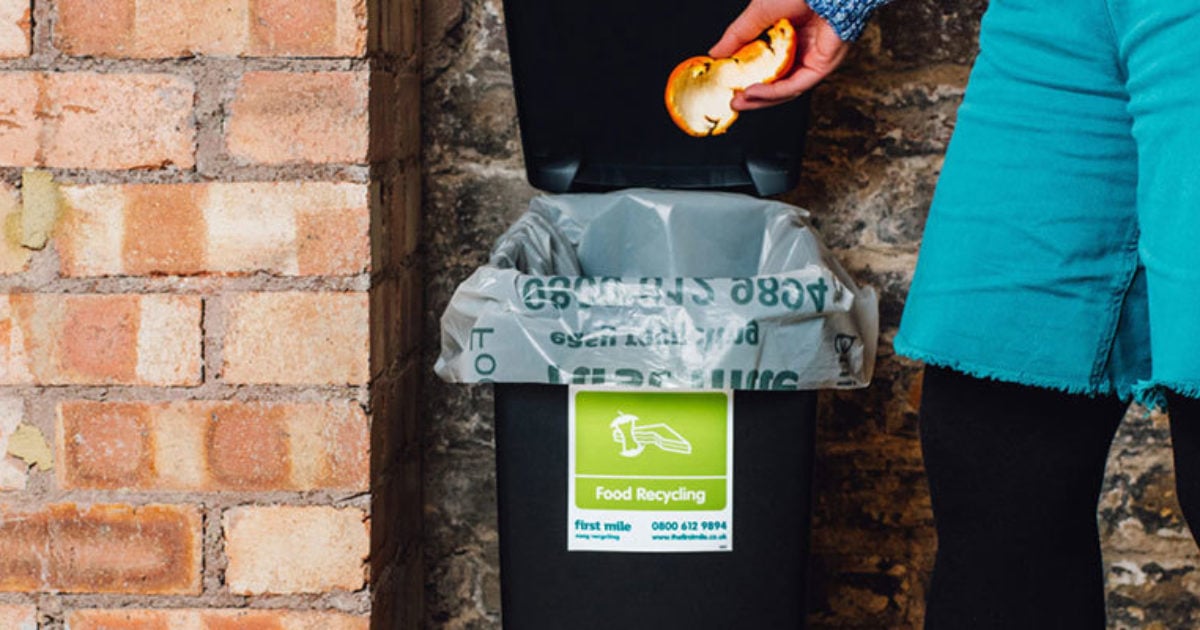
When plastic cannot be avoided, ensure it stays within a closed loop. Implement a consistent bin system across your office floors and display clear signage near every disposal point. To help maintain a plastic free office and wider workplace, you can and resources from First Mile to remove guesswork. Combine this with regular reminders and staff education to keep contamination rates low. This approach has delivered outstanding results for our partners, helping organisations like ATG Entertainment lower waste contamination by 77%.
5. Engage and motivate the team
A sustainable workplace relies on shared effort. Launch internal awareness campaigns, host interactive sustainability challenges, or encourage employees to sign team pledges. Appointing dedicated sustainability champions within different departments will keep momentum alive long after July ends.
6. Take the first step
When assessing your procurement, remember the core principles of the waste hierarchy: prioritise refill over replace, choose reuse over dispose, and always seek to reduce before you recycle.
Our guide and webinar
To support your team during Plastic Free July, First Mile has developed a suite of dedicated resources.
We invite you to register for our upcoming Plastics Workshop webinar on Friday 17 July at 12:30pm. During this live session, our sustainability experts will guide you through actionable operational steps to reduce waste, improve procurement, and cut your overheads.
Register for the Plastics Workshop webinar here

You can also download our free Plastic Free July fact sheet, All you need to know about Flexible Plastic. This comprehensive resource contains technical insights into managing challenging waste streams.
Download your free Plastic Free July fact sheet
Take action with a trusted sustainability partner
Meaningful environmental change begins with small, deliberate operational adjustments. As a certified B Corp serving over 30,000 UK businesses, First Mile is here to simplify your sustainability journey.
We provide over 50 specialist recycling streams with a strict zero-to-landfill guarantee. Our operations emit 35% less carbon than the industry average, and we collect waste using zero-emission electric cargo bikes in urban areas. In 2025 alone, we helped our customers avoid 133,000 tonnes of CO2e emissions.
As part of the zero-to-landfill guarantee, we operate a genuine closed-loop system. First Mile's recycling sacks are manufactured from 100% recycled plastic, sourced directly from the soft plastics we collect from our customers. Through our partner network, we keep recycling in the UK to avoid overseas transportation emissions and keep valuable materials in the domestic economy. Our tailored solutions are designed to deliver measurable impacts, helping brands like itsu increase their recycling rates by 22 percentage points.
Whether you need a comprehensive Business Waste and Recycling contract, a specialised Single-Use Plastics recycling scheme, or access to our advanced Recycling Data Studio to track your corporate metrics, we can help.
Get ahead of future regulations, save on procurement and disposal costs, and improve environmental sustainability. Start today by booking a free Waste Audit, downloading our campaign fact sheet, and securing your spot at our live webinar.
Fact Sheet, All you need to know about Flexible Plastic
Live Webinar, Plastics Workshop webinar on Friday 17 July at 12:30pm
What is the main goal of Plastic Free July?
The main goal of Plastic Free July is to reduce plastic waste reduction via the collective. The campaign aims to raise awareness about the global global impact of plastic waste, and to empower individuals and businesses to eliminate these materials through everyday changes by providing advice and education.
How can my office get involved in Plastic Free July?
For a plastic free office, you can get involved by auditing your current plastic use, setting up dedicated single-use plastics recycling streams, introducing reusable kitchenware, and educating staff through internal challenges or workshops.
Why should businesses focus on flexible plastics?
Flexible plastics, such as pallet wrap, crisp packets and sweet wrappers, represent a significant portion of commercial waste and often end up in general waste bins. Implementing a specialised Flexible Plastics recycling service is highly cost-effective, typically costing around 30% less than standard general waste collections.
What are the upcoming UK laws regarding flexible plastics?
Under the upcoming UK Simpler Recycling regulation updates, flexible plastics will become a mandatory separate recycling stream for all businesses starting from 31 March 2027. Preparing your workspace today ensures early regulatory compliance.
External Sources Linked:
- Over 99% of plastic is made from chemicals sourced from fossil fuels: Centre for International Environmental Law.
- Over 400 million tonnes of plastic per annum, tripling by 2060 projection: Organisation for Economic Co-operation and Development (OECD) Global Plastics Outlook Reports.
- 9% global recycling rate: UNEP / United Nations Development Programme (UNDP).
- 9% of plastic ever produced successfully recycled: Global Plastics Outlook, OECD
- Over 2.5 tonnes of CO2 emissions per tonne of plastic produced: Plastics and climate change—Breaking carbon lock-ins through three mitigation pathways.
- 20 to 500 years plastic decomposition timeframe: UNEP Marine Litter and Plastic Pollution databases.
- Ocean plastic weight projection by 2050: Ellen MacArthur Foundation (2016 landmark report).