






Waste rules keep changing. If you run a business, you’ve probably felt that already. New guidance appears, timelines shift, and suddenly you’re wondering what applies to you.
It’s no surprise that more and more organisations need help with waste compliance in 2026. You want clarity. What’s in force now? What’s changing next? What do you actually need to do?
This guide explains the key areas affecting businesses, including workplace recycling rules in England, packaging EPR, and digital waste tracking. You’ll see who the rules apply to and how they affect your day to day operations.
Compliance doesn’t have to be complicated. With the right setup and clear processes, it can be straightforward to manage.
What does waste compliance in 2026 mean for your business?
Waste compliance in 2026 is not one new law. It’s a series of business waste legislation changes that shape how you handle, separate and report waste.
The three main areas are:
- Workplace recycling requirements under simpler recycling legislation in England
- Packaging extended producer responsibility, known as packaging EPR
- Digital waste tracking reforms across the UK
Together, these changes define modern business waste compliance.
What applies to you depends on a few key factors:
- Where your business operates, such as England compared with other UK nations
- Your business size, including whether the micro business recycling exemption applies
- Whether you import, manufacture or supply packaged goods
In the sections below, we’ll break this down in practical terms so you can align with commercial waste regulations in 2026 with confidence.
Workplace recycling rules: what you must separate and why
Workplace recycling rules in England have been updated under simpler recycling legislation. The aim is consistency. Materials should be separated clearly so they can be recycled properly and kept out of landfill.
This supports your environmental goals and strengthens your waste duty of care.
What changed under simpler recycling?
Under simpler recycling in England, most workplaces must separate:
- Dry recyclable materials such as paper, card, plastics and metals
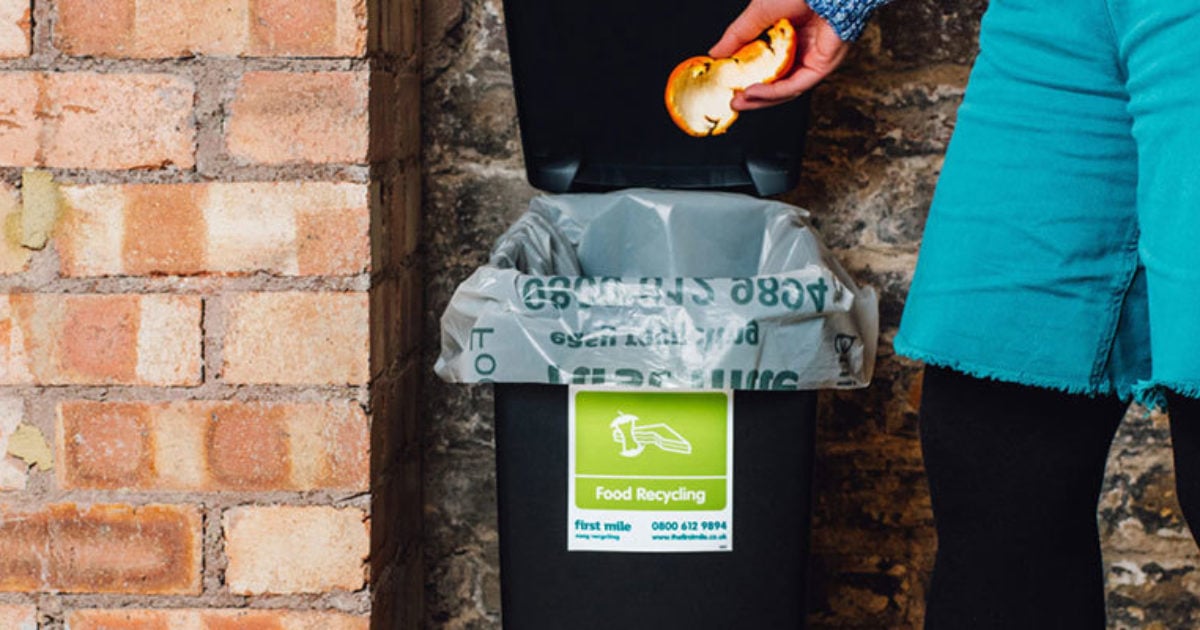
- Food waste
- Residual waste that cannot be recycled
Dry recyclables can often be collected together as mixed recycling if your provider manages them appropriately. Food waste must be kept separate from other streams.
These workplace recycling rules apply to most business types, including:
- Offices
- Retail stores
- Hospitality venues
- Healthcare settings
- Educational sites
If your organisation produces waste as part of its activities, the rules are likely to apply.
If you’d like a broader overview of how legislation fits together, our guide to business recycling laws explains the framework clearly.
What if you’re a micro business?
A micro business is generally defined as having fewer than 10 full time equivalent employees. Under simpler recycling legislation in England, micro firms have a later compliance deadline of 31 March 2027.
That extension gives smaller businesses more time. Still, early preparation makes sense. It reduces disruption, helps you budget properly, and supports smoother alignment with wider business waste compliance expectations.
Do you need separate bins?
In most cases, yes. Different waste streams must be collected separately, or clearly separated later in the process by your waste contractor.
Contamination happens when the wrong materials end up in the wrong bin. For example, food waste mixed with dry recyclables. When that happens, loads can be rejected or redirected to general waste. That can mean higher costs and potential compliance concerns.
Use this quick check list:
- Review your current bin setup
- Confirm which streams are being collected
- Train staff on correct separation
- Update signage so it’s simple and clear
If you need compliant collections for general waste, mixed recycling, food recycling or glass recycling, the right setup makes all the difference.

Packaging EPR explained for businesses
Packaging EPR is one of the most significant business waste legislation changes in recent years. It changes who pays for managing packaging waste and how data is reported.
If your business handles packaging, you need to understand where you stand.
What is extended producer responsibility?
Extended producer responsibility packaging, often shortened to packaging EPR, is a policy that shifts the cost of managing packaging waste onto producers.
In simple terms, if your business imports, manufactures or supplies packaged goods above certain thresholds, you may need to:
- Collect and report packaging data
- Pay fees linked to the type and volume of packaging you place on the market
The aim is to encourage better packaging design and improve recycling outcomes across the UK.
Who is affected and who is not?
Whether packaging EPR applies to you depends on:
- Your annual turnover
- The total amount of packaging you handle in a year
- Your role in the supply chain
There’s a small producer category with lighter reporting requirements if you fall below certain thresholds. Larger producers have more detailed reporting and financial obligations.
If you’re unsure, it’s important to review official guidance and seek advice. Even if you’re not directly obligated, understanding extended producer responsibility packaging helps you manage supplier conversations and internal risk.
What should you do now?
Start by gathering accurate packaging data. Identify:
- What packaging you handle
- Volumes and materials
- Who owns compliance internally
Finance, operations and procurement teams often need to collaborate.
It also helps to work with a waste partner that understands both operational collections and reporting. Our business waste and recycling services support compliant collections and clear data visibility, which simplifies business waste compliance.
Digital waste tracking: preparing for more transparency
Digital waste tracking is a planned UK-wide system that will record waste movements electronically. Instead of relying only on paper waste transfer notes, information will be logged digitally.
The system is expected to be introduced from April 2026, subject to final government confirmation.
Why it matters:
- It strengthens your waste duty of care
- It improves traceability
- It reduces paperwork over time
Waste duty of care means you’re legally responsible for ensuring your waste is handled safely and transferred to authorised providers.
To prepare now:
- Make sure your waste transfer documentation is accurate
- Work with a licensed and compliant waste contractor
- Review your internal record keeping processes
Our overview of digital waste tracking explains what to expect and how to prepare.

Your 2026 waste compliance checklist
If you’re wondering how to stay compliant with waste regulations in 2026, start here.
- Confirm which legislation applies to your business
Check your location and business size. Confirm whether the micro business recycling exemption applies in England. - Audit your waste streams
Identify dry recyclables, food waste and residual waste. - Ensure correct separation
Put the right bins in place and confirm collections support food waste separation for your business where required. - Review packaging obligations
Assess whether packaging EPR affects you and gather accurate data. - Check documentation and waste duty of care processes
Keep records organised and accessible. Digital waste tracking will increase transparency. - Train staff
Clear communication reduces contamination and supports workplace recycling rules. - Speak to your waste provider
A proactive partner can help you stay aligned with commercial waste regulations in 2026 and manage risk effectively.
You can also explore the wider benefits of recycling for a business to see how compliance supports performance and reputation.
Stay confident with your waste compliance in 2026
Legislation will continue to evolve. That’s part of doing business in a more sustainable economy. But the fundamentals of 2026 waste compliance are clear. Separate correctly. Document properly. Understand your responsibilities. Work with experts who know the details.
When your systems are simple and your collections are compliant, business waste compliance becomes routine, rather than stressful.
First Mile supports organisations across the UK with reliable services, transparent reporting and practical guidance. We focus on making sustainability achievable and straightforward.
Need a hand reviewing your waste setup? Talk to our team and we’ll help you get compliant with confidence.
Frequently asked questions about waste compliance in 2026
What is waste compliance 2026?
Waste compliance 2026 is a broad term businesses use to describe current and upcoming requirements around workplace recycling rules, packaging EPR and digital waste tracking. It reflects ongoing business waste legislation changes rather than one single law.
Do all UK businesses have to separate food waste?
In England, most workplaces must separate food waste under simpler recycling legislation, subject to timelines and the micro business recycling exemption. Rules differ across Scotland, Wales and Northern Ireland, where food waste separation has already been established in many sectors.
What happens if my recycling is contaminated?
Contamination means the wrong items are placed in the wrong bin. If this happens, recycling loads can be rejected or treated as general waste. That may result in higher charges and potential compliance concerns under your waste duty of care.
Does packaging EPR apply to small businesses?
Packaging EPR applies based on turnover and the amount of packaging you handle. Small producers below specific thresholds have lighter reporting duties. Always check the latest official guidance to confirm your position.
When will digital waste tracking start?
Digital waste tracking is expected to be introduced from April 2026 across the UK, subject to final confirmation. Businesses should prepare now by improving documentation and working with compliant waste providers.