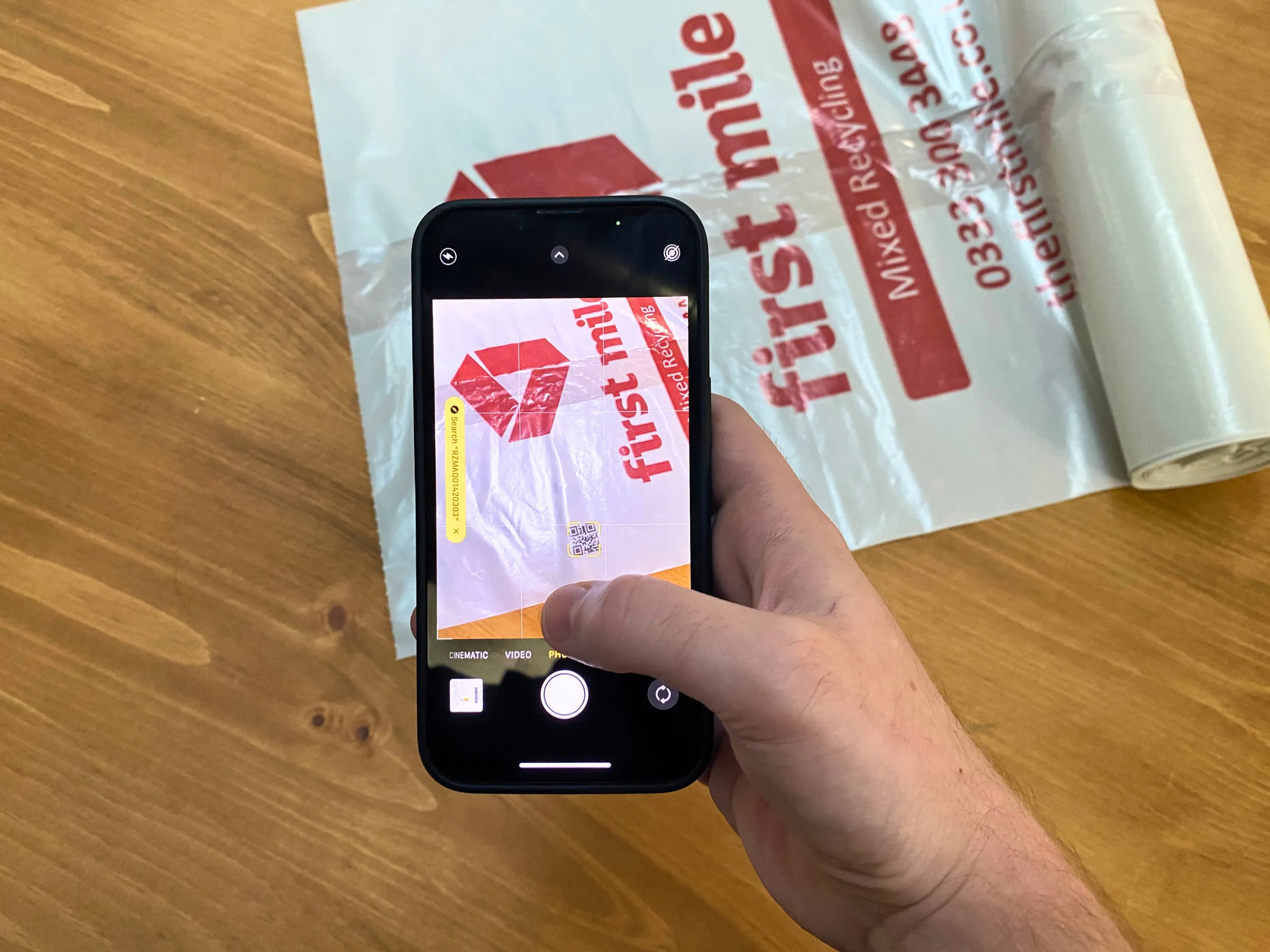

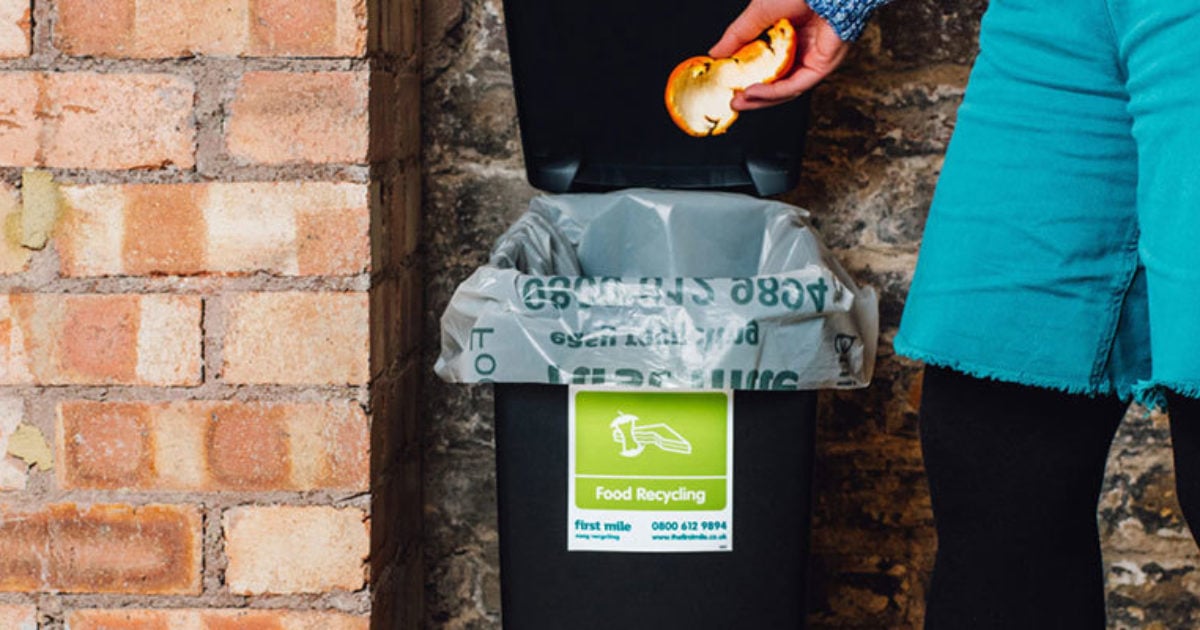







Digital Waste Tracking (DWT) is the UK's move to a fully electronic record of waste, from the point it's created to its final destination. It aims to drastically cut waste crime such as fly tipping. Our Digital Waste Tracking guide explains what it means to producers of waste.
If your business produces waste, an office, a warehouse, a shop or a hospitality site, rather than one that collects, receives or deals in it, you're probably asking, does DWT apply to me yet? The honest answer is not directly. Phase 1, mandatory from October 2026, applies to the sites that receive your waste. Phase 2, from October 2027, applies to the carriers and brokers that move it. The Department for Environment Food and Rural Affairs (Defra) hasn't set a mandatory date for producers at all.
That doesn't mean your responsibilities disappear, though. Your duty of care for waste already exists, DWT doesn't create or alter it. Here's what that looks like in practice, and what's worth checking on a regular basis.
What duty of care actually means for a producer
In plain terms, duty of care means you're responsible for making sure your waste ends up with people who are actually authorised to handle it, and that it's accurately described when it's handed over. That responsibility doesn't stop the moment a collection leaves your premises. If your waste is later found dumped illegally or handled badly, and it can be traced back to you, you can be held responsible even though you weren't the one who dumped it.
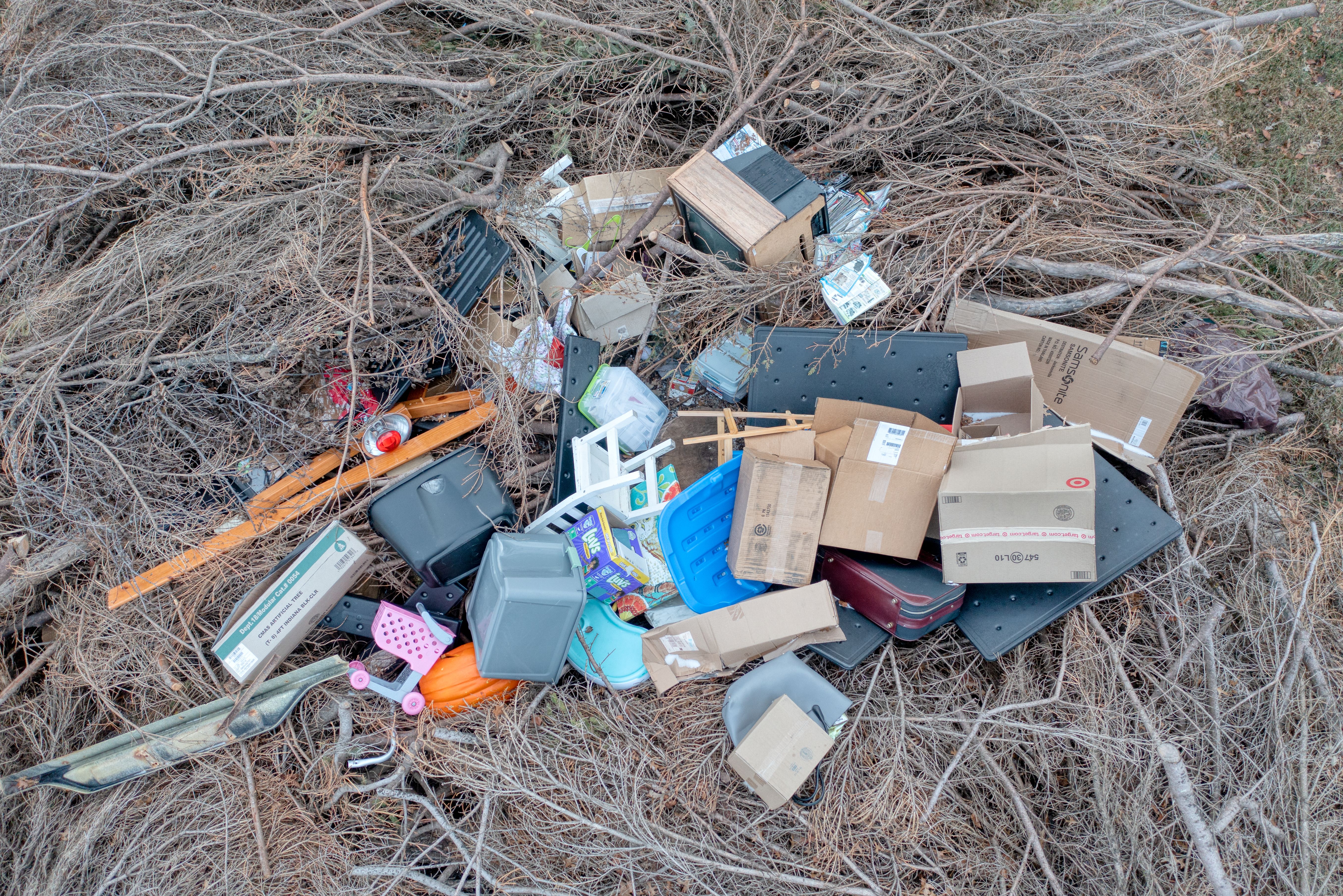
Under the Waste Duty of Care Code of Practice, issued under Section 34 of the Environmental Protection Act 1990, the core requirements are straightforward: transfer waste only to an authorised person, such as a registered carrier, broker or dealer, or a permitted site, give an accurate written description of what you're handing over, and keep records of the transfer. Failing to meet this duty is a criminal offence, and there's no upper limit on the fine a court can impose.
This is exactly why choosing the right waste provider matters. A properly registered, well-organised provider is effectively carrying out your duty of care on your behalf, logging movements correctly, keeping accurate records and being ready to prove where your waste went. That's the real value in choosing carefully, and checking in regularly.
What to check and ask your provider
Since your provider is the one doing the day-to-day work under DWT, the most useful thing you can do is check that the business handling your waste is properly set up to do it. A few things are worth asking, or checking yourself where the information is public.
-
Are they registered correctly? Every carrier, broker and dealer must be registered with the Environment Agency, or the equivalent regulator in Scotland, Wales or Northern Ireland. You can check this yourself on the Environment Agency's public register of waste carriers, brokers and dealers. A lapsed registration you haven't noticed is a gap in your own due diligence, not just theirs.
-
Do they log movements properly, and on time? Waste receiving sites are required to enter records within two working days of a load arriving. Ask your provider how they handle this, whether it's built into their own systems or done manually. A provider who treats this as routine is far less likely to leave gaps in your records.
-
Can they reconcile what's logged against what actually happened? A good provider cross checks their digital records against real collections as a matter of course. Ask how and how often. A provider confident in their own process should have a clear, simple answer.
-
Can they produce an audit trail if asked? If a regulator asked you where your waste went, could your provider give you clear, organised records quickly? A vague answer here is worth following up before it becomes a problem.
Obtain this information in writing, an email will suffice, and you have evidence that you are fulfilling your duty of care and can prove it.
Keep an eye on how Digital Waste Tracking evolves
Defra hasn't confirmed a mandatory date for producers, but that does not mean producers will be out of scope forever. Phase 1 covers receiving sites from October 2026, Phase 2 covers carriers, brokers and dealers from October 2027, and it's reasonable to expect producer obligations to be defined at some point after that. Defra and the Environment Agency both publish updates as the rollout progresses, so it's worth checking in every so often rather than being caught out later.
Your own evidence trail
Since you don't hold DWT system records yourself, your audit trail looks a little different to your provider's. What you need is proof that you've done your due diligence. Keep a record of your provider's registration details, when you last checked them, and copies of your waste transfer notes or digital tracking references for what's left your site. Keep this somewhere organised and easy to produce. In a duty of care investigation, being able to show you checked matters just as much as your provider actually being compliant.
Where RecycleID™ and Recycling Data Studio fit in
For a producer, the value of these tools isn't really about DWT compliance directly (yet), it's about visibility. RecycleID™ captures data on your waste at the point it's collected, by area, site or tenant, so you can see exactly what left your premises and when, rather than relying on your provider's word for it. Recycling Data Studio then brings that data together into one dashboard, giving you the kind of clear, ready to produce record that duty of care actually calls for, without you needing to build it yourself. It's less about ticking a DWT box and more about having genuine confidence in where your waste goes.
Should Defra introduce waste producer obligations under DWT, these tools put you in a great place to automate the reporting requirements.
Having access to this data also puts improvement in your hands, rather than leaving it with your provider. Spotting contamination hotspots or collections running under capacity lets you fix the cause rather than paying for it month after month, reducing your collection costs over time. It also turns your sustainability reporting into something built on real, verified numbers.
Talk to our experts about your waste duty of care
Not sure whether your current provider covers everything your duty of care requires? Our team can talk you through what good practice looks like, and how RecycleID™ and Recycling Data Studio give you visibility over your own waste.
Does Digital Waste Tracking apply to my business if I only produce waste?
Not directly, and not yet. Phase 1 applies to waste receiving sites from October 2026, Phase 2 applies to carriers, brokers and dealers from October 2027, and Defra hasn't confirmed a mandatory date for producers. Your duty of care obligations apply regardless of DWT's rollout.
What is my duty of care as a waste producer?
Under Section 34 of the Environmental Protection Act 1990, you must transfer your waste only to an authorised person, provide an accurate written description of it, and keep records of the transfer. Failing to meet this duty is an offence with no upper limit on the fine.
How do I check if my waste carrier or broker is registered?
You can search the Environment Agency's public register of waste carriers, brokers and dealers, which is free to use and shows current registration status.
Am I responsible if my waste provider doesn't comply with Digital Waste Tracking?
Your duty of care means you're responsible for choosing a properly authorised provider and checking on them periodically. If your waste is mishandled and it's traced back to you, you can still be held responsible, even if you weren't the one who mishandled it.
What records should I keep as a waste producer?
Since you don't hold DWT system records yourself, keep evidence of your own due diligence: your provider's registration details, the dates you checked them, and copies of transfer notes or tracking references for your waste.
Sources
-
Legislation.gov.uk - DWT is introduced under Section 58 of the Environment Act 2021
-
Legislation.gov.uk - Records must be entered and checked in the system by the end of the second working day after a load is received (regulation 4(4) and 4(8))
-
Legislation.gov.uk - Digitally excluded operators must retain written records for at least three years (regulation 12)
-
Legislation.gov.uk - Non-compliance can lead to fixed monetary penalties, variable monetary penalties and compliance notices (regulation 19 and Schedule 2)
-
Gov.uk - Registration is via a Defra account using Government Gateway or GOV.UK One Login
-
Gov.uk - Phase 1 (receiving sites) is mandatory from 1 October 2026 in England, Wales, and January 2027 in Scotland, Northern Ireland