


As Plastic Free July nears its end, it is important that its momentum and messaging does not quietly fade away. Even though the month ends, old habits should not creep back in. Reducing plastic is only half the job. Knowing what to do with what is left is the other half. This guide explains everything you need to know about how to recycle plastic in the workplace.
Can plastic be recycled?
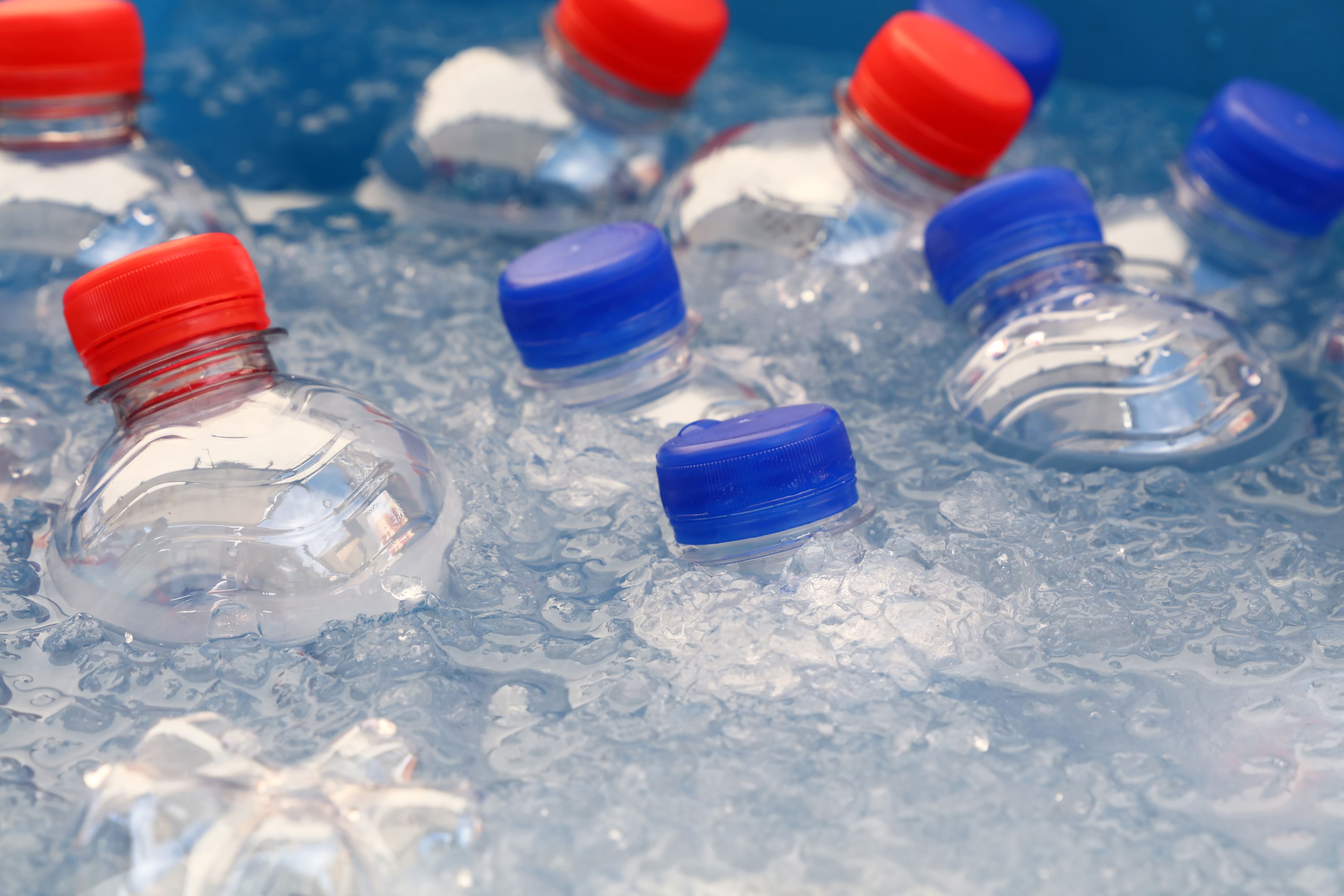
You might wonder whether all your workplace plastic can be recycled. The answer is not straightforward and depends on the type of plastic in your waste. The Society of the Plastics Industry (SPI) introduced the resin identification code in 1988 and these codes help you know what goes into your bins. Although not legislation, some manufacturers print these codes on labels to aid sorting. You can find a full breakdown of packaging codes and symbols in our recycling symbols guide.
Here is a practical reference for the seven main types of plastics listed in the Resin Identification Coding System and the recyclability of plastic types in the UK:
| 1. PET (Polyethylene Terephthalate) |
| Used for drinks bottles and in plastic packaging materials. |
| Can plastic be recycled? |
| Yes. |
| 2. HDPE (High-Density Polyethylene) |
| Used for cleaning product bottles and milk cartons. |
| Can plastic be recycled? |
| Yes. |
| 3. PVC (Polyvinyl Chloride) |
| Used for pipes and window fittings. |
| Can plastic be recycled? |
| Generally not recycled due to high levels of chlorine and toxic plasticisers that contaminate recycling streams and can release dangerous chemicals. |
| 4. LDPE (Low-Density Polyethylene) |
| Flexible plastic used for plastic bags, bread bags, and wrapping. |
| Can plastic be recycled? |
| Yes. |
| 5. PP (Polypropylene) |
| Used for some tubs and trays, yoghurt pots, and single use coffee cups. |
| Can plastic be recycled? |
| Yes. |
| 6. PS (Polystyrene) |
| Rigid polystyrene used for disposable cutlery and takeaway boxes. |
| Can plastic be recycled? |
| Generally not recycled due to low density and high contamination risks. |
| 7. Other (A catch-all category for items made from multiple resins or complex plastics) |
| Used for crisp packets, sweet wrappers and rice packets. |
| Can plastic be recycled? |
| Generally not recycled due to the complex composition of the materials. |
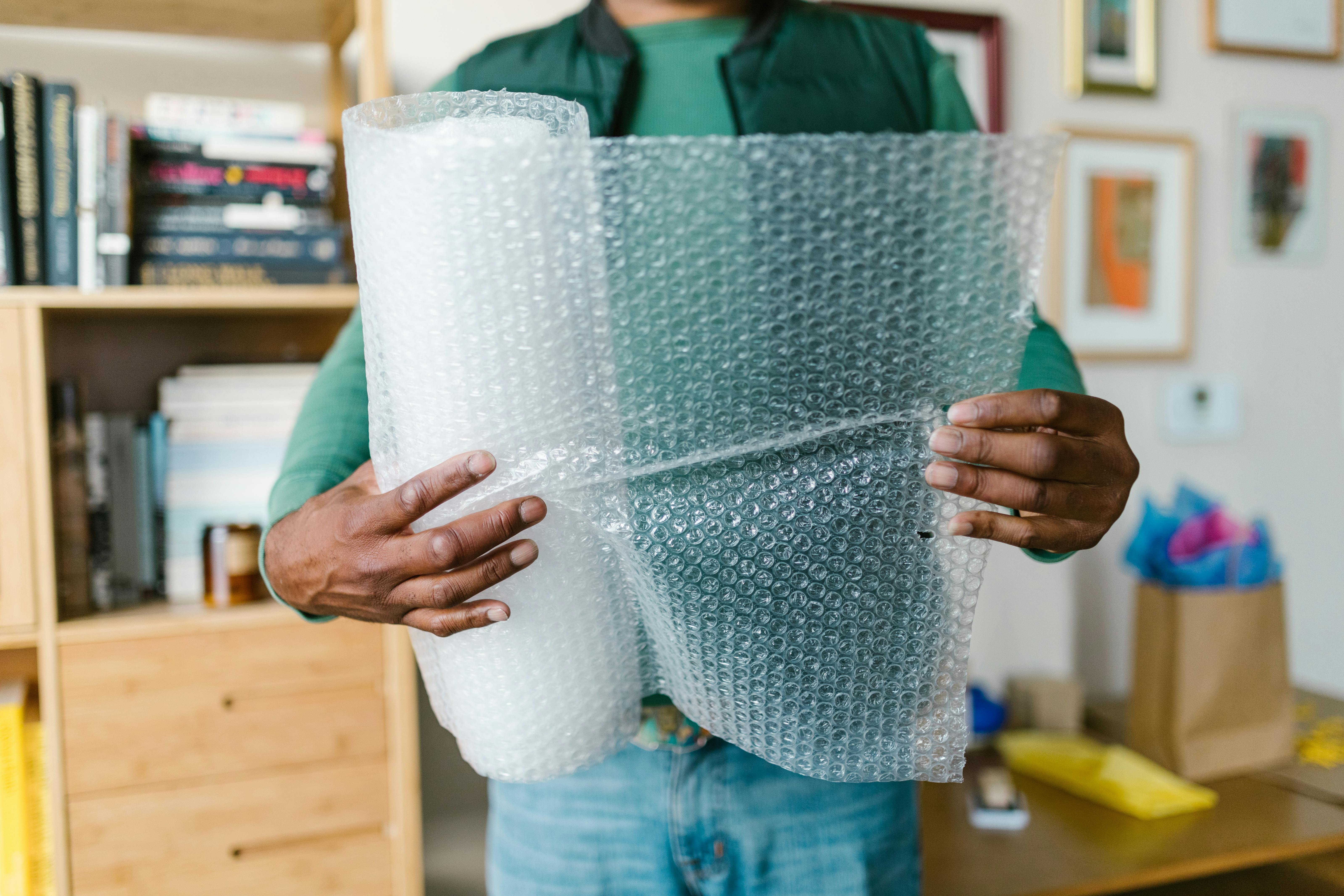
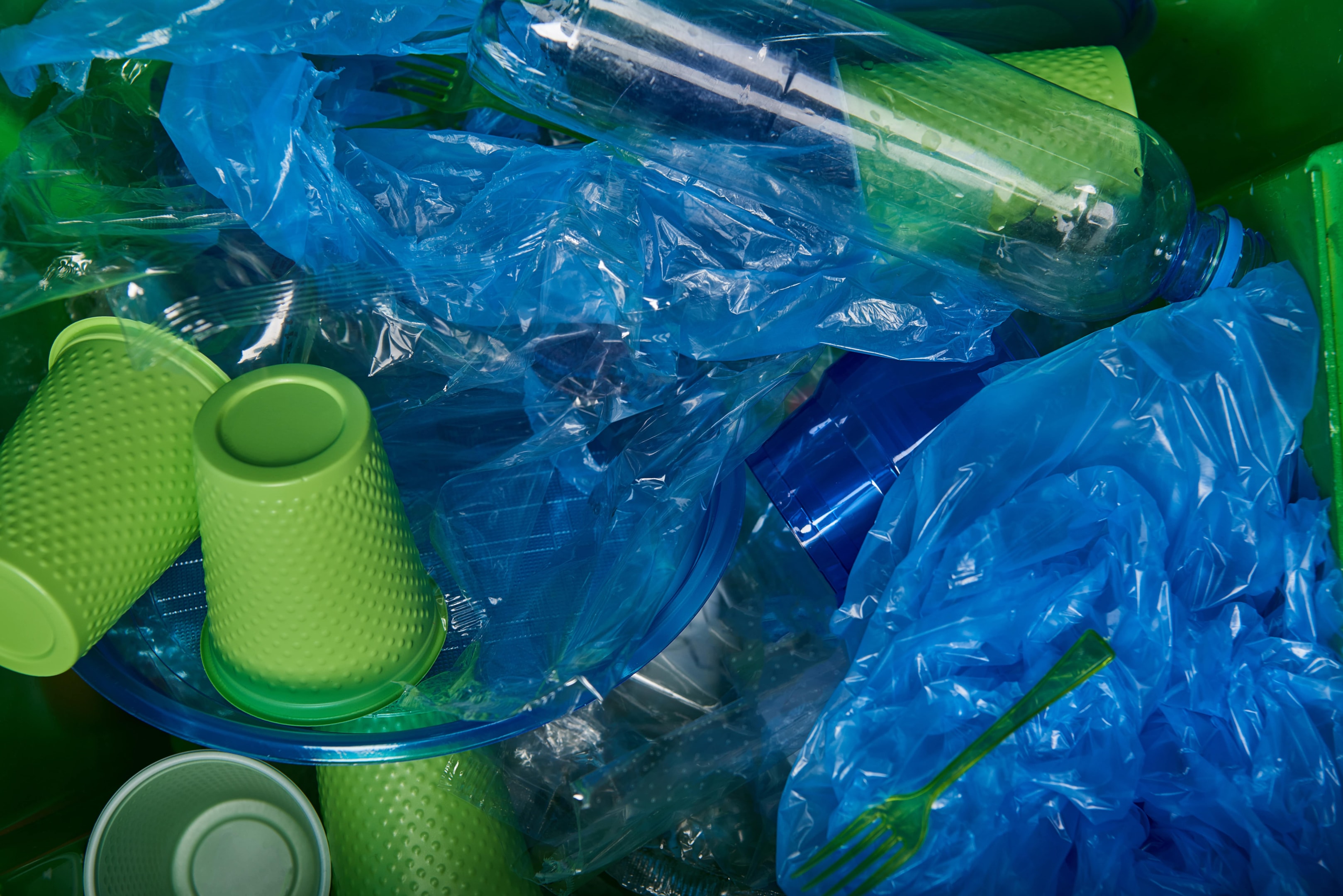
Can plastic be recycled then? Some can, and some require specialist facilities to recycle. When managing plastic waste, it helps to identify materials as either rigid or soft. Rigid plastic includes fruit trays, yoghurt pots, and food containers. Flexible plastics include cling film, supermarket bags, and bubble wrap.
Rigid (PET, HDPE, and PP) and flexible (LDPE) plastics are the most widely recycled platics across the UK, but importantly, need to go in different recycling streams.
At First Mile, we have a zero-to-landfill policy, so plastic like polystyrene that is difficult to recycle, never ends up in landfill.
How to recycle plastic properly
Knowing how to recycle plastic in the workplace comes down to identifying streams and prepping plastic correctly.
A good place to start is to identify the plastic hotspots in your workplace. We have a plastic free guide to help you understand how to recycle plastic. The guide identifies potential hotspots and advises on how to encourage staff engagement.
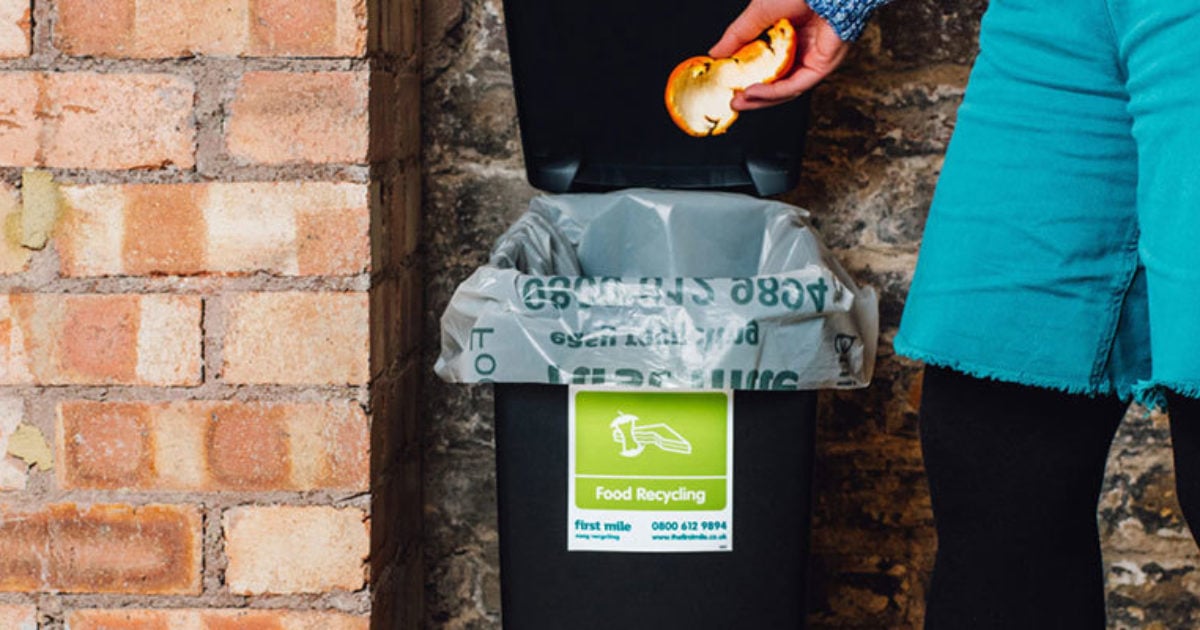
The ‘can plastic be recycled’ section above highlighted identifying rigid and flexible plastics. Having separate bins for both, with clear signage, is a good way to capture most of the plastic waste in your place of work for recycling.
Plastic does not need to be spotless, just clean and free from contaminants like food residue so there is no need for scrubbing, a simple rinse will do. We also help customers reduce contamination through bin placement and staff training. If you require signs, we have a range of posters that are free to download.
To illustrate how to recycle plastic via your waste vendor, we’ll look at the First Mile recycling services to illustrate ways for your businesses to do this:
- For rigid plastics, the Single-Use Plastics Recycling service handles items like plastic bottles, food containers and cleaning bottles. Visit the service page to see exactly what can and cannot be recycled using this service.
- The Flexible Plastics Recycling service handles soft materials like bubble wrap and carrier bags. The Simpler Recycling legislation is already in effect, but upcoming changes mean flexible plastics will become a mandatory separate waste stream for all businesses on 31 March 2027. Setting up the infrastructure and processes now helps you get ahead of the changes.
- Dry Mixed Recycling is available for businesses too small to justify separate streams. Dry mixed recycling is a practical fallback. It does not cover flexible plastic waste, but plastic bottles, tops, and tubs can go in alongside paper, card, glass, and metal.
The plastic recycling process
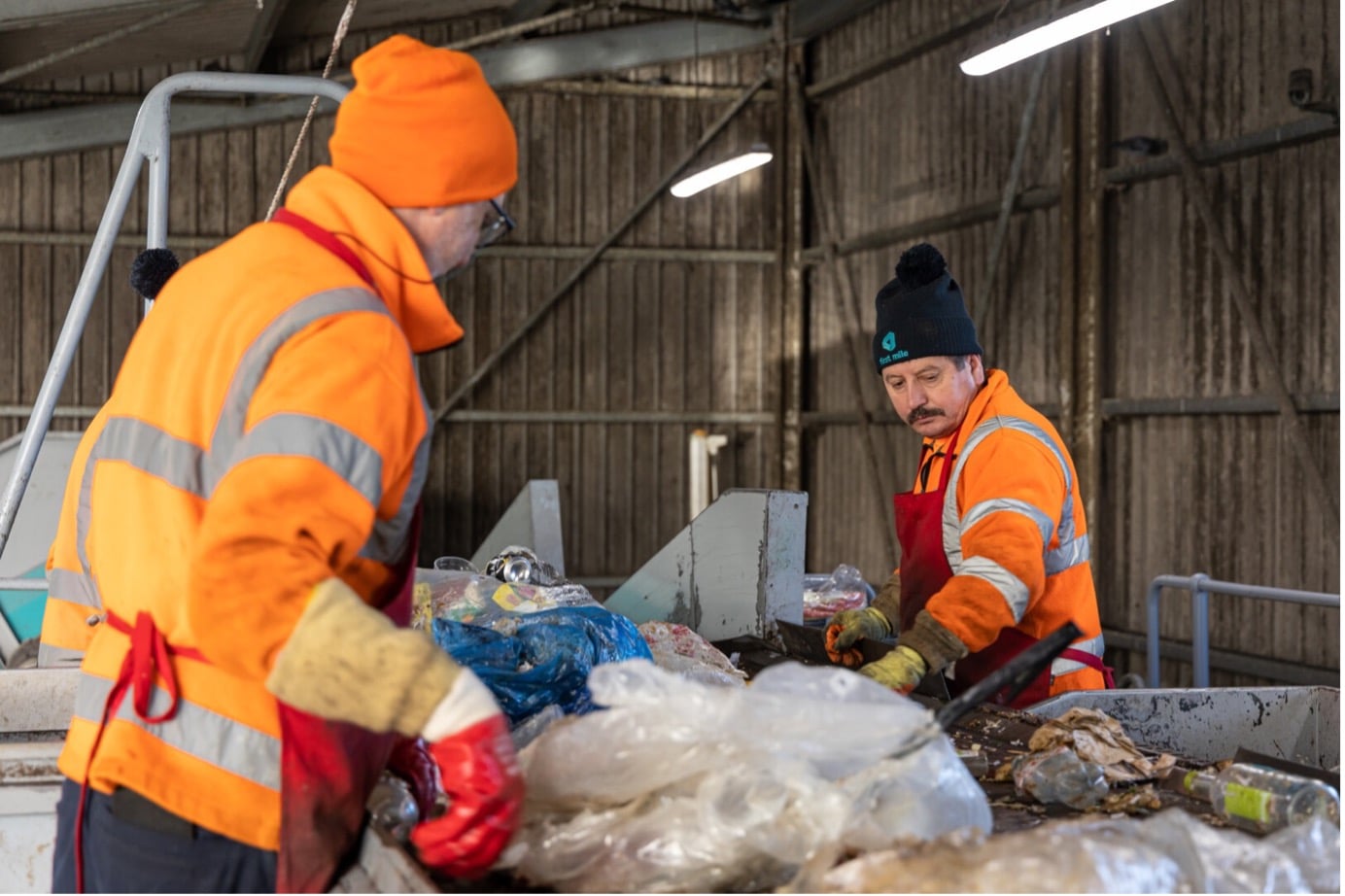
So what actually happens after the bin? The plastic recycling process is our specialty and we have first hand experience to explain the process.
All collections go to First Mile's own sorting facility, the Sactory®. Here, material is hand sorted into recycling and general waste. The site processes around 100 tonnes a day. Plastic is sorted by colour and type via the resin code, then moved to a specialist facility.
For PET, HDPE and PP plastics, each separate plastic type goes through its own plastic recycling process:
- Cleaning: Plastics are prewashed and run through a laser sorter to separate clear from green plastic. Labels, caps, and contaminants are removed in a hot soapy process.
- Shredding: The material is shredded into flakes.
- Washing: The flakes are washed.
- Melting: The material is heated and melted down.
- Filtering: The melted plastic is filtered to catch lingering contaminants.
- Pelletising: The filtered plastic is formed into pellets.
- Manufacturing: Plastic pellets are manufactured into new raw material, becoming things like polyester fabric and carpets, or are turned back into bottles, food containers, and other plastic products.
The plastic recycling process is similar for flexible materials. Collected soft plastic is checked by the First Mile team at a depot, baled, and then sent to a processing partner. It is cleaned, shredded, and melted into pellets, which are reprocessed into new plastic bags and other soft plastic products.
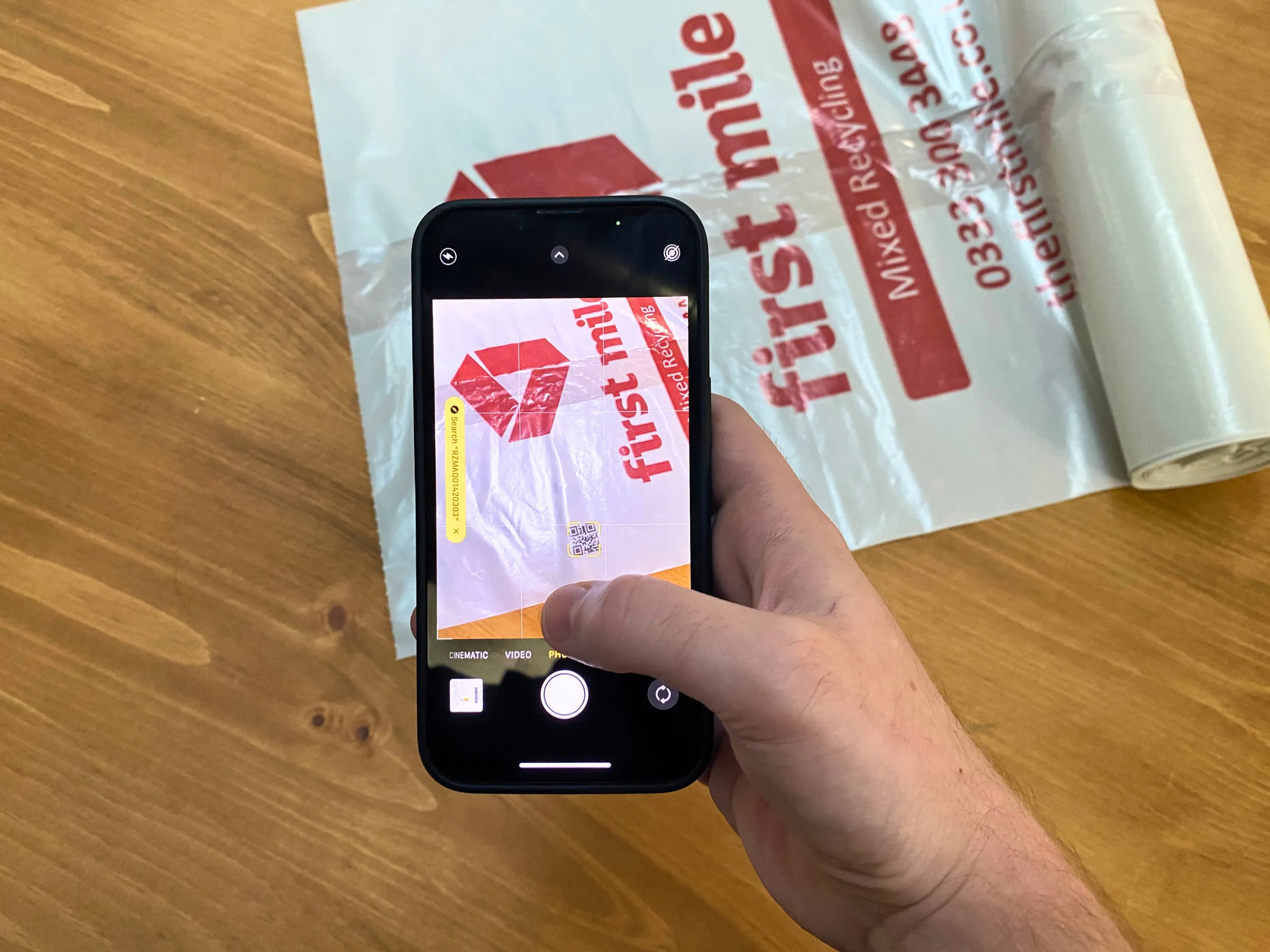
We believe in a genuine closed loop system, where recycled items get used again and again and that valuable resources stay in the economy. First Mile puts this into practice with our own collection sacks being made from 100% recycled plastic. To illustrate the importance of this closed loop system, the reused soft plastic that would otherwise take up to 1,000 years to break down in landfill, can be back in use within weeks.
For difficult materials like PVC and polystyrene that cannot be recycled easily, they go to general waste. However, First Mile never sends anything to landfill. Non-recyclable waste is incinerated. The electricity is sent to the National Grid, and the heat is used to provide heating and hot water to over 100,000 UK homes. Ash by-products are reused as construction aggregate.
Increase recycling and stop plastic entering landfill
If you are looking for a partner to recycle more business waste and ensure that none of it ends up in landfill, get in touch with First Mile. We can provide a free audit to help you understand your recycling needs, and our zero-to-landfill policy ensures that none of your waste ends up in the ground.
Sources:
-
Royal Society of Chemistry: PVC recycling difficulty
-
Chemistry Europe: PS recycling challenges
-
Upcycling Plastic Waste into Valuable Carbon Nanomaterials - Chi - 2024 - ChemNanoMat - Wiley Online Library: Resin code 7 recycling difficulty.
Can plastic be recycled if it is not totally clean?
Plastic does not need to be spotless, just clean and free from contaminants like food residue.
What is the plastic recycling process for bottles?
PET bottles are cleaned, shredded into flakes, washed, melted, filtered, pelletised, and then manufactured into new raw material.
How do we manage waste in a small office?
Dry mixed recycling is the practical fallback for small businesses. Plastic bottles, tops, and tubs can go in alongside paper, card, glass, and metal.
Can soft plastic be recycled?
Collected soft plastic is checked, baled, cleaned, shredded, and melted into pellets. These pellets are reprocessed into new plastic bin bags in a genuine closed loop process.
Does hard to recycle plastic end up in landfill?
First Mile operates a zero-to-landfill policy for hard to recycle plastics. They are incinerated and turned into electricity and heat to warm homes and hot water.