




What is the Deposit Return Scheme?
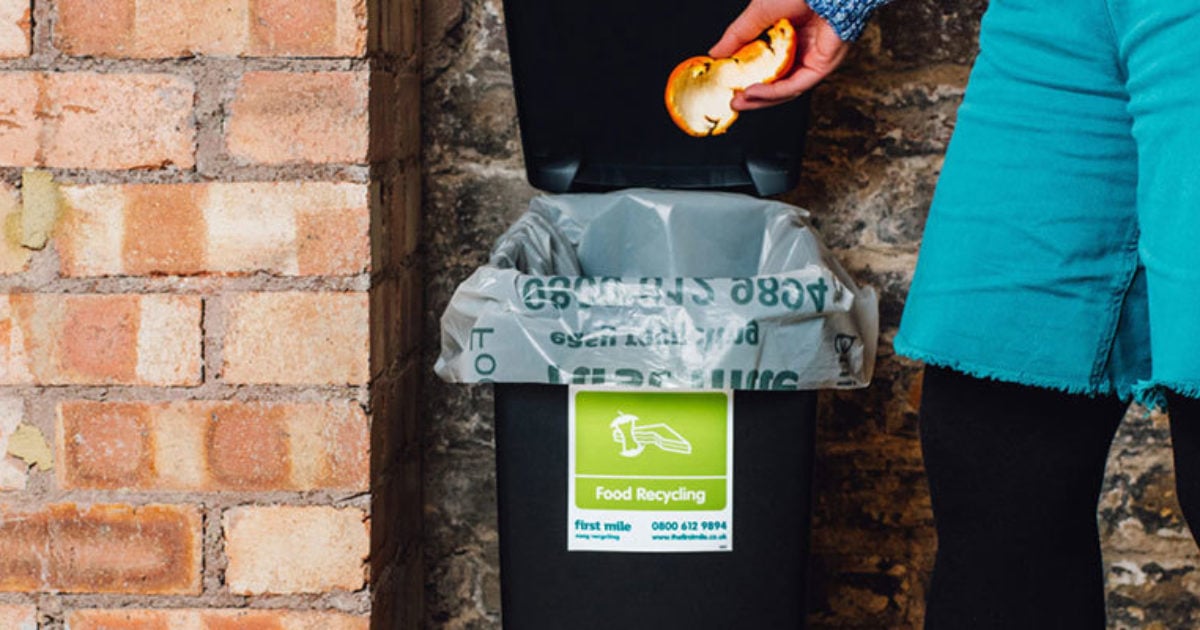
From 1 October 2027, a small refundable deposit (around 20p) will be added to every eligible single-use plastic bottle and aluminium can sold in the UK. Consumers get the deposit back when they return empty containers to a registered collection point or reverse vending machine.
The scheme, run by Exchange for Change, aims to divert an estimated 24.5 billion drinks containers per year into a dedicated closed-loop recycling system — dramatically improving recycling quality and reducing litter nationwide.
Any retailer or hospitaity venue purchasing in-scope drinks wholesale will have to pay the 20p deposit. They may also be required to host a registered returns point for consumers, or wish to source seperate materials to recoup their own costs.
| Return type | Manual Returns | Reverse Vending Machine | Container Collection |
|---|---|---|---|
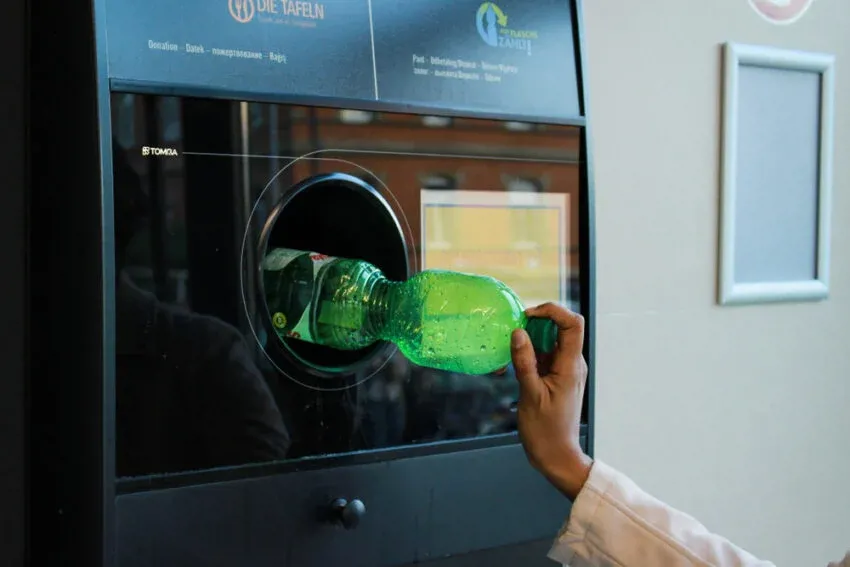
| How it works | Staff take the empty containers by hand and refund the deposit via the till. | Customers feed containers into a machine which issues a refund voucher. | Your provider collects empty containers from site and reclaims the deposit for you. |
| Best suited for | Smaller shops with lower footfall and limited floor space. | Larger stores expecting a high volume of returns. | Businesses where drinks are mostly consumed on-site, with no need to serve public returns. |
| Staff time | Requires staff interaction for every single return. | Fully automated, freeing up staff for other tasks. | Minimal, just keep containers separated ready for collection. |
| Storage | Containers must be safely stored in the back room by staff. | The machine crushes and stores the containers internally. | Containers are stored until your next scheduled collection. |
What must grocery retailers do to comply with DRS?
If you're a grocery retailer, you will need to register with Exchange for Change to operate a returns point to refund the deposit to customers (unless you qualify for an exemption).
Larger grocery retailers will likely host reverse vending machines onsite. For smaller retailers, this may not be possible. In this case, manual collections, where a member of staff accepts the container over the counter, may be more appropriate.
Manual collections counts as a valid public return point under the scheme, and will attract a handling fee. Regardless of return point type, Exchange for Change will arrange the physical transport from return points to counting and sorting centres, utilising contracted logistics and recycling infrastructure. More details on this will be announced soon.
First Mile's manual returns support for in-scope retailers
First Mile can help you work out whether manual collections are the right fit for your site, based on your space, footfall and expected volumes. We can also support you with the practicalities such as storage layout, staff process and keeping seperated containers safely until they're ready to be collected.
Manual collections are a lower cost way to comply with DRS than installing a reverse vending machine.
Get in touch with our DRS consultants to talk through the right approach for your business, whether that's a manual return point, a reverse vending machine, or a mix across sites.
What do other retailers and hospitality venues need to consider?
If you are not required to host a returns point as part of the scheme but sell in-scope drinks at your sites, you will still be impacted by the scheme. When you purchase cans and bottles wholesale, the 20p deposit will be included in the price.
This could be a substantial additional cost for your business, that is worth considering now as may also mean changes to how you charge customers.
If the drink leaves your premises, you will be required to charge the customer a 20p deposit at the till and pass the cost straight through. They can reclaim it themselves at any registered return point once they're finished with the container.
If the drink is consumed on site, you don't have to charge the customer, and in Scotland you're not permitted to. But, you've already paid the deposit to your supplier, so you will need a way to collect containers for return if you wish to recoup the cost.
If that sounds like your business, our voluntary DRS solutions page covers the options in more detail for offices, workplaces and hospitality venues.
How First Mile is supporting other retailers and hospitality venues
Separate container collection is a straightforward way to recover the deposit on drinks you've already paid for, particularly useful if most of what you sell is consumed on-site rather than taken away. We can support businesses with seperated container collection to enable them to recoup the deposit paid on in-scope drinks.
Containers will need to be stored separately to other waste, and kept until collected by your provider. They will then collect empty containers directly from your site, and reclaim the deposit on your behalf.
First Mile will be supporting customers with this type of separated container collection - contact us to find out more.
Manual Returns for DRS FAQs
How does a manual DRS return point actually work?
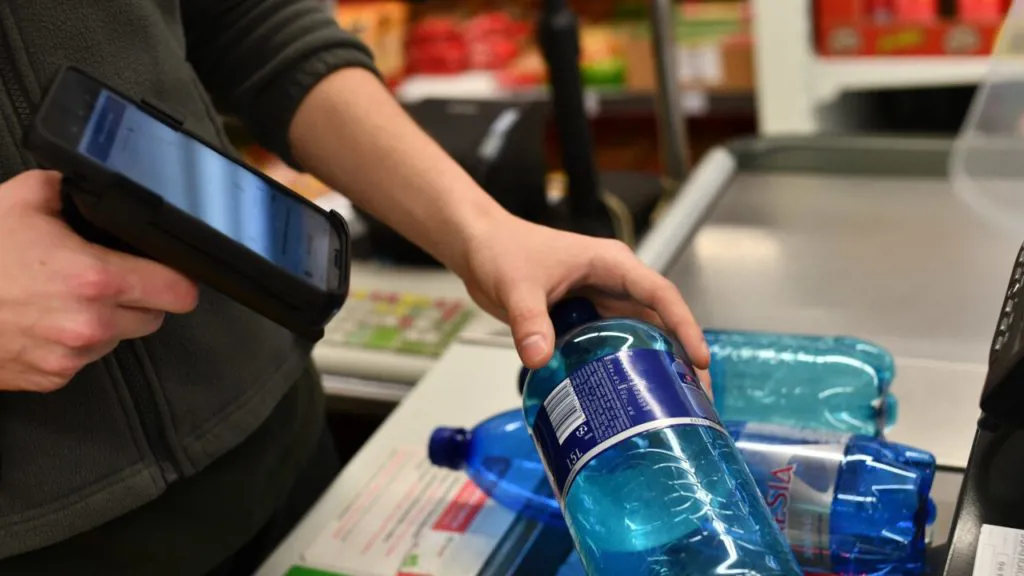
A member of staff takes the empty container from the customer, checks it's part of the scheme, usually by scanning a barcode or checking the DRS logo, and refunds the deposit through the till. The container is then stored safely until it's collected. No machine is required, though you'll still need suitable storage space.
Do I need any special equipment to run a manual return point?
You'll need somewhere secure to store returned containers until collection, and your till system will need to add and track the 20p deposit. Beyond that, there's no machine to buy or install, which is what keeps the upfront cost of a manual return point low compared to a reverse vending machine.
How much do I get paid for accepting manual returns?
Manual return points are paid a Return Handling Fee of 3p per container, on top of recovering the deposit you already paid your supplier. It's designed to cover staff time, storage space and equipment.
Will running a manual return point slow my staff down during busy periods?
It can, since every return needs a staff member to check, refund and store the container. This is the main trade off against a reverse vending machine, which handles returns automatically. Whether that matters depends on your expected footfall, something First Mile can help you work through.
Is a manual return point enough to comply with DRS, or do I need a machine too?
A manual return point is a fully valid way to meet your DRS obligations. There's no requirement to install a reverse vending machine, retailers can choose whichever return point method suits their space, footfall and budget.
What happens to containers once they've been collected from my manual return point?
First Mile can collect your stored containers as part of your existing recycling service, with full reporting so you know exactly what's being taken and when, keeping the process straightforward alongside your other waste streams.