





On Tuesday 3 November 2026, I spoke at the National Waste Crime Conference, an event run by letsrecycle.com at Cavendish Venues on Hallam Street in London. My session focused on how customers and waste operators can work together to prevent waste crime. Waste crime damages the environment, erodes public confidence, and leaves legitimate businesses and local communities to foot the bill.
Operators who break the rules and commit waste crime have an unfair advantage as they cut corners and keep costs low. Achieving good environmental outcomes depends on responsible waste operators and customers adopting high standards to prevent rogue players blighting our communities.
Watch the full talk
The sections below recap the main points from my session.
The scale of the problem and where the waste chain breaks
The scale of waste crime across England is an urgent challenge. According to the Environment Agency, one in five tonnes of waste is illegally managed, yet only one in four waste crime incidents is ever reported. Research from the Environmental Services Association shows that waste crime costs the English economy around £1 billion every year. On top of that financial implications, the damage done to our natural environment is immeasurable.
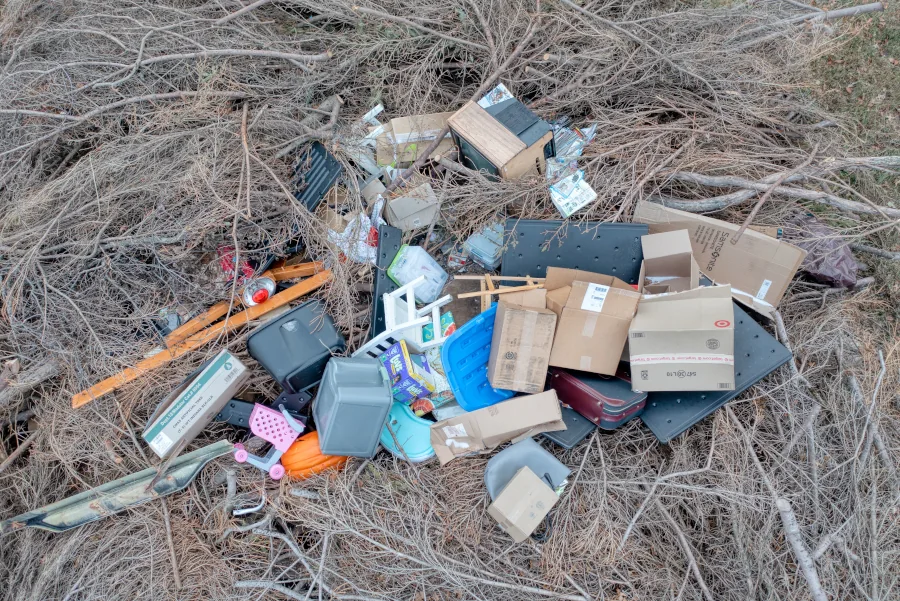
While illegal dumpsites make the headlines, problems often start earlier with routine handovers between legitimate organisations. A typical waste chain passes materials from the business producing the waste to a collector, and potentially through brokers, subcontractors, and transfer stations before reaching a final destination. Each handover has the potential for information to be lost and legal responsibility to become blurred. Poor processes, like completing paper records long after collection, create the conditions for wrongdoing to hide. A single paper transfer note proves that one handover took place, but it cannot demonstrate the full journey or final fate of the material.
What a traceable waste chain looks like
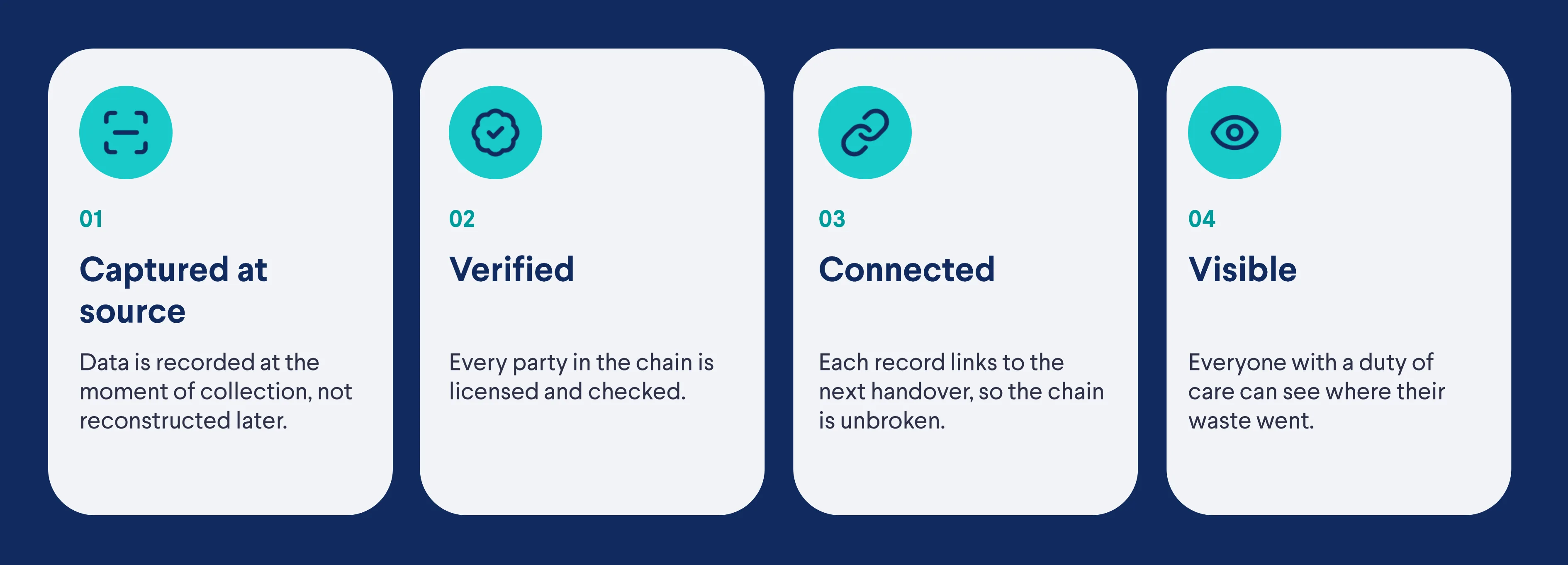
To close those gaps, we need a joined up approach built on four practical operating principles.
-
Data must be captured at source. We must record information at the exact moment of collection, rather than trying to piece it together days or weeks down the line.
-
Every link must be verified. All parties must know exactly who is handling the waste, check that their licences and permits are valid, and keep verifying them throughout the relationship.
-
The chain must be connected. Every record should link directly to the next handover so you can confirm that waste left one site and arrived at another without interruption.
-
The entire journey must be visible. Anyone holding a legal duty of care should be able to see where their waste went.
These principles do not rely on one single piece of technology, but modern digital tools make them far simpler and more reliable to maintain.
How customers can stop waste crime
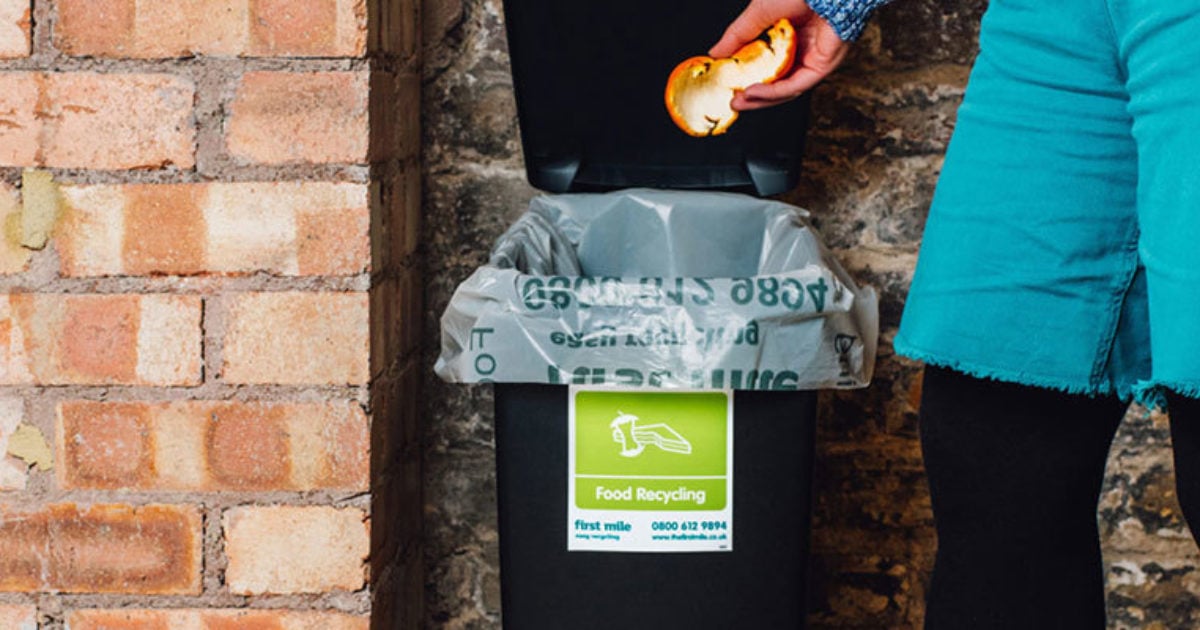
As a business that produces waste, your role in preventing waste crime is critical. The key point I wanted to share with delegates at the event is that your duty of care does not end at the bin, or at the First Mile sack left on the pavement. Choosing a waste collector is not just a commercial purchasing decision. It is an active decision about how responsibly your material is managed.
Under UK law, duty of care is your legal obligation to ensure that all waste produced on your premises is stored safely and handed only to authorised businesses. Handing your waste to a third party does not clear you of responsibility if that material is later dumped illegally.
To protect your business, there are three practical questions you should ask your provider:
-
Where does my waste actually go?
-
Who handles it after you?
-
How can I see the evidence?
If a provider cannot answer these clearly, or relies on vague assurances and unvetted subcontractors, that should raise immediate questions.
Procurement of waste services should keep in mind the commercial realities of offering waste and recycling services. Responsible waste management has real operating costs. Legitimate providers pay for trained staff, low emission vehicles, environmental permits, sorting infrastructure, and genuine recycling routes. Criminal operators gain an advantage by bypassing every single one of those costs. If a collection quote looks dramatically cheaper than all the alternatives, ask why. A low price is not automatic proof of illegal behavior, but an unusually low price without transparent evidence is a serious risk. Your buying power is one of the strongest tools we have to raise standards across the sector.
What operators should be doing
Waste collectors and processors must take equal responsibility. We cannot assume that just because our initial collection is sound, the rest of the chain will manage itself. Responsible operators need to commit to three standards:
-
Know your supply chain and your suppliers. Understand who your partners are, inspect their sites, verify that their environmental authorisations are active and compliant and ensure they adopt the same standards as you.
-
Digitise your waste documentation. Moving away from paper records ensures that clear descriptions and high standards travel with the waste whenever subcontracting occurs.
-
Reconcile the data. Data discrepancies can happen during sorting and transport, but operators must routinely reconcile incoming and outgoing weights to confirm that nothing goes missing along the route.
How we do it at First Mile
At First Mile, we apply these principles across our day to day operations. We are a certified B Corp supporting around 40,000 businesses across the UK, and we developed our own tracking application, Miley, to capture data directly at the point of collection.
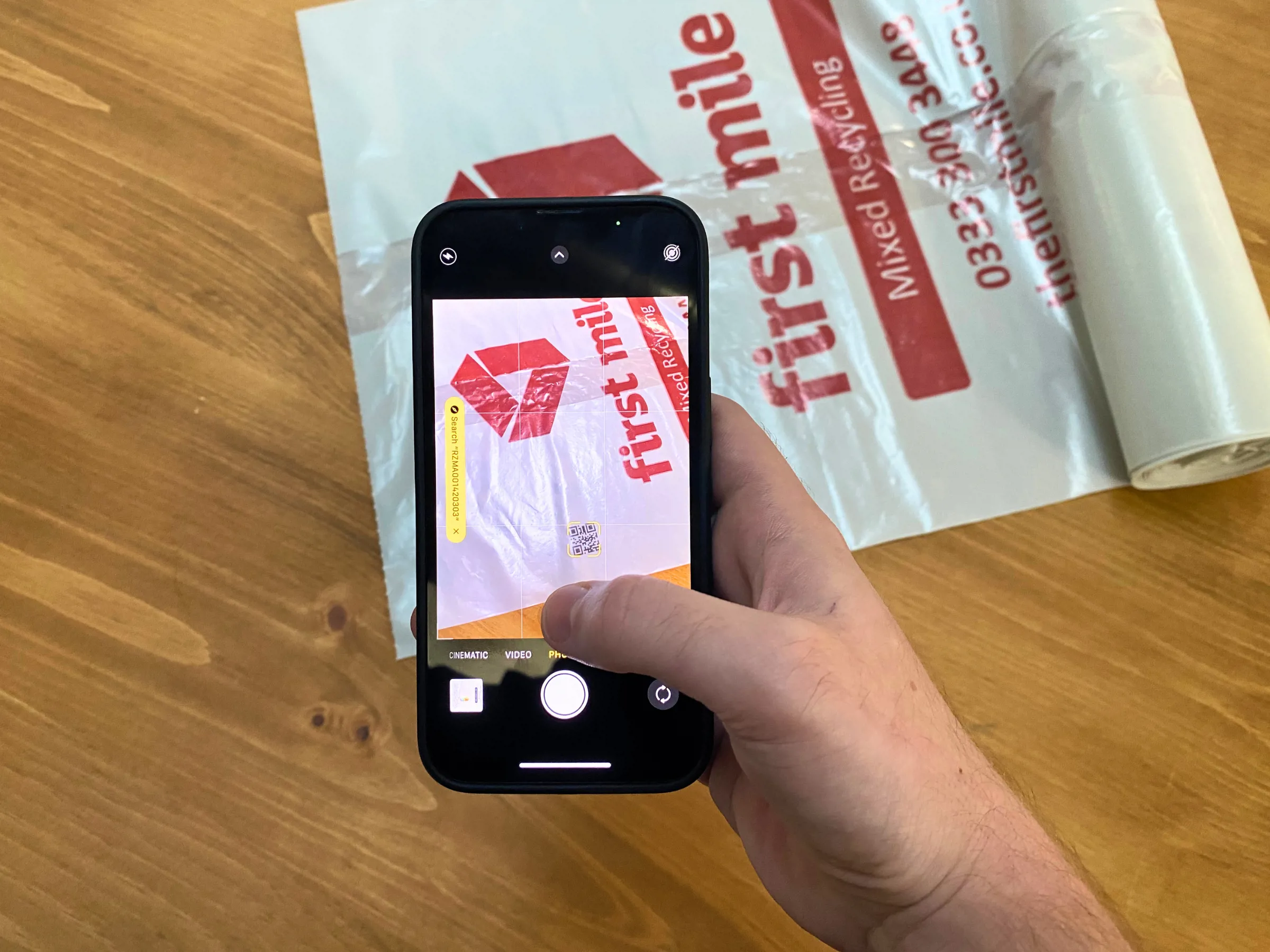
Our collection teams can complete around 400 collections in London each day. As they move along their rounds, Miley logs each bin and sack at the kerbside. That data connects with weighbridge records and flows directly into reporting systems, giving complete visibility over every movement.
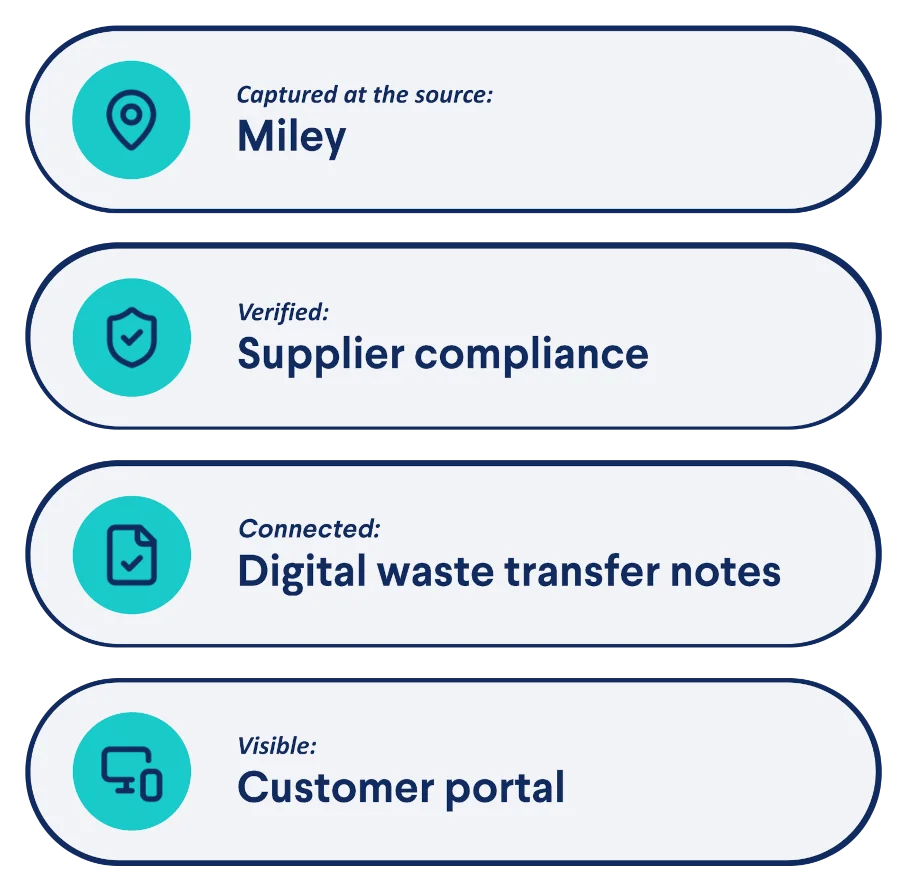
The technology mirrors the traceable waste chain principles:
- 01 Captured at source: Miley records kerbside collections in real time.
- 02 Verified: We audit our downstream partners and keep compliance documentation up to date.
- 03 Connected: Digital waste transfer notes follow the waste through each handover.
- 04 Visible: Customers can log into our online portal at any time to view collection details, tonnages, and recycling destinations.
Digitisation does not eliminate waste crime overnight, but it creates strong evidence, highlights anomalies quickly, and gives customers total peace of mind.
Closing the gap on waste crime and what's next
Closing the gap on waste crime requires coordinated action across the industry. At the conference, my closing asks addressed three distinct groups:
Customers
Demand more from your waste providers. Ask where your materials end up, ask for proof, and make transparency an essential requirement when buying services.
Operators
Take full responsibility for your entire supply chain. Audit your downstream partners, and do not wait for legal deadlines before improving your own tracking.
Regulators
Make use of the data that modern tracking tools produce. We need a supportive, incentive-based regime that encourages transparency and acts to make it harder for criminals to operate and easier for responsible businesses to succeed.
The National Waste Crime Conference was our third speaking event this quarter, building on our work around modern compliance and industry standards. To see how these changes affect your daily operations, read our guide on Implementing Digital Waste Tracking: What It Means for Customers. You can also explore our Digital Waste Tracking page or read our recap of the Waste Leadership Summit 2026.
What is my waste duty of care?
Duty of care is a legal requirement under UK environmental law. It means you are responsible for ensuring that all waste your business produces is stored safely, collected by a licensed carrier, and disposed of or recycled legally.
How do I check if my waste provider is legitimate?
You can look up any waste carrier on the Environment Agency public register on GOV.UK to confirm they hold a valid registration. You should also ask them directly for evidence of the facilities they use.
What are the three questions I should ask my waste provider?
You should ask: where does my waste actually go, who handles it after you, and how can I see the evidence? A reputable provider will provide clear, verified answers for each.
What is a waste transfer note?
A waste transfer note is a legal document that records the handover of waste from one party to another. It states what the waste contains, the quantity, and details about both the producer and the collector.
How long must my business keep waste transfer notes?
By law, businesses in the UK must keep copies of all standard waste transfer notes for at least two years. For hazardous waste consignment notes, the retention period is three years.
What happens if waste from my business is fly tipped?
If waste traced back to your business has been fly tipped, you can be prosecuted and fined even if you paid a third party to remove it. You must be able to prove you met your duty of care by showing valid transfer notes and carrier registrations.
How does First Mile provide proof of collections?
Our drivers log collections at the kerbside using our Miley application. This information is immediately accessible to you through our customer portal, giving you clear records and digital transfer notes whenever you need them.
What is the government doing to stop waste crime?
The UK is in the process of rolling out Digital Waste Tracking (DWT) legislation to replace paper waste transfer notes with digital records to create a full audit trail of waste movement from producers, carriers and receiving sites. Further DWT information can be found on our blog: DWT what comes after phase one, DWT duty of care checklist.
Will digital waste tracking stop waste crime completely?
Technology alone cannot eliminate waste crime, but it makes illegal activity much harder to conceal. Digital systems create clear audit trails, make missing data visible, and provide the evidence regulators need to intervene.